Do Water Heaters Use a Lot of Electricity? A Practical Guide
Explore how much electricity water heaters typically use, compare storage vs tankless options, and learn practical ways to cut energy costs. Insights from Heater Cost Analysis, 2026.


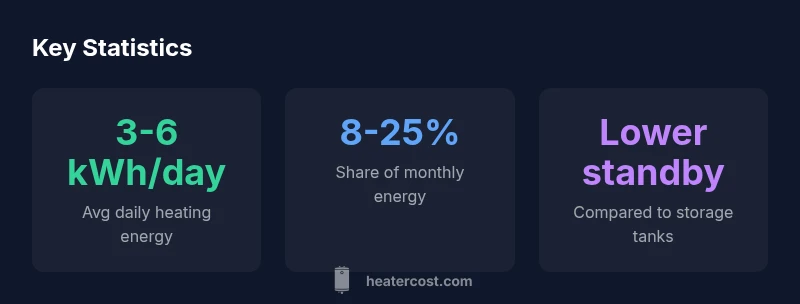
Do water heaters use a lot of electricity? In general, electric water heaters can account for a meaningful share of home energy use, depending on usage patterns and efficiency. Typical daily heating energy ranges from about 2-6 kWh, with standby losses adding a small baseline. For many homes, smarter operation and better efficiency can cut costs substantially.
Do water heaters use a lot of electricity?
The question do water heater use a lot of electricity often comes up in homeowners' energy planning. In practice, electric water heaters can be a meaningful portion of a home's electricity bill, but the total impact varies with integration and behavior. According to Heater Cost, energy use depends on four main drivers: heater type, water consumption patterns, insulation, and how often you heat water. A typical household might see daily heating energy in the 2-6 kWh range, with standby losses adding a smaller baseline when the unit is idle. By understanding usage patterns, homeowners can spot the biggest savings opportunities and avoid overpaying for energy they don’t need.
In this context, the broader takeaway is that electricity demand from a water heater is not monolithic. A family that takes long, hot showers with high water usage will use more energy than a family that showers quickly and conserves hot water. Efficiency improvements and smarter operation—such as setting a modest thermostat, insulating pipes, and repairing leaks—can reduce unnecessary energy consumption. As always, regional electricity prices influence the cost impact, so a 10 percent reduction in kWh can translate into noticeable dollars saved on a monthly bill.
From a policy perspective, some homes benefit from rebates on energy-efficient heaters or upgrades like heat pump technology, which can dramatically lower energy use per gallon of hot water. In climates where energy prices are high, upgrading to a more efficient unit can pay for itself faster. Heater Cost’s analysis emphasizes that the economics of electricity use are highly location-specific, so local pricing and incentives should be part of your decision process.
Electric water heater types and typical energy use ranges
| Water Heater Type | Typical Daily Energy Use | Notes |
|---|---|---|
| Storage Tank Electric | 2-6 kWh/day | Reliable and easy to install; standby losses present |
| Heat Pump Electric | 1-3 kWh/day | Very energy-efficient; higher upfront cost |
| Tankless Electric | 1-2 kWh/day | On-demand heating; effectiveness depends on flow |
Got Questions?
Do electric water heaters use a lot of electricity compared to other appliances?
Electric water heaters can consume a notable share of household energy, especially with high hot-water demand. However, the exact impact depends on the heater type, insulation, and usage patterns. With efficient units and smart habits, you can manage and often reduce the energy footprint.
Electric water heaters can be a sizable energy user, but the exact amount depends on usage and the unit. Efficient models and good habits help cut energy.
How many kWh does a typical electric water heater consume per day?
Typical electric heaters use a few kilowatt-hours per day, with averages commonly cited in the 2-6 kWh/day range depending on demand and efficiency. Standby losses add a smaller, constant amount when not actively heating.
Most electric water heaters use a few kilowatt-hours per day, plus a small standby amount.
Can I reduce electricity usage by switching to a natural gas heater?
Switching to gas can reduce electrical consumption, but it introduces different costs and considerations such as fuel price, venting needs, and installation. Compare total lifetime costs and local incentives before switching.
Gas heaters can reduce electricity use, but consider total costs and installation needs.
What maintenance steps can lower electricity costs?
Regularly drain and flush the tank to remove sediment, insulate pipes, and inspect connections. Upgrading to a well-insulated tank, or a more efficient model, also lowers energy use over time.
Drain and flush the tank, insulate pipes, and consider a more efficient model to save energy.
Is a tankless electric water heater more energy-efficient?
Tankless electric heaters are often more energy-efficient overall due to reduced standby losses, but savings depend on actual hot-water draw. For intermittent use, tankless can be cost-effective; for continuous high demand, storage may be simpler.
Tankless can save standby energy, but savings depend on your hot-water needs.
Does standby heat loss matter for electricity bills?
Standby losses matter when a storage tank sits idle for long periods. Reducing standby—through insulation or choosing a model with lower standby energy—can lower monthly costs.
Standby losses add steady energy use; reducing them helps save money.
“There is no one-size-fits-all answer to energy use for water heaters. The best approach is to match the heater type to your family’s hot-water needs and optimize operation to minimize standby losses.”
The Essentials
- Electric water heaters can be a significant energy user, but usage varies by type and habits
- Storage tanks have higher standby losses than tankless units
- Tankless electric heaters often use less energy overall, especially with efficient operation
- Improving insulation and lowering water use reduces energy demand
- Local electricity pricing and incentives shape the financial impact