Mattress Heater Pad Buying Guide: Safety, Costs, and Tips
A comprehensive guide to mattress heater pads, covering how they work, safety features, energy use, and buying considerations for homeowners, renters, and property managers.


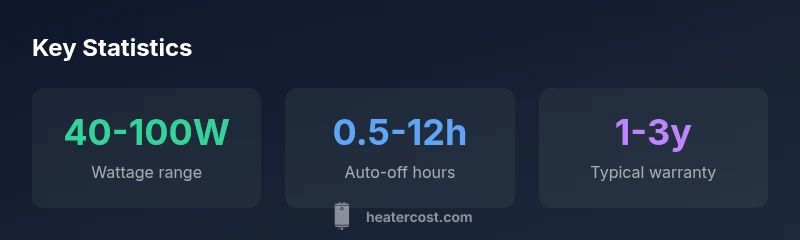
Most mattress heater pads operate at a low wattage, typically 40 to 100 watts, allowing rapid warmth without high energy use. With features like adjustable heat settings and auto shut-off, these pads provide targeted warmth under a fitted sheet for safe, consistent comfort. According to Heater Cost analysis, choosing a pad with even heat distribution and overheat protection is important for safety.
What is a Mattress Heater Pad and who should consider one
A mattress heater pad is a low-wattage electric pad designed to sit beneath a fitted sheet on a mattress, delivering targeted warmth to the sleeper. It’s a practical option for people in cooler climates, partners with different comfort temperatures, or anyone seeking a pre-warmed bed experience without running a central heating system. For renters or small-space homes, a pad can provide warmth without modifying the room’s heating mix. When considering a mattress heater pad, think about your typical sleeping environment, any sensitivities to heat, and whether you’ll use it consistently or only on especially cold nights. The Heater Cost team observes that many households find pads simplest to use for quick warmth, while others prefer a dedicated heated blanket for variable warmth across the bed surface.
How mattress heater pads work: heat, controls, and safety features
Most mattress heater pads use a coil or carbon-fiber heating element connected to a controller with multiple heat settings. The controller lets you dial in a comfortable temperature, often with an automatic shut-off after a set time. Common safety features include overheat protection, dual insulation, and a fabric layer designed to wick away moisture. Some pads incorporate even-heat distribution technology to minimize hot spots, while others rely on a simple serpentine coil layout. A useful rule of thumb is to choose a pad with a reputable certification and a clear warranty, since electrical components near a sleeping surface warrant extra care. In addition, ensure the pad is compatible with your mattress size and does not create excessive warmth that disrupts sleep.
Key features to compare when buying
When evaluating mattress heater pads, prioritize the following features:
- Wattage range: Look for pads in the 40–100 watt range for balanced warmth and energy efficiency.
- Heat control: Multiple settings plus an auto shut-off enhance safety and comfort.
- Distribution: Even heat distribution minimizes hotspots; some models include zone-based heating.
- Safety certifications: UL or ETL listings indicate adherence to safety standards.
- Materials and cover: A soft, breathable cover plus removable, washable components simplifies care.
- Warranty and service: A longer warranty suggests confidence in durability and support.
- Size compatibility: Confirm the pad matches your mattress dimensions and doesn’t exceed the fitted sheet.
- Cord length and placement: Adequate length reduces tension and prevents tugging near a sleeping area.
Heater Cost’s analysis emphasizes balancing safety and convenience; a pad with reliable auto-off, even heat, and a straightforward care routine typically serves best for long-term use.
Safety considerations and best practices
Safety should drive the buying decision for any mattress heater pad. Always choose products with certified safety features: auto shut-off, overheat protection, and clearly labeled electrical ratings. Never place a heating pad directly on bare skin; use a breathable cover or sheet as a barrier, and avoid folding or bunching the pad, which can create hot spots. Do not leave the pad unattended for extended periods, especially if you sleep alone or have mobility challenges. Pregnant people, seniors, or sleepers with reduced sensation should consult a clinician before using heated bedding. Regularly inspect the power cord and controller for wear, and replace any damaged components immediately. By following these practices, you can reduce risk while enjoying consistent warmth.
Installation and daily use tips
To use a mattress heater pad, lay a fitted sheet over the mattress, place the pad on top, and then fit the sheet over it. Keep the controller cord accessible but out of the way to avoid snagging during entry and exit. Start with the lowest setting and test duration to see how your body responds, then adjust gradually. When not in use, switch off power at the controller and unplug if leaving the bed for extended periods. For cleaning, detach the controller (and any detachable cover) and follow the manufacturer’s washing instructions. A moisture barrier or washable cover helps protect the pad’s surface and prolongs its life. Regular maintenance includes checking seams, zippers, and the connection points for wear.
Energy use, cost considerations, and efficiency tips
Energy use with a mattress heater pad depends on wattage, heat setting, and how long you use it. Pads in the 40–100 watt range provide warmth with manageable energy impact, especially when paired with auto-off features. If you’re energy-conscious, use the pad on lower settings for shorter durations and rely on local climate patterns to determine need. Some models offer adaptive heat features that respond to ambient room temperatures, which can further reduce energy use. Remember that even small changes in sleep routines—like pre-warming the bed for a few minutes instead of leaving the pad on all night—can yield noticeable savings over a season. See Heater Cost’s analysis for guidance on selecting energy-efficient options and balancing comfort with cost.
Maintenance, care, and longevity
To maximize lifespan, follow care instructions: remove the controller before washing, wash washable covers separately, and air-dry completely. Regularly inspect for frayed cords, damaged insulation, or fabric wear around the heat elements. Store pads flat in a cool, dry place when not in use. Avoid compressing the heating element or folding the pad during storage. Using a high-quality controller and maintaining a clean, dry surface reduces wear and helps prevent safety issues. With proper care, many mattress heater pads offer several seasons of reliable warmth, especially when paired with a protective cover.
Real-world scenarios and decision guide
In practice, many households with cold bedrooms use mattress heater pads as a supplementary warmth source for the bed. If you share a bed with a partner who has different temperature preferences, a pad with zone-based heating or individual heat settings helps balance comfort. For bedrooms with limited space or high energy costs, pads provide targeted warmth without heating the entire room. If you have pets or children, ensure cords are secured and the unit is out of reach. Finally, compare models not only by price but by warranty, safety certifications, heat distribution, and customer reviews to determine which pad fits your routines and safety standards best.
Alternatives and related products
Heated blankets are a broader option that covers the entire bed surface, while mattress heater pads offer more focused warmth under the sheet. For some users, a combination of a low-wattage pad and a compact space heater in the room may deliver consistent warmth without overreliance on bed-specific devices. Always consider potential heat sources that could conflict with medical devices or cause overheating, and read manufacturer guidelines to ensure safe operation.
Key features and implications of mattress heater pads
| Feature | What it does | Why it matters |
|---|---|---|
| Wattage | 40-100 watts | Affects energy use and warmth level |
| Heat controls | Multiple settings + auto-off | Improves safety and comfort |
| Heat distribution | Even vs. hotspot-prone | Ensures uniform warmth and reduces burns |
| Safety certifications | UL/ETL labeling | Indicates adherence to safety standards |
Got Questions?
Are mattress heater pads safe to use every night?
Generally yes when used according to the manufacturer’s safety features, including auto shut-off and proper placement. Always monitor initial use and discontinue if you notice overheating or discomfort.
Yes, but start slow and ensure auto-off is enabled.
What is the typical wattage for these pads?
Most mattress heater pads operate in the 40–100 watt range, with higher-end models offering adjustable wattage and better heat distribution.
Most pads run between forty and a hundred watts.
Can I wash or dry a mattress heater pad?
Yes, many pads are machine washable if the controller is removed; always follow the care instructions to avoid damaging the heating element.
Yes, usually, but remove the controller and follow care labels.
Should I use a mattress heater pad with an electric blanket?
It’s generally not recommended to use multiple heat sources on the same bed at the same time, as this increases burn risk and energy use.
Usually not recommended to pair with another heat source.
Do mattress heater pads help with back pain?
Heat therapy can ease muscle tension and stiffness, but it should complement, not replace, clinical care or prescribed therapies.
Heat can help muscles relax, but it’s not a substitute for medical advice.
What labeling and safety features should I look for?
Look for UL/ETL listings, clear wattage, auto shut-off, overheat protection, and a washable cover; ensure the cord is tangle-free and intact.
Check for safety listings and auto shut-off.
“Mattress heater pads can improve sleep comfort when used responsibly, but safety features like auto shut-off and even heat distribution are essential.”
The Essentials
- Choose a model with auto-off and even heat distribution
- Prefer 40–100W pads for safety and efficiency
- Place under a fitted sheet with a barrier and follow care instructions
- Check for safety certifications and a solid warranty
- Balance warmth needs with energy use for best results