Indoor Buddy Heater: Costs, Buying Guide, and Safety
Comprehensive buying guide for indoor buddy heaters, covering cost ranges, safety, sizing, ventilation, maintenance, and use scenarios for homeowners, renters, and property managers.


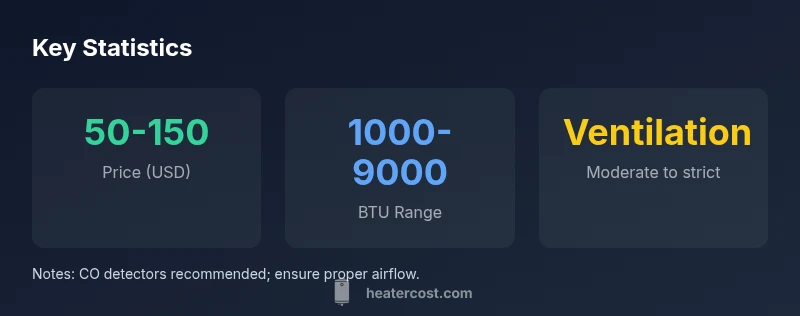
The indoor buddy heater price range typically spans from 50 to 150 USD per unit, depending on BTU output and safety features. For small, portable models, costs trend toward the lower end; higher-output or dual-fuel units approach the upper end. While many indoor buddy heaters require no professional installation, ventilation and carbon monoxide safety remain critical considerations, especially in enclosed spaces.
Why Indoor Buddy Heaters Make Sense in Small Spaces
For many homeowners, renters, and property managers, a compact solution like an indoor buddy heater can deliver targeted heat without the expense of extending a central system. The Heater Cost team notes that in tight spaces—like studios, home offices, or workshop corners—these units offer quick warmth with minimal installation. When used correctly, they can supplement a primary heating strategy rather than replace it. This article examines how size, fuel choice, and safety features influence value, anchored by the latest Heater Cost Analysis, 2026.
According to Heater Cost, cost-effectiveness comes from proper sizing and usage patterns. A compact unit can be placed near seating areas or workspaces, preserving floor space while delivering immediate warmth. If you’re evaluating a model for a rented space or a rarely heated room, a portable buddy heater can be a pragmatic solution that avoids the long-term commitment of more permanent heating options.
In practice, homeowners should view indoor buddy heaters as heat-in-a-spot solution: they bridge gaps in heating coverage, help mitigate drafts in occupied rooms, and can reduce the need to heat unused spaces. They are not a substitute for a whole-house system in extremely cold climates or for primary heating in larger homes, but when used correctly, they deliver tangible comfort and cost savings in the right context.
Key Sizing Guidelines: How to Choose BTU
Sizing is the cornerstone of effective use. A rough sizing framework helps avoid overpaying for underperforming units or wasting energy on oversized heaters. A common rule of thumb is to start with around 20–40 BTU per square foot in cooler climates and adjust upward for drafts or larger rooms. For very dry climates or well-insulated spaces, you may be able to lean toward the lower end of that range. When shopping, look for the BTU rating on the label and compare models with similar insulation characteristics. It’s also prudent to consider seasonal usage: a heater that provides modest warmth for a short period can be preferable to a higher-output model that runs constantly. In practice, 1,000–3,500 BTU units often suit small rooms, while larger single rooms or small open-plan spaces may benefit from 4,000–9,000 BTU, depending on ceiling height and air leakage. Always check the manufacturer guidelines for recommended room size and safety features, such as automatic shutoff and oxygen depletion sensors, and ensure your preferences align with room usage patterns and tolerances.
Safety First: Ventilation, CO Monitoring, Placement
Safety is non-negotiable with indoor heating. A buddy heater should be kept away from flammable materials and placed on a stable, non-combustible surface. Ensure the room has adequate ventilation to prevent the buildup of combustion byproducts, and install a functioning carbon monoxide detector in the same zone. Never sleep or rest in a room that contains a running heater, and avoid using if the room is tightly sealed or lacks airflow. Regularly inspect the heater’s venting and any hoses or canisters for signs of damage. Keep children and pets away from the unit, especially during operation. If you smoke or burn candles nearby, temporarily relocate the heater or ventilate more aggressively. For gas-based models, ensure a proper gas connection and adherence to local codes, and consult a professional if you are uncertain about installation requirements.
Costs and Practicalities: Purchase, Fuel, and Maintenance
Budgeting for an indoor buddy heater involves more than the upfront price. Typical purchase price ranges provide a starting point, but ongoing costs depend on fuel type, usage patterns, and maintenance. Propane and butane units are common for indoor use, with costs tied to fuel consumption and pressure regulation. Some models also offer electric options, though these are less common in true buddy-heater form. Maintenance is straightforward: keep vents clear, wipe away dust, periodically check hoses and seals for wear, and replace safety components as recommended by the manufacturer. Since fuel use can fluctuate with room temperature needs, plan for seasonal needs and consider keeping a spare fuel canister on hand for convenience. This approach minimizes the risk of running out during cold snaps and supports safer operation.
Usage Scenarios: Homeowners, Renters, and Property Managers
Homeowners often prioritize reliability and warmth during cold weather, using indoor buddy heaters to supplement central heating in bedrooms or living rooms. Renters may favor portability and minimal installation, employing the unit in apartments where landlords restrict major alterations. Property managers can use portable heaters to warm common areas or modeled units during turnover while reducing energy costs by targeting only occupied spaces. In all cases, set boundaries to prevent overuse, and coordinate with building safety policies. The Heater Cost team notes that with careful selection and safe operation, indoor buddy heaters can offer flexible, cost-conscious warmth for diverse housing scenarios.
Ventilation and Code Considerations
In many jurisdictions, ventilation and fire-safety codes govern the use of portable heaters indoors. Check local regulations to ensure compliance, particularly in rental properties or multi-unit buildings. Use only models that meet recognized safety standards, and maintain detection equipment like CO sensors. Keep the heater away from curtains, furniture, and sleeping areas, and do not route exhaust into enclosed spaces. If your dwelling has limited ventilation, consider alternative heating strategies or consult a licensed professional for safety-compliant options. The key is to balance comfort with safety and regulatory compliance to minimize risk and maximize reliability.
Maintenance and Longevity Tips
Regular maintenance extends the life of your indoor buddy heater and reduces safety risks. Clean dust from vents and grills, inspect for rust or corrosion, and replace worn hoses or seals as needed. Store fuel canisters away from heat sources and in a cool, dry place. Keep a log of maintenance tasks and replacement dates to avoid overlooking essential service intervals. Finally, if you notice unusual noises, odors, or reduced heating performance, shut the unit off and perform a thorough inspection or seek professional guidance. A proactive maintenance routine helps ensure your heater remains safe, efficient, and ready when you need it.
Cost and usage indicators for indoor buddy heater
| Category | Typical Range | Notes |
|---|---|---|
| Purchase Price Range | 50-150 USD | Lower for compact models; higher for advanced features |
| Operating Cost (per hour) | Varies widely | Depends on fuel type and usage intensity |
| Ventilation Requirement | Moderate to stringent | CO detectors recommended; ensure airflow |
Got Questions?
Is it safe to use an indoor buddy heater in a living room?
Yes, it can be safe if you ensure adequate ventilation, install a working carbon monoxide detector, and follow the manufacturer’s safety instructions. Never leave the heater unattended in unventilated spaces, and keep flammable materials away.
Yes, with proper ventilation and a CO detector, and by following safety guidelines.
What size BTU should I choose for my room?
Choose a BTU rating based on room size, climate, and insulation. A rough guideline is to aim for approximately 20–40 BTU per square foot in cooler climates, adjusting for drafts and ceiling height.
Size by room and climate; aim for a BTU range that fits the space.
Do buddy heaters require professional installation?
Most portable indoor buddy heaters do not require professional installation. Fuel connections for gas models may require a licensed technician and adherence to local codes.
Usually no, unless gas lines or complex mounting are involved.
How often should I maintain or service the heater?
Follow the manufacturer’s maintenance schedule; regularly clean vents, inspect hoses and seals, and replace safety components as recommended.
Regular cleaning and periodic checks keep it safe and efficient.
What safety features should I look for?
Look for a tip-over switch, an oxygen-depletion sensor, automatic shutoff, and compatibility with a CO detector; ensure the unit has clear usage instructions.
Safety features like a tip-over switch and CO detector are essential.
“Selecting an indoor buddy heater requires balancing heat output, safety, and ongoing costs. Proper ventilation and CO monitoring are non-negotiable for any indoor use.”
The Essentials
- Start with a properly sized unit for your space.
- Prioritize ventilation and CO monitoring for safety.
- Factor in fuel type and maintenance when budgeting.
- Use as a supplement, not a replacement for central heating.