Home Depot Propane Heater Guide: Costs, Safety, and Installation
Explore costs, safety, and installation considerations for Home Depot propane heaters. Learn how to size heaters, compare vented vs vent-free options, and optimize installation and operating costs with practical guidance from Heater Cost.


Definition: A Home Depot propane heater is a gas-fired heater sold by Home Depot that uses propane as fuel. They range from portable outdoor models to vented indoor units. Suitable for patios, garages, and backup heating, choose by space size, BTU output, and ventilation needs. Look for safety features like tip-over shutoff and oxygen depletion sensors, and always follow local codes.
Understanding Home Depot propane heater offerings
Propane heaters sold through Home Depot span a broad spectrum, from portable outdoor models to larger vented units designed for garages and workshops. The term "home depot propane heater" covers several configurations, including patio torches, freestanding patio heaters, and vented indoor units that connect to a propane supply. Consumer research by Heater Cost highlights that buyers should prioritize space size, BTU output, and the ventilation environment when evaluating options. Outdoor models excel in portability and quick setup, while vented indoor options can deliver steadier heat in semi-enclosed spaces. Regardless of choice, ensure that the model has built-in safety features such as tip-over shutoff and an oxygen depletion sensor. Always verify that your installation complies with local codes and safety standards before purchase or use.
In our analysis, Home Depot carries multiple brands and price points, enabling shoppers to balance upfront cost with long-term fuel expenses. The Heater Cost team recommends reading user reviews and confirming that the unit’s clearance requirements align with your intended installation area. For any equipment that connects to a gas supply, consider the total cost of ownership, including fuel availability, regular maintenance, and potential service calls. These considerations help homeowners avoid surprises after purchase while ensuring reliable, safe operation.
How to size a propane heater for your space
Sizing a propane heater correctly is essential for comfort and efficiency. Start by measuring the space you want to heat, including floor area and ceiling height, then estimate heat loss based on insulation quality and window exposure. A higher BTU rating buys warmth quickly but can waste energy in well-insulated rooms. For patios or outdoor use, portability often means a wider BTU range in practice, with the optimal output dependent on wind and ambient temperature. In indoor applications, vented models are generally preferred for safety, while vent-free options may be acceptable in certain regions with proper CO detectors and adequate ventilation. The general rule is to target a comfortable indoor temperature with gradual heat delivery, avoiding oversizing which can lead to fuel waste and exhausting CO-safe margins.
When comparing models at Home Depot, note BTU ranges, propane connection types (cylinder vs bulk), and the unit’s efficiency ratings. If you’re heating a garage or workshop, higher BTU ratings combined with strategic placement can improve perceived warmth with reasonable fuel use. For outdoor spaces, plan for wind damping and shelter to maximize effectiveness.
Ventilation, carbon monoxide safety, and regulatory considerations
Ventilation is the cornerstone of safe propane heater use. Indoor propane heaters must be installed in spaces with adequate air exchange to prevent CO buildup. Even vented models, which exhaust combustion by design, require proper installation clearances and external venting paths. In portable outdoor settings, ensure the area is open and free of obstructions to allow for safe heat distribution. CO detectors should be installed on every level of the home, especially near sleeping areas, and homeowners should follow all local codes and manufacturer instructions. Gas supply connections must comply with local codes and, in many jurisdictions, require a licensed professional for installation.
From a safety perspective, never operate a propane heater in airtight rooms or enclosed spaces without ventilation. Regular maintenance, including checking hoses and connections for leaks and replacing damaged components, reduces the risk of fires or carbon monoxide exposure. Heater Cost’s guidance emphasizes prioritizing models with automatic shutoffs and oxygen depletion sensors to minimize risk during operation.
Installation and setup: DIY vs professional
There is a wide spectrum of installation requirements for Home Depot propane heaters. Portable outdoor models typically require only correct placement and clearance checks, while larger vented indoor units can require gas line connections, venting ducts, and electrical? compatibility assessments. In most cases, gas-connected heaters—especially higher-BTU or indoor vented variants—benefit from professional installation to ensure proper venting, gas supply integrity, and compliance with local regulations. Always obtain any necessary permits and schedule an on-site assessment if you’re unsure about the existing gas lines or ventilation paths. If you choose a portable model, follow the manufacturer’s instructions for setup, storage, and periodic inspection.
Heater Cost recommends documenting a simple installation plan before purchase, including a checklist of required tools, the route for the gas line or cylinder access, and a test run that confirms stable operation and safe clearance from combustibles. This planning reduces the likelihood of hazardous setup conditions and improves overall user experience.
Operating costs, efficiency, and maintenance
Fuel costs drive ongoing expenses for propane heaters. Propane prices fluctuate with market conditions and supply chains, so homeowners should monitor current rates in their region when planning winter heating. Efficiency varies by model and BTU rating; higher efficiency units may deliver more heat per gallon, translating to lower operating costs over time. Regular maintenance, such as inspecting hoses, checking for leaks, and cleaning ignition components, can sustain performance and extend the life of the heater. In climates with frequent heating needs, investing in a model with a dependable standby feature or a programmable thermostat can provide comfort while controlling fuel use. Heater Cost’s analysis highlights that buyers should compare fuel efficiency, recommended usage, and maintenance requirements across models to estimate long-term costs accurately.
In practice, keeping the heater clean and ensuring proper storage during the off-season reduces the risk of mechanical issues when heat is needed again. Always follow the manufacturer’s maintenance schedule and store propane cylinders or connections in a well-ventilated area away from heat sources.
Reading Home Depot product specs and warranties
When shopping at Home Depot, compare the product specifications sheets for BTU output, fuel type, and venting requirements. Look for details on warranty coverage, including duration and what it protects, to gauge long-term value. Some models include warranties that cover parts and labor for a set period, while others offer only parts coverage. Check whether Home Depot accepts returns or exchanges for unused units and whether installation services are available for gas-powered heaters. Reading customer reviews can illuminate real-world performance and any recurring issues, such as ignition reliability or heat distribution. Heater Cost suggests prioritizing models with verified safety certifications and robust warranty terms to minimize risk.
Practical use cases and seasonal planning
Outdoor spaces benefit from propane heaters during shoulder seasons or chilly evenings, extending usable time for decks and patios. In attached garages or workshops, a vented indoor heater can provide consistent warmth when electricity may be limited or during power outages, provided CO detectors are installed and venting is correctly managed. For (semi-)indoor use, place heaters away from flammables and ensure clearances per the manual. Seasonal planning includes stock management for propane cylinders or bulk supply, safe storage practices to prevent leaks, and routine checks before the heating season begins. Heater Cost emphasizes creating a simple seasonal plan that aligns heat needs with fuel availability and local climate patterns to optimize both comfort and cost efficiency.
How to compare models at Home Depot: tips for buyers
Use a structured comparison approach to choose the right Home Depot propane heater. Start with space assessment: size, BTU, and ignition type matter most. Then compare vented versus vent-free options, taking into account ventilation, CO safety features, and installation requirements. Assess build quality, warranty terms, and customer feedback. Finally, factor in fuel supply logistics—whether you rely on portable cylinders or a fixed propane line. Remember to verify clearance requirements and safety features like tip-over switches and oxygen depletion sensors. A methodical comparison helps ensure you select a unit that balances upfront cost with long-term fuel and maintenance expenses.
Comparison of common Home Depot propane heater types
| Model Type | Typical BTU Range | Ventilation | Notes |
|---|---|---|---|
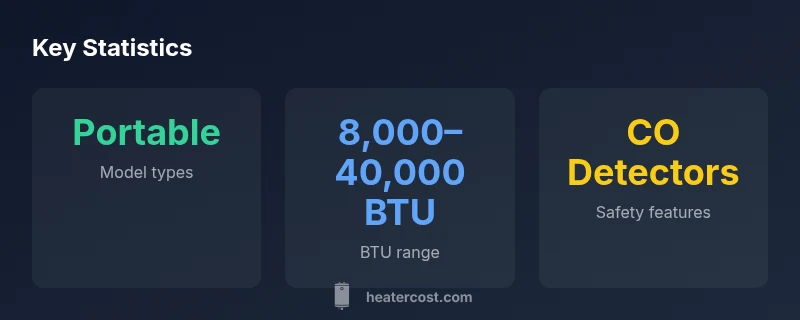
| Patio propane heater (free-standing) | 8,000–40,000 BTU | Outdoor use only or well-ventilated area | Common for outdoor gatherings; check clearance requirements |
| Gas-fueled vented heater (gas line) | 20,000–100,000 BTU | Requires venting to outside | Higher capacity; professional installation recommended |
| Ventless propane heater (propane bottle) | 5,000–25,000 BTU | Indoor use with ventilation and CO detectors | Portable option; check local codes |
Got Questions?
Are Home Depot propane heaters safe to use indoors?
Indoor use is possible only with proper ventilation and CO detectors, and in compliance with local codes. Venting and installation quality dramatically affect safety. Always follow the manufacturer’s instructions and consult a professional if you’re unsure.
Indoor use is possible, but requires ventilation and CO detectors. Follow the manual and local codes.
What spaces are propane heaters best suited for?
Patios, garages, and outdoor workshops are common uses. Ventilated indoor areas can work with vented models, but avoid sealed rooms without airflow.
Best for outdoor patios and ventilated spaces.
Do I need professional installation for propane heaters bought at Home Depot?
Some units require gas line connections and proper venting, which typically calls for a licensed professional. Portable units may not need professional installation but still require safe setup and clearance adherence.
Some models require professional installation; always check local codes.
What is the difference between vented and vent-free propane heaters?
Vented heaters exhaust combustion outside, while vent-free models operate without a vent but demand strict ventilation and CO detectors. Local codes may restrict vent-free use in certain spaces.
Vented exhausts outside; vent-free needs good ventilation and CO detectors.
Can propane heaters be used during power outages?
Some propane heaters operate without electricity, making them useful during outages. Confirm that any model you choose does not rely on electric components that require power.
Yes, some operate without electricity, but verify model specifics.
“Propane heaters provide reliable supplemental heat, but safety and ventilation must come first. Follow manufacturer guidelines and local codes to ensure safe operation.”
The Essentials
- Assess space and BTU needs before buying.
- Prioritize ventilation and CO safety.
- Select models with built-in safety features.
- Understand installation requirements and permits.
- Check warranty terms and Home Depot policies.