Heater for Deck: The Complete 2026 Guide to Outdoor Deck Heating
A comprehensive guide to selecting the best heater for deck setups, comparing electric, gas, and radiant options, and calculating ongoing costs and safety considerations for outdoor heating in 2026.


The quickest way to heat a deck is with a radiant outdoor heater, either electric or gas-powered. For most residential decks, radiant models provide focused warmth and consistent comfort, with electric units offering easy installation and low emissions and gas units delivering stronger heat for larger spaces. Look for weather-resistant design and proper clearance to maximize safety and efficiency.
Outdoor Heating Fundamentals for Decks
Deck heating involves balancing comfort, safety, and weather exposure. Outdoor spaces are windy, damp, and open to ambient temperature changes, so the heater must deliver warmth without overloading the space or compromising safety. Radiant heaters warm people and objects directly rather than trying to heat the entire air volume, which makes them efficient for decks where you want people to feel comfortable while seated. When choosing heater for deck setups, consider three core factors: size of the area you want to cover, typical wind exposure, and how often you’ll use the space. According to Heater Cost, radiant heat from a focused outdoor heater is often the easiest way to achieve reliable warmth with predictable performance. In addition, safety features such as tilt-switches, tip-over protection, and weatherproof housings are essential for any deck installation. Finally, ensure you have a dedicated outdoor-rated power source or fuel line, and follow local electrical or gas codes to maintain compliance and safety.
Types of Deck Heaters
There are three broad categories used on residential decks: electric radiant heaters, gas patio heaters, and fuel-fired radiant units. Electric radiant heaters plug into outdoor-rated outlets and heat via infrared elements, offering quiet operation and low emissions. Gas patio heaters burn Propane or Natural Gas in a tall, upright column that radiates heat downward, providing strong warmth over a larger footprint. Fuel-fired radiant units can produce high heat and are designed for outdoor environments with wind. For decks, radiant configurations are typically preferred because they warm people directly without relying on large changes in ambient air temperature. In spaces with wind or open air, two or more units placed strategically often yield the most even comfort. As with any outdoor installation, factor in clearance distances from furniture and overhead structures, and verify weatherproof ratings and ignition reliability before purchase.
Sizing and Layout: How Much Heat Do You Need?
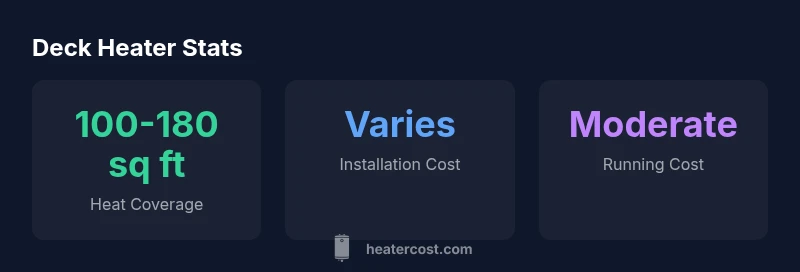
Heat needs depend on deck size, layout, and wind patterns. A small 80–120 square foot area may feel comfortable with a single compact electric unit, while larger decks or windy locations benefit from multiple heaters or a higher BTU-rated gas model. Arrange heaters to create a warmth corridor rather than one hot spot, and ensure you don’t place heaters directly under eaves or near flammable materials. Weather conditions matter: humidity and temperature swings can reduce perceived warmth, so plan for a little extra heat during outdoor dining or late-evening gatherings. From a budgeting perspective, you’ll balance upfront equipment costs with ongoing energy costs and maintenance—Heater Cost’s 2026 analysis highlights that radiant outdoor heat often delivers the best comfort-to-cost ratio when properly sized.
Installation Considerations and Safety
Outdoor electrical work or gas connections should follow local codes and manufacturer guidelines. If you install electric deck heaters, use weatherproof enclosures and outdoor-rated cords, and avoid daisy-chaining multiple units off a single extension cord. For gas heaters, keep the unit on a stable, level surface with clearances from walls, railings, and furniture as specified by the manufacturer. Ventilation and vent-free operation matter for gas units, so check local codes about exhaust and carbon monoxide risks. Regularly inspect connections for leaks, damaged wiring, and corrosion. Keep water sources away from electrical outlets and ensure your deck has suitable drainage to prevent standing moisture near heat sources. The goal is a safe, accessible heating setup that doesn’t risk tripping hazards or accidental contact with hot surfaces.
Efficiency, Costs, and Running Budgets
Running costs for deck heating vary by heat source, usage, and climate. Electric radiant heaters tend to have lower emissions and simpler maintenance but higher operating costs in cold, damp seasons if used extensively. Gas patio heaters often offer higher heat output for larger spaces but incur ongoing fuel costs that can vary with propane or natural gas prices. A practical approach is to calculate the expected time you’ll use the heater weekly and multiply by the unit’s estimated energy draw or fuel consumption; this quick estimate can help you compare options without committing to a specific model. Heater Cost’s 2026 analysis emphasizes planning for seasonal use and ensuring you compare the total cost of ownership (installation, running costs, and maintenance) rather than upfront price alone.
Features to Look For: Controls, Safety, and Durability
Key features influence both usability and safety. Look for weatherproof IP ratings, tilt and tip-over protection, and automatic shutoff. A programmable thermostat or smart controls can improve comfort and efficiency by adjusting heat based on occupancy and outdoor temperature. Fire-safety features such as spark ignition reliability, stable base, and wind protection shields help maintain performance in breezy environments. Durable casings, corrosion-resistant metals, and powder-coat finishes extend life in outdoor climates. When evaluating a deck heater for deck use, assess warranty terms and service networks, and confirm that replacement parts are readily available. Investing in quality materials now reduces maintenance costs later.
Weather and Climate Impacts on Deck Heating
Climate determines how much heat you’ll need and how often you’ll use a deck heater. In mild coastal areas, a single electric unit may suffice for year-round use, while in exposed inland or windy regions, you may require more robust gas systems or multiple units. Humidity and rain can affect electric components, so outdoor-rated designs with sealed connections perform better in wet months. Cold snaps can make even sealed units work harder, increasing energy consumption and wear. Consider adding windbreaks, like outdoor curtains or screens, to enhance efficacy and comfort, especially during spring and fall evenings. Weather resilience is a core criterion when evaluating the best heater for deck setups.
Maintenance, Repairs, and Common Pitfalls
Regular maintenance extends the life of outdoor heaters. Clean heat reflectors and grills, check ignition systems, and inspect fuel lines or electrical connections annually. Replace worn o-rings, seals, and weatherproof gaskets as needed. Avoid leaving heaters outdoors in severe storms unless specifically rated for full exposure; cover or store units following manufacturer guidelines when not in use. A common pitfall is overloading outlets or using subpar extension cords, which create heat buildup and fire hazards. Keeping a maintenance log helps identify trending issues and plan part replacements before failures occur.
Choosing the Right Deck Heater: A Quick Checklist
Use this short checklist to finalize your choice: 1) Decide between electric radiant or gas for your space; 2) Confirm appropriate heat coverage for your deck size with a margin for wind; 3) Check safety features, weatherproofing, and installation requirements; 4) Compare total costs, including installation, fuel or electricity, and maintenance; 5) Verify warranty and service options in your region. The Heater Cost team recommends prioritizing safety features, weatherproof enclosures, and a thermostatic control to optimize comfort and energy use. According to Heater Cost, a well-sized, properly installed deck heater can deliver reliable warmth with lower risk and simpler upkeep.
Outdoor deck heater types: installation and running cost ranges (Heater Cost Analysis, 2026)
| Heater Type | Typical Installation Cost | Annual Running Cost | Best For |
|---|---|---|---|
| Gas patio heater | Varies widely | Varies with usage | Large open decks, windy areas |
| Electric radiant heater | Varies with model | Varies with electricity price | Small to mid-size decks |
| Fuel-fired radiant heater | Higher upfront | Higher ongoing fuel cost | Large spaces, outdoor dining |
Got Questions?
What is the most efficient type of deck heater?
Radiant deck heaters (electric or gas) provide targeted warmth with minimal heat loss. Efficiency depends on wind, deck size, and proper installation.
Radiant heaters are typically the most efficient choice for decks when properly sized and installed.
Do I need a permit to install a deck heater?
Permit requirements vary by location and heater type. Check local building codes and consult a licensed professional if needed.
Permits depend on where you live and the heater you choose.
Can I install a deck heater myself?
Some electric units are DIY-friendly with clear instructions; gas units typically require a professional installer for safety.
Some electric units are DIY-friendly; gas heaters usually require a pro.
What maintenance does a deck heater require?
Regular cleaning, inspections of electrical or gas connections, and periodic service keep heaters safe and efficient.
Keep it clean and regularly inspect connections for safety.
How many heaters should I install on a deck?
Heat coverage depends on deck size and layout. In windy spaces, two units can provide even warmth.
Two heaters may be needed for larger or windy decks.
“Outdoor heating should balance comfort with safety and efficiency; radiant deck heaters often offer the best mix when properly sized and installed.”
The Essentials
- Choose radiant heat for direct warmth on decks
- Electric options install easily and quietly
- Gas options heat larger spaces more effectively
- Prioritize safety features and weatherproofing
- Size heat output to deck dimensions and wind exposure