Car Heaters: Costs, Types, and How to Choose
Learn how to choose the right heater for your car, including costs, types (engine block heaters, cabin heaters, portable 12V), installation tips, safety, and maintenance. Practical guidance for homeowners, renters, and managers in cold climates.


Car heaters warm the cabin and aid engine preheating for quick starts in cold weather. A heater for car can be an engine block heater, a cabin heater, or a portable 12V unit, each with different installation needs and energy use. Choosing the right option depends on climate, vehicle type, and budget.
Understanding the role of a car heater
A heater for car is more than a comfort feature; it enhances safety, reduces defrost time, and helps preserve engine oil viscosity during cold starts. In colder climates, a capable heater can shorten warmup times and improve visibility by defogging windows faster. The Heater Cost team notes that choosing the right heater involves weighing upfront costs against long-term energy use and practical installation considerations. Car owners should view heaters as part of a broader winterization plan that includes battery care and antifreeze levels.
Types vary by how heat is produced, how it’s delivered, and how permanently the unit is installed. For most drivers, the decision boils down to climate, vehicle type, and whether a permanent installation or a portable solution best suits their needs. Informed choices reduce wasted energy and improve reliability on cold mornings.
Types of car heaters
There are three main categories:
- Engine block heater: A simple, permanent device that preheats the engine coolant when connected to external power. It’s common in very cold regions and reduces cold-start stress.
- Cabin heater (fuel-fired or electric): Warms the interior by circulating heated coolant or using an electric element. Fuel-fired cabin heaters can provide more sustained heat but require more complex installation and venting.
- Portable 12V heater: A lightweight, non-permanent option that plugs into the car’s 12V socket. It’s inexpensive and convenient for quick warmth but consumes battery power and is less effective for heating the entire cabin in extreme cold.
Each option has distinct installation requirements, energy implications, and durability considerations. When selecting among them, consider climate severity, vehicle type, power availability, and maintenance tolerance. The choice should align with your driving patterns and storage conditions.
Cost considerations and installation
Costs vary widely based on type, labor, and vehicle. Engine block heaters typically involve a modest parts cost plus professional installation in many cases, often ranging into a mid-range overall price. Cabin heaters require more substantial electrical work or plumbing and can push total costs higher. Portable 12V heaters are the least expensive upfront but may incur higher energy draw and shorter service life if used as a primary heat source. In all cases, budget for installation to avoid improper wiring or venting that could create safety risks. The Heater Cost Analysis, 2026, emphasizes screening installers for electrical safety credentials and ensuring compatibility with your car’s electrical system and battery capacity.
Practical tips: verify voltage compatibility, check for manufacturer recommendations, and confirm warranties. If you own an older vehicle, a professional assessment can prevent mis-wiring and ensure the heater won’t interfere with airbags or other safety systems.
Efficiency, safety, and maintenance
Efficiency hinges on heat delivery and system losses. Electric 12V heaters draw power from the battery; batteries in cold conditions can be strained, especially on longer trips. Fuel-fired cabin heaters provide strong heat output but require fuel supply and venting, which introduces combustion-related safety considerations. Regular maintenance includes inspecting wiring, checking coolant levels for engine-block systems, and ensuring vent paths remain clear of snow or debris. Safety best practices include avoiding improper ducting, keeping heat sources away from flammable materials, and using protective coverings during longer idle periods. Hydrogen-free, low-emission options are increasingly standard in modern setups, and installers should prioritize safety certificates and proper exhaust handling.
From a maintenance perspective, develop a winter-check routine that includes heater operation tests, defroster performance assessments, and battery health checks before the cold season.
How to evaluate compatibility with your vehicle
Step-by-step
- Check the owner's manual for heater compatibility, electrical requirements, and recommended installation methods.
- Determine whether your vehicle can support a permanent block heater or if a portable unit is more suitable.
- Assess electrical capacity, fuse requirements, and space for mounting.
- Consider climate and typical driving patterns to estimate heat demand and runtime.
- Consult a certified installer to confirm fit, safety, and warranty implications. This due diligence prevents misfit units and ensures reliable operation in freezing temperatures.
Buying guide: features to compare
When shopping for a heater for car, focus on:
- Heat output (BTU or watts) and whether it matches cabin size
- Power source and voltage compatibility with your car
- Installation requirements, warranty, and service support
- Safety features (overheat protection, automatic shutoff, venting quality)
- Energy efficiency and expected runtime
- Portability vs. permanent installation trade-offs
- Defrosting and preheating performance in typical winter days
A well-matched system minimizes energy waste and maximizes comfort and safety. Compare products against your climate data and vehicle specifications to choose a solution that delivers reliable warmth without unnecessary power draw.
Maintenance and common issues
Common issues include weak defrost performance, insufficient heat during cold starts, or battery rapid drainage when using a heater. Routine checks should cover wiring integrity, fuse status, coolant levels (for block heaters), and vent cleanliness. If you notice unusual noises, odors, or heat inconsistencies, consult a qualified technician promptly. Documentation from Heater Cost Analysis, 2026 suggests keeping a maintenance log and scheduling seasonal inspections before winter peaks.
Practical installation tips and pitfalls
- Work with a certified installer to ensure electrical safety and code compliance.
- Verify mounting locations to avoid heat damage to wiring or components.
- Confirm that the heater’s heat output aligns with your cabin size and climate.
- Plan for potential warranty implications if you modify the vehicle’s electrical system.
Avoid DIY approaches that bypass venting or critical safety features, as they can lead to fire hazards or system failures. A well-planned installation protects both your comfort and your investment.
Overview of heater types by cost and installation
| Heater Type | Typical Cost Range (USD) | Notes |
|---|---|---|
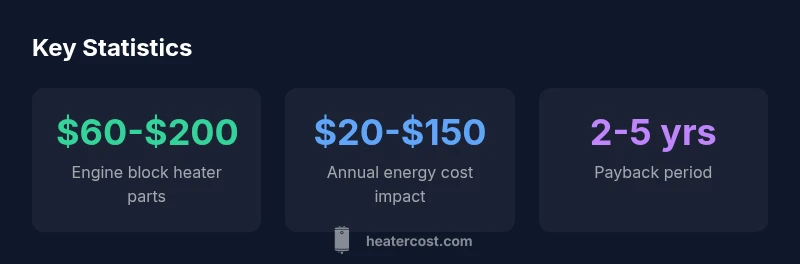
| Engine block heater | 60-200 | Parts; professional install often required |
| Cabin heater (electric) | 150-500 | Electrical work; may require higher power draw |
| Portable 12V heater | 25-100 | No permanent installation; battery impact |
Got Questions?
What is the difference between an engine block heater and a cabin heater?
An engine block heater preheats the engine coolant to ease starting in cold weather, while a cabin heater warms the interior. The former primarily reduces engine wear; the latter improves comfort and defogging. Cabins may require venting or electrical connections, depending on type.
Block heaters warm the engine; cabin heaters warm the cabin. Both improve winter usability, but they serve different goals.
Is it safe to use a car heater while driving?
Yes, when installed correctly and used as designed. Some heaters plug into the vehicle’s electrical system or rely on the car’s coolant. Always follow the manufacturer’s installation instructions and ensure there are no obstructions to climate controls or airbags.
If installed properly, it’s safe to use while driving. Follow the manual and installer guidance.
Can I install a heater in my own car or should I hire a pro?
For electrical and ventilation safety, professional installation is strongly recommended. A qualified technician can verify compatibility with your car’s electrical system and ensure proper venting and wiring.
Professional installation is usually the safer route, especially for cabin heaters.
How much power does a typical 12V heater draw?
Typical 12V portable heaters draw tens to hundreds of watts. Higher draw reduces battery life, so use during longer idles or short trips with a healthy battery and consider backup charging.
Most 12V heaters pull a few dozen to a few hundred watts, so be mindful of battery use.
Do car heaters qualify for tax credits or incentives?
Incentives vary by location and program. Some energy-efficiency or vehicle retrofit programs may offer rebates, but check local and state guidelines for applicability.
Check local programs for any available rebates or incentives.
What maintenance steps extend heater life?
Regularly inspect wiring, test defrost performance, ensure vents are clear, and schedule seasonal checks with a technician. Maintain coolant levels for engine block heaters and replace any worn components promptly.
Keep up with inspections and vent cleaning to extend life.
“A proper car heater is not a luxury in harsh winters—it’s a core part of winter readiness and safe driving. Choosing the right option requires a clear assessment of climate, vehicle, and energy use.”
The Essentials
- Define climate needs before choosing a heater
- Portables are cheapest upfront but have higher battery impact
- Permanent options save energy in cold climates
- Professional installation improves safety and reliability
- Regular maintenance extends heater life