Bathroom Ceiling Heater Guide: Costs, Installation & Tips
Learn bathroom ceiling heater costs, installation steps, energy use, and safety tips. A practical guide from Heater Cost for homeowners, renters, and managers to compare options and budget wisely.


A bathroom ceiling heater is a ceiling-mounted heating device designed to warm small, damp bathrooms quickly. Most models are electric and use radiant elements or convection to deliver heat downward, minimizing floor clutter while prioritizing humidity safety and quick warm-up.
What is a bathroom ceiling heater?
A bathroom ceiling heater is a ceiling-mounted warming device designed to heat a compact, humid room without occupying valuable floor space. Most models are electric and operate via two common technologies: radiant heating elements that emit infrared heat and warm objects or people directly, and convection-style units that circulate warm air. When installed properly, ceiling heaters provide quick, localized warmth—especially useful in bathrooms where cold drafts can make the space uncomfortable. According to Heater Cost, the most effective installations balance upfront cost with long-term energy use, ensuring you don’t pay to heat more space than you need. For homeowners and landlords, ceiling-mounted units can offer reliable comfort with relatively simple retrofit options, provided the room’s electrical system is prepared for the load and humidity environment.
How to choose the right bathroom ceiling heater
Choosing a ceiling heater involves matching heat output to the bathroom size, considering humidity, and evaluating installation constraints. Start with square footage: small powder rooms require lower wattage, while larger bathrooms may need higher output. Look for units rated for damp environments and moisture resistance (IP ratings like IP44/IP54 are common for bathrooms). Consider the mounting height and ceiling construction—some installations need an accessible attic space or joist access. Prioritize safety features such as a built-in thermostat, overheat protection, and a sealed enclosure to minimize wiring hazards. Budget accordingly, recognizing that higher-wattage models heat faster but incur higher upfront energy costs. Heater Cost notes that opting for a model with smart controls can further optimize energy use and comfort.
Radiant vs convection: Pros and cons
Radiant ceiling heaters deliver direct warmth to people and surfaces, producing a snappy feel without heating the entire room. They’re generally quieter and can feel more comfortable in short bursts. Convection ceiling heaters, on the other hand, warm the air and can circulate heat more evenly, which helps in larger bathrooms but may require more time to reach comfort. The choice depends on bathroom size, typical dwell time, and heating goals. For bathroom perfection, many homeowners combine a ceiling heater with a exhaust fan/vent to balance humidity while preserving comfort. Always compare the energy efficiency ratings and installation requirements across models; a well-chosen ceiling heater will reduce the need for space heaters in winter while delivering steady comfort.
Installation considerations and safety
Electrical work in bathrooms requires attention to codes and moisture risks. Installers should ensure a dedicated circuit, proper GFCI protection, and that wiring is rated for damp locations. Ceiling clearance from water sprays, fixtures, and any combustible materials matters; many jurisdictions require a specific minimum distance between the heater and shower or tub. If your ceiling access is limited, you may need a retrofit kit or professional ceiling cut-out, which can affect total project time and cost. For safety, choose models with thermal cutoffs, humidity-rated enclosures, and clear user instructions. Regular inspections and proper venting further reduce the risk of overheating and moisture damage.
Operating costs and energy efficiency
Bathroom ceiling heaters are typically used for short intervals—often only when the bathroom is occupied—which helps manage energy use. The running cost depends on wattage, local electricity prices, and how long you run the unit. A 1500 W heater used for 1 hour costs roughly 18–45 cents at common rates; longer runs increase costs accordingly. To maximize efficiency, set a comfortable but conservative temperature, pair heating with good insulation, and use timers or smart controls to avoid unnecessary operation. In humid spaces, targeting zones with humidity-sensing thermostats can prevent wasteful heating when the room is already warm.
Budgeting and installation cost ranges
Budgeting for a bathroom ceiling heater involves both the unit price and installation labor. Unit prices typically fall within a broad range depending on wattage, features, and brand, while installation costs vary with ceiling access, wiring complexity, and local labor rates. Expect total project costs to span from a modest up-front investment to a more premium setup if extensive rewiring or ceiling work is required. Heater Cost recommends obtaining multiple quotes and verifying that the installer can meet local electrical code requirements and bathroom safety standards. Planning ahead with a clear heat-output target helps prevent over-spending on capacity you won’t need in a smaller bathroom.
Buying guide and practical tips
When shopping for a bathroom ceiling heater, prioritize models with moisture resistance suitable for damp bathroom environments and that meet your local electrical code. Verify the unit’s wattage aligns with bathroom size; consider models offering thermostats or timer functions for energy control. Look for noise-level specifications and warranty coverage to protect your investment. If you’re unsure about electrical compatibility or mounting, consult a licensed electrician before purchasing. In many cases, choosing a reputable retailer and ensuring clear installation instructions can streamline the process and reduce surprises during retrofits.
Authority and further reading
For safety standards and best practices, refer to government and industry sources:
- Energy.gov: Bathroom heating and humidity guidance for residential spaces
- CPSC: Home electrical safety and bathroom appliance guidelines
- NFPA: Fire safety considerations for electrical heating devices
Overview of bathroom ceiling heater specs
| Aspect | Typical Range | Notes |
|---|---|---|
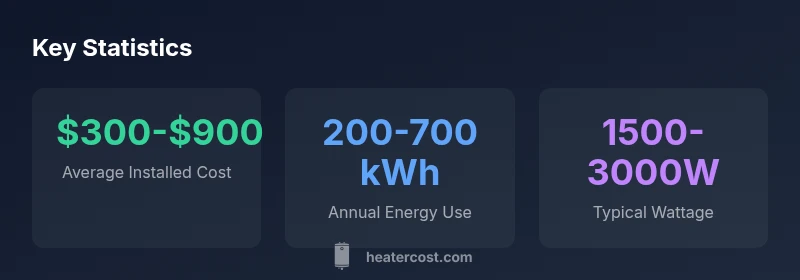
| Power (W) | 1500-3000 | Higher wattage heats faster but costs more |
| Heat output (BTU/h) | 5000-10000 | Suitable for small to medium bathrooms |
| Moisture rating | IP44-IP54 | Important for shower zones |
| Installed price | $200-$900 | Depends on wiring and ceiling access |
| Installation time | 2-8 hours | Depends on ceiling access and wiring |
Got Questions?
Do bathroom ceiling heaters require professional installation?
Yes. Electrical work in bathrooms requires compliance with local codes and proper GFCI protection. A licensed electrician should handle wiring, mounting, and electrical connections to ensure safety.
Yes. Because bathrooms involve moisture and electrical work, hire a licensed electrician to handle wiring and mounting for safety and code compliance.
What is the typical wattage for a bathroom ceiling heater?
Most residential ceiling heaters range from about 1500 to 3000 watts, depending on bathroom size and climate needs. Always match wattage to space and consider energy use.
Most bathrooms use about 1500 to 3000 watts, depending on size.
Are ceiling heaters safe in showers or humidity zones?
Yes, but only if the unit is rated for damp environments (look for IP ratings) and installed with appropriate clearances from water sources. Avoid direct water spray on the heater.
Make sure the heater is damp-rated and keep it away from direct water spray.
How long does installation take?
Typical installation takes a few hours to a half day, depending on ceiling access, wiring, and any required ceiling modifications.
Most installations take several hours.
Do ceiling heaters save energy compared to space heaters?
Ceiling heaters heat the bathroom efficiently when used for short periods, and can be more energy-efficient than portable space heaters if you maintain a comfortable, controlled temperature.
They can save energy when used for short bathroom sessions with proper settings.
“Bathroom ceiling heaters offer fast, localized heat with minimal space impact. Selecting the right wattage, humidity rating, and controls is crucial for safety and efficient comfort.”
The Essentials
- Choose wattage based on bathroom size and use.
- Select damp-rated units for bathrooms with showers.
- Proper electrical wiring and GFCI protection are essential.
- Consider smart controls to optimize energy use.