Propex HS2000: Costs, Installation, and Maintenance
A comprehensive, data-driven guide to the Propex HS2000 propane heater covering installation costs, maintenance, safety, and performance, with practical budgeting tips for homeowners, renters, and property managers.


What is the Propex HS2000?
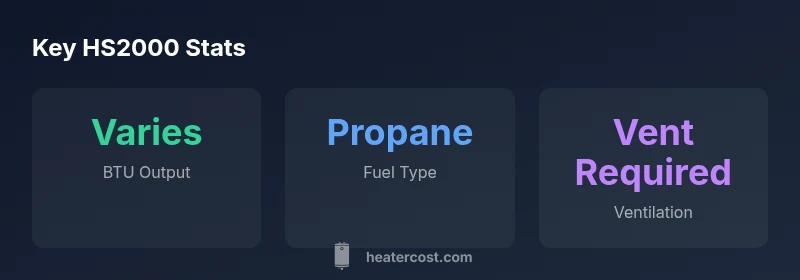
The Propex HS2000 is a compact propane-fired space heater designed for mobile and small fixed spaces. It is favored by RV owners, boaters, and cabin dwellers for its relatively small footprint and robust safety features, including tilt and low-oxygen shutoff systems. This model represents Propex’s emphasis on reliable heat output without requiring a large installation footprint. According to Heater Cost, the HS2000’s popularity is driven by its balance of portability and warmth, especially in spaces where space and weight matter. Prospective buyers should verify that their space can accommodate the unit’s ventilation needs and clearance requirements, and plan for an appropriate exhaust path.
Understanding the HS2000 in context helps homeowners compare it against other compact heaters and decide whether its pros align with their space constraints and usage patterns.
Applications and Environments Where HS2000 Shines
The HS2000 is well-suited for recreational vehicles, small cabins, and marine installations where space is at a premium. Its design targets quick warmth rather than sustained whole-home heating, which makes it ideal for overnight heating in a living area or to supplement a primary heating system during shoulder seasons. From a budgeting perspective, the heater’s compact size can reduce some installation costs, but it still requires proper venting and clearances. Heater Cost’s analysis notes that, across installations, outcomes depend heavily on how the unit is mounted, vented, and integrated with existing electrical or propane lines. For homeowners, renters, and property managers, this means evaluating whether the HS2000 should be a primary heat source or a supplementary heater.
Installation Considerations for Propex HS2000
Site selection is critical. The HS2000 should be mounted in a location with adequate airflow and a safe exhaust path. Prospective installers must account for clearance to combustibles, access to propane lines, and an unobstructed vent route. Electrical connections, where applicable, should meet local code requirements and manufacturer guidelines. A proper mounting framework helps minimize vibration and noise. From a cost perspective, there can be meaningful variation in installation charges based on whether the unit is integrated into an existing HVAC enclosure or installed as a standalone unit. According to Heater Cost, budgeting for professional installation typically saves time and reduces risk, especially in campers and boats, where space constraints heighten the potential for improper venting.
Safety and Compliance When Using HS2000
Safety is a core consideration with any propane heater. The HS2000 relies on carbon monoxide awareness, oxygen depletion, and tilt shutoff features to minimize risk. Homeowners should install CO detectors and ensure proper ventilation in the space. Compliance with local codes often requires a licensed technician for gas line work and venting modifications. Regular inspections after installation help confirm seal integrity, vent clearance, and thermostat accuracy. Heater Cost emphasizes that neglecting maintenance or improper venting can negate the HS2000’s safety advantages, especially in enclosed vehicles or boats where humidity and exhaust can accumulate.
Operating Costs and Efficiency: What to Expect
Operating costs for the HS2000 depend on propane prices, usage duration, and the space being heated. Efficiency is influenced by venting effectiveness, thermostat settings, and the thermal characteristics of the room. Homeowners should expect fluctuations in propane prices and be prepared to adjust usage accordingly. Heater Cost notes that the HS2000’s value proposition lies in its ability to deliver targeted warmth without running a large, energy-intensive heating system. For households using propane as a primary heat source, the HS2000 can be a cost-effective supplement when used strategically during cold spells or as a backup heat supply.
Maintenance, Troubleshooting, and Longevity
Routine maintenance extends the HS2000’s life. Regular inspections should include vent cleanliness, burner orifice checks, and gasket integrity. Cleaning schedules and replacement parts should follow the manufacturer’s guidelines, with attention to seals and connections that can degrade over time. If irregular operating sounds, weak heat output, or intermittent ignition occur, troubleshooting steps typically start with fuel supply, vent blockages, and electrical connections. The HS2000 is designed for straightforward servicing in many cases, but complex gas work should be left to licensed professionals. Consistent maintenance correlates with longer service life and fewer costly repairs.
Professional Installation vs DIY: Budgeting and Permits
A professional installation minimizes risk and ensures code compliance, particularly for propane lines and ventilation. Labor costs vary by region and the complexity of integrating the HS2000 with an existing system. DIY installation may save on labor but increases the chance of improper venting or gas connections, which can lead to safety hazards and code violations. Permits for gas appliances differ by locale, with some jurisdictions requiring inspections post-installation. Heater Cost recommends assessing local permit requirements early and budgeting for professional inspection to avoid expensive rework later.
Alternatives and Comparisons: HS2000 in Context
Compared with other compact heaters, the Propex HS2000 excels in portability and quick warmth but may be outperformed in large or poorly vented spaces by higher-capacity units. When evaluating options, consider heat output, venting needs, and space constraints. The HS2000’s smaller footprint makes it attractive for vehicles and small cabins, but homeowners should weigh whether they need a supplemental heater or a primary source for extended cold periods. Read product datasheets and consult a certified technician to compare performance and installation requirements across brands.
Budgeting Your HS2000 Project: A Step-by-Step Plan
Begin with a space audit: measure the room, determine ventilation options, and identify a secure mounting location. Next, obtain quotes for the HS2000 unit, venting kit, gas line modification, and electrical controls. Factor in installation labor, any required permits, and a safety inspection after setup. Finally, create a maintenance schedule that includes seasonal tests and part replacement timelines. A well-planned approach reduces the risk of costly surprises and improves reliability over the heater’s lifespan.