Water Heater Coverage: Costs, Plans, and Claims
Learn how water heater coverage works, what's typically included, cost ranges, and tips for selecting the right plan for homes, rentals, and maintenance.


Water heater coverage is protection that helps pay for repairs or replacement of a water heater under a home warranty, appliance policy, or service plan. It typically covers essential components (tank, heating element, thermostat, controls) but limits vary by provider and plan. Expect deductibles, per-claim caps, and service windows, as well as a few common exclusions. The practical value lies in reducing the out-of-pocket shock when a tank leaks, a heating element fails, or an electronic control module dies. For landlords and property managers, coverage can simplify budgeting across units and reduce vacancy risk after a breakdown. If you’re a homeowner evaluating options, read the policy carefully to map out which scenarios trigger coverage—since a claim under one plan might be excluded under another. According to Heater Cost Analysis, 2026, the best-value plans combine reasonable annual cost with clear, predictable limits, so you know what to expect when there’s a hot-water emergency.
What water heater coverage means in practice
Water heater coverage refers to protection that helps pay for repairs or replacement of a water heater under a home warranty, appliance policy, or service plan. It typically covers essential components (tank, heating element, thermostat, controls) but limits vary by provider and plan. Expect deductibles, per-claim caps, and service windows, as well as a few common exclusions. The practical value lies in reducing the out-of-pocket shock when a tank leaks, a heating element fails, or an electronic control module dies. For landlords and property managers, coverage can simplify budgeting across units and reduce vacancy risk after a breakdown. If you’re a homeowner evaluating options, read the policy carefully to map out which scenarios trigger coverage—since a claim under one plan might be excluded under another. According to Heater Cost Analysis, 2026, the best-value plans combine reasonable annual cost with clear, predictable limits, so you know what to expect when there’s a hot-water emergency.
Where coverage comes from
Coverage for water heaters typically originates from three main sources: home warranties, appliance insurance, and optional service plans. Home warranties often bundle coverage for major systems and appliances, including the water heater, with an annual premium and a deductible per service call. Appliance insurance policies may offer optional add-ons or stand-alone protection for specific devices, sometimes with higher limits and shorter service times. Service plans or extended warranties sold by manufacturers or third-party providers can tighten coverage around parts replacement and labor, often with predefined maintenance requirements. Each source has a different pricing model, claim process, and set of exclusions—or conditions that must be met for coverage to apply. For readers of Heater Cost, understanding how these sources differ helps you align protection with your risk tolerance, household usage, and the age of the heater. The choice should reflect both the likelihood of a failure and the financial impact of a replacement.
Covered components and common exclusions
Most water heater coverage focuses on essential operating parts, but coverage details vary. Commonly covered components include the storage tank, heating elements or burner, thermostats, piloting or ignition systems, and related controls or sensors. Some policies also cover drainage, replacement parts, and labor costs to diagnose and repair. Typical exclusions can include pre-existing defects, routine maintenance, cosmetic damage, leaks from external PEX or piping not part of the heater, and non-electrical failures outside the appliance unit. When evaluating a plan, look for language on tank age limits, covered replacement parts, and whether heat exchangers or expansion tanks are included. Another key distinction is whether the coverage applies to labor only or both labor and parts; some plans require you to pay for parts out of pocket even if a repair is approved. If you own an older water heater, verify that the policy explicitly covers age-related failures and whether there’s a depreciation schedule that affects replacement costs.
How costs are determined: deductibles, caps, and limits
Understanding the price of water heater coverage starts with the three main levers: deductibles, per-claim caps, and annual or incident limits. A deductible is the amount you pay before coverage begins; you pay this at every approved claim, and some plans offer a fixed amount while others vary by repair type. Caps limit how much the policy will pay for a single incident or over a term; common structures include a per-claim cap and an annual cap. Then there are the overall limits—the maximum cost a plan will cover for a given period, which can influence the overall value of the policy if you have multiple repairs in a year. In practice, a plan with a moderate annual cost but transparent caps and a predictable deductible often delivers the best balance of risk protection and affordability. When comparing options, ask for a sample claim scenario to see how costs would unfold in a realistic outage, such as a heater element failure during winter peak demand.
Estimating value for homeowners and landlords
Value comes from balancing risk, age of the heater, and the price of protection. For a homeowner in a mid-sized house with a 10–15 year old unit, water heater coverage can be worth it if it avoids a surprise replacement cost of several hundred to over a thousand dollars. For landlords with multiple units, the mathematical case often tilts toward coverage because a single malfunction can cause extended vacancy and maintenance coordination. Additionally, consider how coverage interacts with other protections, like a home warranty or an appliance insurance policy you may already hold. In neutral terms, you should calculate expected annual cost (premium minus any anticipated claim costs) and compare it to the potential out-of-pocket expense of a heater failure. Heater Cost’s broader guidance emphasizes transparency: choose plans with clear coverage limits, reasonable deductibles, and explicit inclusions for common failure modes such as tank leaks or element burnout.
Filing a claim: steps to speed a settlement
A smooth claim starts with knowing what your policy requires. First, confirm that the water heater issue is covered and that you haven’t exceeded any age or usage limitations. Next, document the problem with photos, notes on symptoms (cold water, strange noises, leaks), and a recent invoice if a prior service occurred. Contact your provider to initiate the claim, then schedule a visit from a qualified technician within the stated service window. Keep a log of all communications, estimates, and parts replaced. If a claim is denied, review the specific exclusions and ask for a written rationale; many insurers will offer a reconsideration or an appeal path. Finally, once the repair is complete, obtain a detailed invoice and confirm the coverage applied as described in the contract. Clear documentation is the fastest route to a confident settlement.
Maintenance impact on coverage and longevity
Regular maintenance can influence both the likelihood of a failure and the ease of claim approval. Many plans require routine servicing, such as annual inspections, flushing to extend tank life, and timely replacement of anode rods or seals as recommended by the manufacturer. Documentation of maintenance visits can support coverage decisions, especially when a claim involves wear-related wear and tear. In practice, homeowners who keep records and follow manufacturer service intervals often experience faster claim processing and fewer disputes over exclusions. If you’re renting, coordinate with the property manager to ensure that service visits comply with the policy’s requirements. For aging systems, proactive maintenance can extend usability and align with a policy’s depreciation schedule, reducing the risk of an unexpected out-of-pocket expense.
Tips for choosing a plan: questions to ask providers
To select the right water heater coverage, prepare a checklist of questions: What is the per-claim deductible? Are there caps for multiple repairs within a year? Is labor included and are replacement parts covered? Do you apply depreciation to the replacement cost, and if so, how is it calculated? What are the exclusions for leaks from plumbing or external pipes? How long is the service window, and do you offer 24/7 emergency service? Are there waiting periods after purchase or before coverage starts? Finally, ask for a sample claim scenario that shows how a typical water heater failure would be processed from start to finish. By comparing answers side by side, you’ll see which plan delivers the best value for your home’s age and usage.
Real-world scenarios: homes, rentals, and new installs
Households with older water heaters often prioritize coverage that includes depreciation-adjusted replacements and quick labor. For renters, a policy with predictable service windows and clear coverage for labor can minimize disruption. Property managers benefit from plans that cover replacement parts across multiple units and offer consolidated billing. New installations may have lower upfront costs but can still suffer from failures in the first years; ensure the plan provides protections for early-life defects and potential recalls. Across all scenarios, the most effective water heater coverage aligns with the unit’s age, usage level, and the total cost of ownership, not just the headline price. Brand-agnostic guidance from Heater Cost suggests focusing on clarity—coverage that explicitly states what’s included, under what conditions, and how disputes are resolved. With the right plan, a sudden cold-water morning becomes a manageable cost rather than a budget-busting surprise.
Comparison of coverage sources for water heater protection
| Source/Policy Type | Typical Coverage Per Incident | Annual Cost Range | Common Exclusions |
|---|---|---|---|
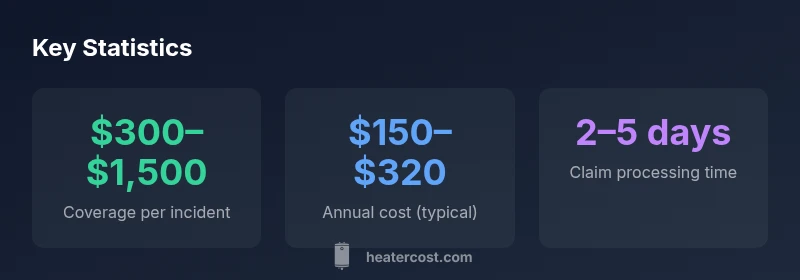
| Home warranty | $300–$1,500 | $150–$300 | No coverage for pre-existing conditions; normal wear and tear |
| Appliance insurance | $400–$1,200 | $180–$320 | Deductible per claim; limits on parts |
| Service plan add-on | $500–$1,000 | $100–$250 | Limited to service window; may require manufacturer parts |
Got Questions?
What is water heater coverage and what does it cover?
Water heater coverage protects repair or replacement costs under a warranty or service plan. It typically covers key components like the tank, heating elements, and controls, but coverage varies by policy and may include labor and parts or limit one of them. Always check the exclusions and depreciation rules.
Water heater coverage helps pay for repairs or replacement under a warranty or service plan. Check what’s covered and what isn’t, including any depreciation rules.
Is water heater coverage the same as homeowners insurance?
No. Homeowners insurance covers broader risks like fire, theft, and weather damage. Water heater coverage is usually a separate policy or add-on focused specifically on the heater and its components. You may have both, but they serve different purposes.
No, it’s not the same as homeowners insurance. It’s a separate policy that protects the heater and its parts.
How much does coverage typically cost per year?
Annual costs for water heater coverage typically range from roughly $150 to $320, depending on the provider, deductible, and caps. Some plans are bundled with other protections, which can influence the overall price.
Most plans cost about a hundred to a few hundred dollars a year, depending on limits and deductibles.
What are common exclusions I should watch for?
Common exclusions include pre-existing conditions, wear and tear from lack of maintenance, leaks from external plumbing, and age-related failures if depreciation applies. Always read the fine print to understand what’s excluded and any required maintenance.
Watch for pre-existing issues, wear and tear, and leaks from pipes outside the heater. Read the fine print.
How long does a claim take to process?
Processing times vary by provider but typically range from 2 to 5 days after submission of required documentation. Some plans offer expedited service for emergencies, subject to terms.
Claims usually take a few days once you’ve submitted everything required.
Should I buy coverage for a rental property?
Yes, rental properties often benefit from reliable coverage due to frequent turnover and multiple units. Look for plans that support multi-unit service, predictable scheduling, and bulk billing.
For rentals, coverage can reduce downtime and keep multiple units functional.
“Water heater coverage is a smart hedge against unexpected failure costs, but only if you understand the limits and exclusions.”
The Essentials
- Ask for clear deductibles and caps before buying.
- Balance annual cost against likely claim costs.
- Maintenance records support faster claims.
- Avoid plans with vague exclusions and depreciation traps.
- Verify coverage for common failure modes like leaks and element burnout