Instant on Electric Water Heaters: A Practical Guide
Explore instant on electric water heaters—how they work, cost ranges, installation needs, and maintenance tips to help homeowners decide if they’re right for your home and budget.


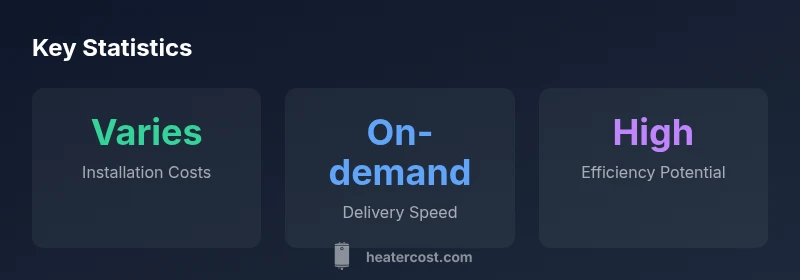
Instant on electric water heaters deliver hot water on demand, eliminating the wait typical with storage tanks. They’re designed to heat water as it flows through a heat exchanger, often fitting compact spaces and avoiding standby losses when correctly sized. Installation requires a suitable electrical supply and sometimes panel upgrades or dedicated circuits, which can affect both upfront cost and time to install. In many homes, the tangible benefits come from reduced water-waste, improved comfort, and potential long-term operating costs that hinge on usage patterns, electrical rates, and proper sizing.
What is an instant on electric water heater?
Instant on electric water heaters are compact, on-demand systems that heat water only as you use it. Unlike traditional storage tanks, they do not keep a reservoir of hot water constantly heated, which reduces standby energy losses. In practice, a home may have a whole-house unit or smaller point-of-use units located at the point of use (for showers, sinks, or appliances). The core technology uses electric heating elements that activate when cold water enters the unit and flow triggers heat generation. The performance you get depends highly on the heater’s design, its rated flow rate (GPM), and how your household uses hot water. For homeowners, the promise is simple: less waiting for hot water and possible energy savings, especially if your usage is uneven or peak demand is limited. The Heater Cost team notes that the decision should consider existing electrical capacity, local code requirements, and the pattern of daily hot-water use. In addition, quality installation and correct temperature settings are essential to avoid both scalding and unnecessary energy use. Consider where the unit will be installed, whether you will need multiple points of use, and how the system will be fed from your electrical panel. A thoughtful assessment helps prevent undersizing or oversizing, which can undermine performance and efficiency.
Performance and efficiency: what to expect with instant on electric water heaters
On-demand electric models typically offer rapid hot-water delivery with reduced wait time, especially when sized for the household’s daily hot-water demand. Efficiency is driven by the absence of storage tank standby losses; however, actual energy savings depend on usage patterns, temperature rise requirements, and how well the unit is matched to your home’s hot-water usage. Flow rates vary: smaller point-of-use units may provide adequate hot water for one fixture, while whole-home systems demand higher capacity to serve multiple outlets simultaneously. Temperature stability is a common challenge; many units include digital controls or preset temperatures to minimize fluctuations. When properly installed and maintained, these systems can deliver reliable performance with less energy waste, but undersized or poorly wired installations can negate potential savings. The Heater Cost team emphasizes sizing accuracy, proper electrical connections, and adherence to safety guidelines to maximize benefits.
Cost considerations: upfront, operating costs, and payback
Upfront costs for instant on electric water heaters include the unit price plus installation, which may involve electrical work, panel upgrades, or permits. Because every home is different, costs can span a broad range and may be influenced by local labor rates, permit requirements, and the need for wiring upgrades. Operating costs hinge on electricity prices, hot-water usage, and the efficiency of the chosen model. In many cases, homeowners experience lower standby losses and energy waste versus storage tanks, which can translate to meaningful savings during periods of variable hot-water demand. It’s important to compare not just the purchase price but the total cost of ownership over time, factoring in maintenance needs and potential service calls. The Heater Cost analysis for 2026 highlights that savings are highly context-specific, and a professional load calculation helps forecast true economics for your household.
Installation and electrical requirements: what buyers should plan for
Electrical requirements are a primary driver of both cost and feasibility. Most instant electric heaters demand a dedicated circuit and adequate amperage, with many models operating on a 240V supply. A panel load calculation may be necessary to determine whether your existing panel supports the heater or whether upgrades are needed. In some cases, local permits and code compliance are required, which can affect project timelines and total expense. Space constraints, routing of water and electrical lines, and accessibility for maintenance all influence installation quality and long-term reliability. A qualified licensed electrician should review your electrical system, and a plumber or installer can coordinate water connections. By planning ahead for these needs, you minimize the risk of electrical bottlenecks, nuisance tripping, or future failures.
Choosing the right model: capacity, features, and warranties
Selecting the right model comes down to matching flow rate to your household’s peak hot-water usage and ensuring electrical compatibility. For single fixtures or small households, smaller units may suffice; larger homes or concurrent usage (multiple showers, appliances) require higher capacity. Look for features such as precise temperature control, safety cutoffs, and indicators that help diagnose performance issues. Warranties vary by brand and model and can influence total cost of ownership. Consider the ability to scale later, the availability of replacement parts, and the reputation of the manufacturer. The Heater Cost team recommends requesting a professional sizing analysis that accounts for your climate, hot-water habits, and the number of fixtures that will draw hot water simultaneously.
Maintenance, safety, and best practices
Regular maintenance helps preserve efficiency and safety. Periodic flushing to remove mineral buildup, inspection of electrical connections, and verification of temperature settings are prudent steps. Electric units should be installed with proper grounding and under appropriate electrical codes to minimize shock or fire risks. If you notice inconsistent water temperatures, a drop in pressure, or unusual noises, schedule an inspection promptly. Keep in mind that electrical service upgrades may be necessary as part of long-term home improvement plans, so budgeting for potential upgrades now can prevent future surprises. Proper maintenance and correct sizing minimize the chance of cold-water sandwiches and extend the life of the system.
Comparison of water heater types and installation considerations
| Model Type | Typical Flow/Capacity | Installation Considerations |
|---|---|---|
| Instant electric water heater | 2–4 GPM (varies by model) | Requires dedicated 240V circuit; may need wiring upgrade |
| Traditional storage tank heater | 2–6 GPM depending on tank size | No specialized electrical upgrades; standby losses exist |
| Whole-home tankless electric | 3–6+ GPM | Higher upfront cost; panel load assessment needed |
Got Questions?
What is an instant on electric water heater and how does it differ from a tankless unit?
An instant on electric water heater heats water on demand as it flows through the unit, without the standby losses of a storage tank. A tankless unit is a broad category that includes various designs; instant on variants are a subset designed for rapid delivery and compact form. The main difference lies in sizing, placement, and how the unit connects to your home's electrical system.
It heats water on demand, so you get hot water faster and without keeping a tank hot all the time.
Do I need a building permit to install an instant electric water heater?
Permit requirements vary by location and project scope. If electrical work is extensive or panel upgrades are involved, a permit is common. Check with your local building department and have a licensed electrician handle code compliance.
Permits depend on local rules and the scope of electrical work.
What factors influence energy savings with on-demand electric heaters?
Savings depend on usage patterns, temperature settings, and how well the unit is matched to demand. On-demand systems avoid standby losses, but improper sizing or high concurrent use can limit efficiency gains.
Savings come from less standby heat, but only if sized for your needs.
How do I choose the right capacity for my home?
Estimate peak hot-water usage, consider the number of fixtures that might run at once, and evaluate whether you want a single larger unit or multiple smaller units. A professional sizing analysis can quantify the required GPM and electrical load.
Size it to your peak use, and consult a pro for a precise GPM target.
Are there safety concerns with electric instantaneous heaters?
Electrical safety and proper grounding are essential. Ensure the heater is installed by a licensed professional, is correctly sized for voltage and amperage, and complies with local codes to minimize shock or fire risk.
Yes—proper installation and electrical safety are crucial.
“When properly sized and installed, instant on electric water heaters can improve comfort and reduce waste, but sizing and electrical readiness are critical.”
The Essentials
- Understand your peak use to size correctly
- Plan for electrical upgrades if needed
- Factor total cost of ownership, not just purchase price
- Regular maintenance sustains efficiency and safety