Ceramic Wall Heater: Costs, Efficiency, and Installation Guide
Explore ceramic wall heaters: cost ranges, efficiency, installation tips, and comparisons to help homeowners, renters, and property managers decide what's best for small spaces.


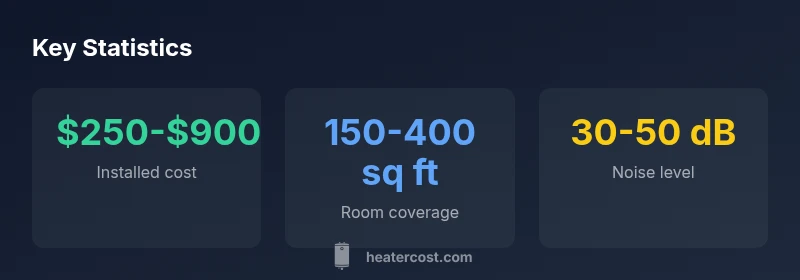
Ceramic wall heaters are compact electric heaters that mount to a wall and use ceramic elements for rapid, even heat. Typical installed costs range from $250 to $900 per unit, with professional installation adding $100-$300. Efficiency is high for 100% electric, with operating costs depending on local electricity rates.
What is a ceramic wall heater?
According to Heater Cost, ceramic wall heaters are compact electric heaters that mount to a wall and use ceramic elements for rapid, even heat. They typically rely on an electric resistance coil paired with a ceramic core that stores heat and releases it steadily as a fan distributes warm air. The result is quick warmth for nearby spaces without occupying floor space. Because they’re hardwired or plugged into a standard outlet (depending on model), installation is often simpler than bulkier radiant models, which appeals to homeowners and renters alike. When selecting a model, consider the enclosure style, surface finish, and whether the unit includes a built-in thermostat or smart controls. As a rule, ensure the heater is installed away from drapes or furniture to maintain safety and maintain consistent heat distribution across the room.
How ceramic wall heaters differ from other electric heaters
Ceramic wall heaters stand out for their rapid heat response and compact footprint. Unlike baseboard heaters, they don’t require floor space and can deliver warmth to a targeted zone within minutes. Compared with freestanding space heaters, wall-mounted units reduce tip-over risk and noise levels because the fan and heating elements are enclosed. They are particularly well-suited for small living rooms, bedrooms, home offices, or bathrooms where a quick, localized heat boost is desirable. When evaluating multiple options, look for ceramic plates with good heat storage capacity, efficient fans, and adjustable thermostats for better comfort control. This combination typically yields faster暖房 onset and more stable ambient temperatures in tighter rooms.
Sizing, placement, and safety considerations
Proper sizing is essential for comfort and safety. Start by calculating the room’s square footage and selecting a heater with an output that meets a portion of that area (not the entire home). Mount the unit high on a wall, away from water sources in bathrooms, and ensure it clears combustibles and furniture by at least the recommended distances found in the manual. Electrical considerations matter: most installations require a dedicated circuit in many jurisdictions, and some models rely on 120V outlets while others need hardwiring. Use a professional if wiring changes are necessary to meet code requirements. Always install a cover or grille that prevents direct contact with the hot ceramic surface, especially around children and pets. Regular checks for dust buildup on vents and wiring are advisable to maintain efficiency.
Efficiency, heat distribution, and thermostat strategies
Ceramic heaters convert nearly all supplied electricity into heat, but real-world efficiency also hinges on usage patterns. A programmable thermostat helps maintain comfortable temperatures without short cycling, which wastes energy. For best results, set a modest baseline temperature and rely on the unit’s local controls to fine-tune warmth in the room. Space heaters benefit from good insulation; sealing drafts reduces heat loss, letting the ceramic element work less while keeping the area cozy. If you frequently heat the same room, consider models with timers or ECO modes to minimize energy use while preserving comfort. In high-traffic spaces, you may want two smaller units instead of one large unit to minimize temperature swings and improve comfort.
Installation options and costs you should know
Most ceramic wall heaters offer straightforward installation that can be completed by a confident DIYer, but electrical work often benefits from a licensed electrician. The cost impact depends on whether the unit is plug-in or hardwired, existing wiring capacity, and whether you need a new circuit or panel adjustments. If a bathroom or humid area is involved, you’ll need models rated for damp locations and professional verification of electrical safety. Always verify the manufacturer’s installation instructions and local code requirements before proceeding. Budget enough for mounting hardware, wall preparation if required, and any permits that may apply in your area. With proper mounting and calibration, ceramic wall heaters can deliver reliable heat with minimal ongoing maintenance.
Ceramic wall heater vs alternatives: pros and cons
When selecting a heat source for a compact space, ceramic wall heaters offer quick warm-up, silent operation, and flexible placement compared to bulky radiators. They tend to have lower upfront costs than some mini-split systems but can incur higher running costs if used as a primary heat source in uninsulated spaces. Portable ceramic heaters provide flexibility but can introduce safety concerns if left unattended. Compared with electric baseboard heaters, wall-mounted units heat more quickly but may be less suitable for large rooms without additional units. Evaluate insulation, room size, and desired heat duration to determine whether ceramic wall heaters fit your needs, or if a different solution would deliver better long-term value.
Comparison of electric space heaters
| Heater Type | Typical Heat Output (BTU) | Installation Complexity | Estimated Operating Cost Range | Best For |
|---|---|---|---|---|
| Ceramic wall heater | 1000-4000 BTU | Low to moderate (wall mount) | $0.10-$0.25/hour | Small rooms, quick heat |
| Panel heater | 500-1500 BTU | Low | $0.05-$0.15/hour | Spot heating in tight spaces |
| Electric baseboard | 1500-2500 BTU | Moderate | $0.15-$0.30/hour | Whole-room heating in small homes |
Got Questions?
How does a ceramic wall heater work?
Ceramic wall heaters use electric resistance coils to heat ceramic plates, which store heat and then radiate it into the room. A fan often circulates warm air for quicker distribution. They’re mounted on walls to save floor space and typically include a thermostat for temperature control.
They heat by warming ceramic plates, then circulating warm air with a built-in fan—easy to mount and great for small rooms.
Are ceramic wall heaters energy-efficient?
Electric heaters are virtually 100% efficient at converting electricity to heat, though running costs depend on usage, room size, and electricity rates. Pairing with a programmable thermostat helps minimize waste and maintain comfort.
Yes. They’re highly efficient per unit of electricity used, especially when paired with a thermostat and sensible usage.
What is the typical installed cost for a ceramic wall heater?
Typical installed costs range broadly from a few hundred dollars to around a thousand, depending on unit size, mounting hardware, and labor. More feature-rich models or difficult wiring can push costs higher.
Most installations fall in the low hundreds to around a thousand dollars, depending on what you choose.
Can ceramic wall heaters heat an entire house?
Ceramic wall heaters are best for supplemental heat in single rooms or small zones. For full-house comfort, combine with central heating or use multiple units across zones.
They’re great for individual rooms, not the whole house.
Is professional installation required for ceramic wall heaters?
Most setups involve electrical wiring that should meet local codes. A licensed electrician is often recommended for hardwired installations or wiring changes.
Often best to have a licensed electrician handle wiring and code compliance.
What maintenance do ceramic wall heaters require?
Keep vents clean and free of dust to preserve airflow and efficiency. Periodic inspections of wiring and mounting hardware help prevent safety issues, especially in homes with pets or children.
Keep the vents clean and check wiring and mounting periodically.
Are there safety concerns with ceramic wall heaters?
Avoid placing objects near the heater and ensure proper clearance from walls and furniture. Use models with automatic shutoff and tip-over protection when possible, and always follow manufacturer installation guidelines.
Keep space around the unit clear and use a model with safety features.
“Ceramic wall heaters provide rapid warming in small-to-medium rooms with near-ideal efficiency for electric heating. Correct sizing and installation matter as much as the model selection.”
The Essentials
- Prioritize size and placement for best warmth
- Choose programmable controls for efficiency
- Expect lower footprint, simple installation
- Compare installed costs and operating expenses
- Safety first: keep clearances and monitor usage