Why Is Your Water Heater Making Popping Sounds? A Troubleshooting Guide
Learn why water heaters pop, how sediment and expansion tanks cause the noise, and step-by-step fixes. Quick safety tips, maintenance routines, and when to call a pro—brought to you by Heater Cost.


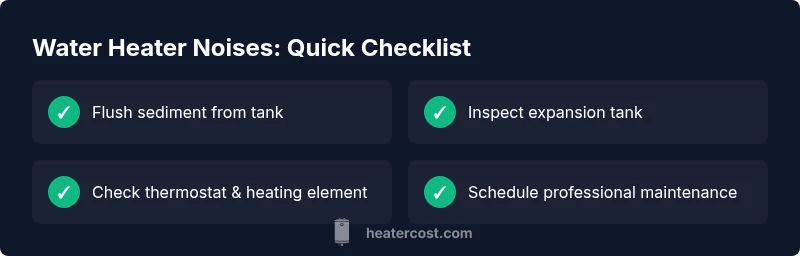
The popping sound typically means mineral sediment is heating and creating steam pockets inside the tank. This is often caused by sediment buildup or expansion tank issues. To fix it, drain and flush the tank, adjust or install an expansion tank, and inspect the thermostat and heating elements; if the noise persists, contact a licensed plumber or heating pro.
What causes popping sounds in water heaters
If you've ever asked why is water heater making popping sounds, you're not alone. The most common cause is mineral sediment that settles at the bottom of the tank. When the burner or heating element heats water, the sediment acts like a barrier, trapping water underneath and creating tiny steam pockets. As these pockets escape, you hear a popping or crackling noise. This is more likely in older units or areas with hard water, where minerals accumulate faster. According to Heater Cost, sediment buildup can turn routine heating into a noisy, less efficient process, signaling that a flush is due. In some cases, expansion tank issues or thermostat problems can also contribute to the sound. Understanding the root cause helps you choose the right fix and avoid unnecessary repairs.
Sediment buildup: the silent culprit
Sediment consists of minerals that fall out of hard water and settle at the tank’s bottom. Over time, that sediment forms a gritty layer that insulates the heating element from water. When heat is applied, pockets of steam form beneath the sediment and burst through, producing popping noises. The presence of sediment can also reduce efficiency, increase run time, and shorten the water heater’s life. Heater Cost Analysis, 2026, notes that sediment-related noises are common in aging units in hard-water regions. Regular flushing helps restore heat transfer and quiet the tank, while heavy buildup may require professional cleaning or replacement of the tank.
The role of the expansion tank
In a closed hot-water system, the expansion tank absorbs pressure increases as the water heats and expands. If the expansion tank is faulty—air leaks, a bad bladder, or an absent valve—it cannot buffer this pressure, leading to pressure fluctuations and noises that resemble popping. If your system lacks an expansion tank, noise can be more pronounced during rapid heating. Inspecting and, if needed, replacing the expansion tank can often resolve the issue without replacing the heater. A correctly sized expansion tank helps protect the home’s plumbing and improves overall comfort.
Quick checks you can perform safely
Before diving into major work, perform the following checks you can do with basic safety in mind:
- Turn off power to an electric unit at the breaker or shut off the gas supply for a gas unit.
- Check the thermostat settings to ensure they aren’t set too high and that the unit isn’t short-cycling.
- Inspect the T&P (temperature and pressure) relief valve for leaks or improper operation.
- If you can access the drain valve, carefully drain a bucket a few gallons to flush out sediment (with the power/gas off and the tank cool).
- Look for visible leaks around the fittings and the tank. If you hear banging or groaning after a flush, there may be a larger issue.
Note: If any step feels unsafe or you’re unsure about handling gas lines, contact a licensed professional. This is especially important in multi-story homes or if you smell gas. Heater Cost recommends posing the question to a heating pro if symptoms persist beyond a basic flush.
When to call a professional
If you flush the tank and the popping continues, or you notice signs of a more serious problem—persistent leaks, rust-colored water, unusual odors, or a continuous loud rumble—call a licensed plumber or water heater technician. Gas-powered heaters require safe handling and venting checks that are best left to pros. A professional can perform a pressure test, inspect the expansion tank and T&P valve, and assess whether the heater’s age or condition warrants replacement. The cost of professional service varies by region, but catching issues early can prevent more expensive repairs later.
Preventing popping noises long-term
Maintenance is the best defense against noisy water heaters. Schedule an annual flush to remove sediment and scale buildup. If you live in a hard-water area, consider installing a water softener or a scale inhibitor to slow mineral accumulation. Check and replace a faulty expansion tank before it causes pressure-related noises. Keep thermostat settings reasonable (120-130°F is typical for most households) to minimize stress on the system. By pairing regular maintenance with a proactive replacement window, homeowners can reduce noise and improve efficiency over the life of the unit.
Steps
Estimated time: 45-60 minutes
- 1
Power down the heater
Turn off the electrical breaker for an electric unit or shut off the gas supply for a gas heater. Wait for the unit to cool before handling. This step protects you from electrical shock or burns and makes flushing safer.
Tip: Use a non-contact tester to confirm power is off before touching cables. - 2
Check thermostat and controls
Ensure the thermostat is not set too high and that the unit isn’t short-cycling. A misadjusted thermostat can cause overheating and added stress, which can contribute to popping noises as water rapidly heats.
Tip: Set to 120-130°F for most homes unless you have specific needs. - 3
Flush the tank to remove sediment
Attach a hose to the drain valve, place the other end in a safe drain, and open the valve. Allow water to run until it appears clear. Refill the tank slowly and turn the power back on after closing the drain valve.
Tip: Do not forcefully drain if you see rusty water—stop and call a pro. - 4
Inspect expansion tank and T&P valve
Look for a proper air charge (if exposed) and ensure the expansion tank is properly connected. Test the T&P valve by lifting the test lever gently; water should be discharged and then stop when released.
Tip: If you hear continuous leaks, the expansion tank or valve may need replacement. - 5
Refill and re-pressurize
Close all valves, refill the tank, and restore power or gas. Allow the heater to reach operating temperature and listen for noise as it cycles. If the popping continues, proceed to professional service.
Tip: Monitor for leaks around fittings during the first 24 hours.
Diagnosis: Water heater makes popping sounds when heating
Possible Causes
- highSediment buildup at the tank bottom
- mediumExpansion tank issues (air pressure or bladder failure)
- lowThermostat or heating element problem
Fixes
- easyDrain and flush the tank to remove accumulated sediment
- mediumInspect and replace the expansion tank if needed
- hardTest and replace thermostat or heating element if faulty
- easyIf noises persist after flush and checks, hire a licensed professional
Got Questions?
Why is my water heater popping?
Popping is usually caused by sediment buildup at the tank bottom or expansion-tank issues. A full flush, checking the expansion tank, and thermostat inspection often resolve the issue. If noises persist, a professional assessment is recommended.
Popping noises usually come from sediment or expansion-tank problems. A flush and a thermostat check often fix it; if not, a professional should take a look.
Is a popping sound dangerous?
A popping sound is typically not immediately dangerous, but it can indicate excessive sediment, pressure problems, or a failing expansion tank. If you smell gas, hear banging loudly, or notice leaks, seek immediate professional help.
It’s usually not dangerous, but it can signal pressure or sediment issues. If you smell gas or hear loud banging, get help right away.
Should I flush my water heater every year?
Flushing annually is a common maintenance recommendation, especially in hard-water areas. It helps remove sediment, sustain efficiency, and reduce noises. If your unit is older or heavily mineralized, more frequent flushing may be beneficial.
Yes, yearly flushing is a good rule of thumb for most homes to keep the heater efficient and quiet.
Can a bad expansion tank cause popping?
Yes. A defective expansion tank cannot buffer pressure increases, leading to popping or banging noises. Inspect and replace if needed to restore smooth operation.
Absolutely—expansion tank faults can cause popping sounds; replacement often fixes it.
When should I replace my water heater due to noise?
If noises persist after flushing and inspection, or if the unit is nearing the end of its expected life, replacement is often more cost-effective than repeated repairs. A professional can help determine the best timing.
If the noise continues after maintenance and the unit is old, replacement may be the best option.
Are gas and electric water heaters noisy in the same way?
Both can make popping noises for similar reasons, but gas heaters may also show venting or flame-related sounds. The fix usually involves sediment removal, expansion-tank checks, or element/thermostat replacement as needed.
They share causes like sediment, but gas heaters might have venting noises too. Fixes focus on sediment, expansion, and controls.
Watch Video
The Essentials
- Identify sediment buildup as the likely cause.
- Flush the tank to restore heat transfer and quiet operation.
- Check expansion tank and thermostat before replacing the unit.
- Call a licensed pro if noises persist after basic maintenance.