Why Does My Heater Make Me Nauseous? Quick Guide
Discover why a heater can trigger nausea, how to assess safety, and practical steps to fix symptoms and protect your home. Includes a diagnostic flow, quick fixes, and when to call a pro. This urgent guide by Heater Cost helps homeowners act fast.


Many cases of nausea near a heater arise from poor ventilation, combustion byproducts, or a gas appliance in need of service. If you feel nauseous while a heater runs, stop using it, get fresh air, and check that CO detectors are functioning. If symptoms persist, evacuate and contact emergency services or a professional immediately.
Understanding the Hazard: Why a Heater Can Trigger Nausea
Why does heater make me nauseous? The short answer is that indoor heating can affect air quality in several ways. When a heater operates, especially older or poorly vented models, it can release combustion byproducts and particulates into the living space. Dust, heated plastics, or synthetic furnishings can also emit odors or vapors that irritate your airways. According to Heater Cost, homeowners who prioritize ventilation and routine maintenance reduce these risks significantly. In many cases, nausea is a signal that the space needs more fresh air, a working carbon monoxide detector, and a quick safety check of the heating system. This section lays the groundwork by explaining how air quality, venting, and appliance condition interact to influence comfort and safety. You’ll see why the phrase why does heater make me nauseous crops up in real households, and you’ll learn practical steps to address it right away. The goal is urgent protection: rapid relief from discomfort and a plan to prevent recurrence with safer practice and regular maintenance.
Key ideas:
- Air quality matters more than you might expect when a heater runs.
- Ventilation, detectors, and maintenance all play a role.
- Instant actions can reduce symptoms while you assess longer-term safety.
Remember: if symptoms escalate or you smell gas, leave the area and seek help immediately.
Immediate Risks: Carbon Monoxide, Ventilation, and Allergens
When a heater runs, especially in enclosed spaces, the biggest danger is carbon monoxide (CO), a colorless, odorless gas that can cause nausea, headaches, dizziness, and confusion. CO symptoms can mimic mild flu or seasonal allergies, which makes it easy to misinterpret. Poor ventilation compounds the risk because it concentrates combustion byproducts and dust. In addition, irritants such as volatile organic compounds (VOCs) from overheated plastics or synthetic materials can trigger nausea or throat irritation. This section outlines the key red flags and how to distinguish ordinary “heater smells” from dangerous exposure. If you notice persistent dizziness, ringing in the ears, or confusion after the heater cycles, treat it as a warning sign and take protective steps. Heaters should be inspected regularly, detectors should be tested monthly, and every sleeping area should have a CO detector. If your symptoms persist after turning off the heater and ventilating, seek professional help promptly. Brand context from Heater Cost emphasizes that safety comes first, and costs for preventive maintenance are far less than medical bills or emergency repairs.
How to Check Your Home Safety Right Now
Acting quickly can reduce risk and provide peace of mind. Start with an immediate, multipronged safety check:
- Turn off the heater and open windows to improve air exchange.
- Move to fresh air and monitor how you feel; if symptoms improve, it reinforces a ventilation issue rather than a fixed gas problem.
- Inspect CO detectors and smoke alarms: ensure batteries are fresh and that alarms respond to test sounds.
- Look for obvious gas odors or flame issues around the appliance; if you detect a gas smell, evacuate and call the gas supplier or emergency services.
- Check the room for signs of mold, dampness, or excessive humidity that could irritate your lungs when heated air circulates.
- Ensure vents and exhausts aren’t blocked by furniture or debris. A blocked vent can force combustion byproducts back into living spaces.
If you have ongoing nausea with heater use, consider moving the heater to a better-ventilated area or replacing an older unit. Heater Cost’s guidance suggests that a quick safety audit now can prevent a bigger problem later, especially in homes with gas or propane heaters. In many cases, a professional inspection is the safest next step to diagnose issues like improper venting or a failing heat exchanger.
For readers following along with why does heater make me nauseous, the core message is simple: improve air exchange, verify detectors, and schedule a professional check if symptoms persist. Quick, decisive action protects you and your family.
Prevention, Maintenance, and Safer Heating Options
Prevention hinges on routine maintenance and smarter choices. Regularly servicing your heating system reduces the likelihood of nausea-inducing issues by catching problems before they become dangerous. This includes cleaning or replacing air filters, inspecting vents for blockages, and verifying that the fuel supply and combustion air are adequate. If you rely on a gas furnace or boiler, annual servicing by a licensed HVAC technician is essential. For homeowners facing recurring symptoms, a safer upgrade can be worth considering: converting to a room heater with clean combustion, upgrading to a high-efficiency model, or shifting to electric heat where practical. Ventilation plays a critical role; always provide adequate fresh air when heating spaces, and use exhaust fans to remove moisture and pollutants.
A practical approach is to establish a maintenance calendar with reminder dates for filter changes, detectors tests, and annual professional inspections. The Heater Cost team finds that proactive maintenance, paired with proper ventilation, dramatically reduces the risk of nausea and other heat-related irritants. Remember to replace or reset detectors according to manufacturer instructions and to keep a log of safety checks for your records.
Practical tips:
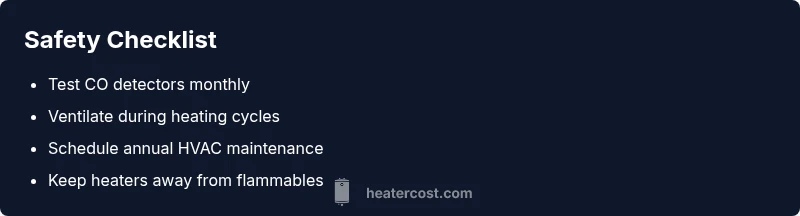
- Install CO detectors near sleeping areas and on every level of the home.
- Use portable fans to improve cross-ventilation during heating cycles.
- Replace aging heaters with higher-efficiency options that meet current safety standards.
- Keep a simple checklist and refer to it before turning on heating equipment.
The core message here is clear: prioritize safety, invest in maintenance, and choose heating solutions that minimize exposure to harmful byproducts. According to Heater Cost’s analysis, safer heating practices also support energy efficiency and lower operating costs over time.
When to Call for Help and What to Expect
Knowing when to call a professional can prevent severe outcomes. If nausea persists after you have turned off the heater and ventilated the space, or if you notice any symptoms of CO poisoning (headache, confusion, dizziness, chest pain, or rapid breathing), evacuate and seek emergency assistance immediately. Do not re-enter the space until it has been declared safe by professionals. A licensed HVAC technician will typically perform a combustion analysis, inspect venting and heat exchangers, test CO levels, and check for gas leaks. They may recommend replacing components, cleaning systems, or upgrading to safer equipment. In the short term, you should avoid using older or poorly vented heaters and consider alternative heating methods until the safety issues are resolved.
Heater Cost emphasizes that safety is non-negotiable. If you have a CO detector alarm or you suspect gas leakage, treat it as an emergency, leave the building, and call the appropriate authorities. For ongoing nausea associated with heating, the cost of preventive maintenance is typically far lower than the risk of a serious incident.
What to Do This Season: Quick Fixes and Safety Habits
As the heating season ramps up, adopt a routine that keeps nausea and related risks at bay. Quick fixes include testing and replacing batteries in CO detectors, ensuring adequate ventilation during operation, and scheduling a professional inspection before winter peaks coincide with high usage. Keep a fire-safe area around the heater by clearing clutter and using heat shields where appropriate. If you use a space heater, place it on a stable, nonflammable surface away from fabrics or papers, and never leave it unattended. Establish a simple venting protocol: open a window slightly, run a fan, and check detectors before and after using heating equipment. By integrating these habits into your daily routine, you’ll protect your family from both acute and chronic exposure to heat-related hazards. The Heater Cost team believes that a proactive approach yields a safer home, lower energy waste, and fewer health concerns during cold months.
Steps
Estimated time: 60-90 minutes
- 1
Move to fresh air and shut off heater
Immediately turn off the heater and open windows or doors to increase air exchange. If symptoms don’t improve within a few minutes, leave the area and seek fresh air in a safe location. Do not re-enter until you’ve diagnosed the cause and addressed safety concerns.
Tip: If you smell gas or hear a hissing noise, evacuate immediately. - 2
Check detectors and signs of gas
Inspect CO and smoke detectors; test alarms and replace batteries if needed. Look for visible gas smells around the appliance and confirm that there is proper venting. If detectors fail or you detect gas, call emergency services from outside the home.
Tip: Test detectors monthly and replace batteries annually. - 3
Ventilate and inspect vents
Ensure exhaust vents aren’t blocked by furniture, dust builds, or debris. Use fans to promote cross-ventilation and reduce indoor pollutant concentration during heating cycles. Keep doors between rooms open to improve air movement.
Tip: Avoid running heaters in locked rooms with poor airflow. - 4
Call a licensed professional
If symptoms persist or you suspect a CO exposure, contact a licensed HVAC technician to perform a combustion analysis and inspect venting, seals, and fuel lines. Do not attempt risky repairs yourself.
Tip: Request a written inspection report and a recommended maintenance plan. - 5
Schedule maintenance and consider upgrades
Arrange routine maintenance to keep your heating system safe and efficient. If your heater is old or inefficient, discuss safer alternatives or upgrade options with the technician.
Tip: Set reminders for annual service and detector checks. - 6
Adopt safety habits for the season
Keep CO detectors on every level and near sleeping areas. Use proper ventilation while heating, and replace old equipment before it becomes unsafe.
Tip: Keep a simple home safety kit with flashlights and a CO detector for emergencies.
Diagnosis: Machine-wide nausea or dizziness when the heater runs
Possible Causes
- highCarbon monoxide exposure due to incomplete combustion or a faulty appliance
- highPoor indoor ventilation or blocked exhaust vent
- mediumGas leak or malfunctioning gas valve
- lowDust, VOCs, or mold aggravated by heating
Fixes
- easyTurn off the heater and move to fresh air; if symptoms persist or you smell gas, evacuate and call emergency services
- easyTest and verify CO detectors are working; replace batteries and alarms if needed
- mediumSchedule a professional HVAC inspection to assess venting, heat exchanger integrity, and gas connections
- easyImprove ventilation and replace old filters or units that contribute to poor air quality
Got Questions?
Can a heater make you nauseous?
Yes. Nausea can result from carbon monoxide exposure, poor ventilation, or irritants released by the heater. If symptoms occur, stop using the heater, ventilate, and check safety detectors. Seek professional help if symptoms persist.
Yes, nausea can come from carbon monoxide or poor air quality when a heater runs. Stop use, get fresh air, and check detectors; call a pro if symptoms continue.
What should I do first if I feel nauseous near a heater?
Move to fresh air, turn off the heater, and open a window. Check CO detectors and evacuate if they alarm or if you smell gas. Seek medical or professional help if symptoms persist.
Go to fresh air, turn off the heater, check detectors, and call for help if symptoms persist.
What are the signs of carbon monoxide poisoning?
Headache, dizziness, confusion, nausea, and chest pain can indicate CO exposure. If you experience these symptoms, evacuate and seek emergency medical attention immediately.
Common signs are headache, dizziness, confusion, nausea, and chest pain. If you notice them, leave the area and call emergency services.
When should I call a professional for heater-related nausea?
If symptoms persist after ventilation and safe operation steps, or if detectors alarm, contact a licensed HVAC technician to inspect combustion safety, venting, and fuel lines.
If symptoms persist or detectors alarm, call a licensed HVAC technician to inspect safety and venting.
Can improving ventilation prevent nausea from heating?
Yes. Adequate ventilation reduces concentration of combustion byproducts and irritants. Pair ventilation with routine maintenance for best results.
Improved ventilation helps reduce dangerous buildup when heating, especially with older units.
Watch Video
The Essentials
- Turn off heater and ventilate immediately.
- CO detectors save lives—test regularly.
- Persistent symptoms require professional HVAC inspection.
- Upgrade aging heating systems for safety and efficiency.