What to Do When a Water Heater Floods: A Homeowner's Guide
A practical, step-by-step guide for homeowners on what to do when a water heater floods. Safety, damage assessment, cleanup, and prevention strategies to minimize costs and mold risk. Includes professional guidance from Heater Cost.


When a water heater floods, your first goal is safety and containment. Shut off the power at the breaker and close the cold-water supply, then drain the tank if you can do so safely. This guide walks you through immediate steps, damage assessment, cleanup practices, and when to call a licensed plumber or the utility company for backup. Quick, decisive actions save property and reduce costs.
Understanding the flood: what happened to your water heater
If you are wondering what to do when water heater flooded, understanding the basics helps you act quickly. A flood around the heater can originate from a failed relief valve, a burst pipe, or a nearby leak that overwhelms floor drains. The immediate risk is not only water damage but also electrical or gas hazards. Before you touch the unit, scan for signs of electricity in standing water, unusual smells, or gas odors. According to Heater Cost, floods of this type vary in severity, but the common thread is that prompt assessment minimizes damage and accelerates restoration.
In most homes, the water heater sits in basements or utility rooms where leaks can spread quickly across floors and into outlets, increasing the chance of shorts or trips. The dangerous situations involve energized water and gas lines, so if you smell gas or hear a hissing sound near the heater, leave the area and call the gas company from a safe location. If electricity is involved, do not touch water while standing near the panel. Once the area is safe, proceed to the next steps.
Beyond safety, understanding how floodwater interacts with heating equipment helps you plan a measured response. Floods can damage insulation, risk corrosion, and compromise safety systems. Take note of any water intrusion near outlets, switches, or the service panel, and avoid turning devices back on until professionals clear the area. This foundational awareness sets the stage for effective action in the coming steps.
Immediate safety actions you should take
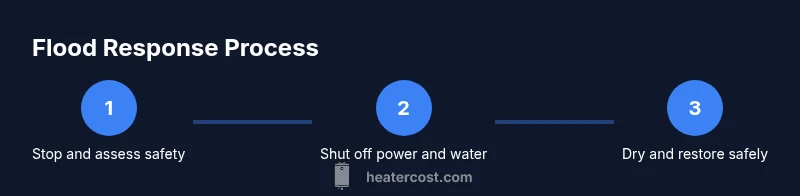
Your first priority is safety and limiting damage. The Heater Cost team recommends acting calmly and following a clear sequence: (1) locate the main electrical panel and emergency shutoffs, (2) ensure everyone in the vicinity is safe, and (3) prepare to shut off power and water to the unit. If you can reach the breaker without stepping into water, switch off the appropriate circuit. If water covers outlets, do not touch them. Then move to shut off the cold-water supply to the heater and unplug any nonessential electronics nearby.
After you cut power and water, ventilate the space if you can do so safely, and remove valuables from the area. Do not attempt to re-energize the system until a professional has inspected it. Keeping notes of the time of the flood and any symptoms you observe helps with insurance claims and future prevention.
In many homes, the flood damage is not just about the tank but the surrounding area. Shut doors to contain the moisture and prevent mold spread to living spaces. If you need to navigate through a wet area, wear waterproof boots and keep a flashlight handy. By following these steps, you reduce the risk of injury and make the recovery process smoother for you and your property.
Assessing damage and deciding on next steps
Damage assessment focuses on safety, structural impact, and the condition of the water heater. Check the electrical panel for moisture or scorch marks, listen for buzzing or popping sounds, and inspect the venting system for signs of leakage if you have a gas heater. If the unit has sustained visible rust on fittings or the tank, plan for replacement rather than repair—this is a common outcome after significant exposure. Heater Cost analysis shows that costs vary by heater type and extent of water exposure, but delaying assessment increases the risk of hidden mold and corrosion.
Consider the location and materials around the heater. If the floodwater included contaminants from outdoor sources or sewage, the cleanup will require additional precautions and possibly professional remediation. Take photographs of damage for your records and insurance claims. A professional assessment helps you determine whether the heater can be salvaged, requires replacement, or needs nearby piping repair to prevent a repeat incident.
Cleaning up safely and preventing mold
Once the area is safe, begin cleanup and drying to prevent mold growth and lingering odors. Remove standing water with a sump pump or wet-dry vacuum if you have the right equipment, then mop and wipe surfaces with a disinfectant suitable for kitchens or bathrooms. Move damp materials to a ventilated area for drying, and run dehumidifiers or high-capacity fans to speed moisture removal. Monitor humidity levels and check for musty smells over the next days; mold often appears where moisture remains after a flood. According to Heater Cost, thorough drying is essential for overall safety and cost containment.
After initial cleanup, inspect any insulation or drywall that may have absorbed water. Damaged materials should be removed and disposed of properly. If you notice persistent dampness behind walls, you may need a professional moisture survey. Maintaining dry conditions around the heater reduces odor, extends equipment life, and lowers post-flood repair costs.
When to call professionals
In many cases you should call a licensed plumber to inspect the water heater and nearby piping after a flood. If gas lines are involved, contact the gas company before attempting any repairs. An electrician should assess any water exposure to electrical components, outlets, or the service panel. If you lack the tools or confidence to perform safe draining or you detect active leaks, do not delay—professional help reduces risk and ensures code compliance. The Heater Cost team emphasizes timely professional assessment to prevent future problems.
Additionally, if the flood affects the furnace or HVAC system, a broader home system check may be warranted. A licensed professional can verify vent integrity, electrical safety, and structural dry-out, easing your insurance process and ensuring you won’t encounter repeat issues after the next heavy rain or freeze-thaw cycle.
Preventing future floods: maintenance and installation checks
Prevention is cheaper than repair. Regular maintenance includes inspecting the relief valve, testing the pressure and temperature settings, and ensuring a properly installed drain pan and condensate lines if your unit sits in a garage or basement. Consider installing an expansion tank and a secondary containment drain to catch potential leaks. Schedule annual inspections and address any corrosion, mineral buildup, or faulty fittings promptly. The Heater Cost team recommends proactive maintenance as a key defense against costly water damage.
Keeping the area around the heater dry and accessible also helps you spot issues early. Clear clutter, dark corners, and dust can obscure signs of moisture or corrosion. When in doubt, schedule a quick professional check-up after extreme weather, a burst pipe, or any flood event. Proactive care keeps your heating system running efficiently and reduces the chance of costly emergency repairs.
Tools & Materials
- Flashlight(Waterproof or battery-backed; keep spare batteries)
- Rubber gloves(PVC or latex; pair for each person involved)
- Safety goggles(Protect eyes from splashes and debris)
- Screwdriver set(Flathead and Phillips; for panel screws and valves)
- Wrench or pliers(Adjustable preferred; used on valves and fittings)
- Bucket(For draining or catching spills)
- Siphon or wet-dry vacuum(To remove standing water quickly)
- Mop, towels, and scrub brush(For cleanup and drying surfaces)
- Fan(s) or dehumidifier(Speed up moisture removal; keep running until dry)
- Disinfectant solution(Use products safe for kitchens/bathrooms; follow label)
- Drain hose(Attach to tank drain valve if available)
- Plumber’s tape or sealant(For minor resealing if advised by a pro)
Steps
Estimated time: 60-90 minutes
- 1
Ensure safety and alert others
Survey the area for hazards such as exposed wiring or gas smells. Evacuate if there’s any immediate danger and warn others in the home. This step prevents injury and purchase time for a safe response.
Tip: If you smell gas, leave immediately and call the gas company from a safe location. - 2
Power off the electrical supply to the heater
Locate the correct circuit at the main panel and switch off the breaker that feeds the water heater. Do not reach for switches if water is pooled near outlets. Verifying power is off prevents shock and electrical fires during cleanup.
Tip: Use a flashlight rather than touching wet switches; verify no power at the outlet with a tester if available. - 3
Shut off the cold-water supply valve
Close the valve that feeds water into the heater to stop more water from entering the tank. This halts ongoing flooding and reduces the risk of further damage to the heater and surrounding areas.
Tip: If you can’t locate the valve, contact a professional rather than forcing access. - 4
Drain the tank safely (if you can do so safely)
Attach a hose to the drain valve and open it slowly to relieve pressure and drain water into a safe area. Do not force the valve open if it feels stiff. Draining helps minimize dilution of insulation and potential tank damage.
Tip: Do this only if you can stand on dry ground and avoid inhaling any vapors around the unit. - 5
If applicable, shut off gas supply to the heater
For gas water heaters, turn off the gas at the valve if you can do so without stepping into water. This step prevents ignition of any accumulated gas and makes it safer for professionals to inspect later.
Tip: If you’re unsure about gas safety, do not attempt this; wait for a licensed technician. - 6
Document damage and contact insurers
Take photos of the heater and surrounding damage from multiple angles. Record the time and any observed issues to support insurance claims and repairs. This documentation speeds up the process and helps with replacements or reimbursements.
Tip: Keep a log of actions taken and any communications with insurers or contractors. - 7
Dry, disinfect, and arrange professional inspection before re-energizing
Set up fans and a dehumidifier to dry the space, wipe surfaces with a suitable disinfectant, and remove damp materials. Do not re-energize or restart the heater until a licensed plumber or electrician clears the system. Schedule an inspection to verify safety and proper operation.
Tip: Run dehumidification for at least several hours and monitor for persistent moisture or odors.
Got Questions?
What should I do first if my water heater floods?
Prioritize safety: turn off power, gas if applicable, and water supply. Remove people from danger and minimize ongoing water flow before assessing damage or calling a professional.
First, ensure safety by disconnecting power and water to the heater, then move people away from danger and call a professional if needed.
Can I drain and restart the water heater by myself after a flood?
Draining and restarting should be done only after a professional inspects the unit. Electrical or gas safety concerns, corrosion, and hidden damage can create serious risks if you attempt it without proper checks.
Restarting a flooded heater without a pro check is risky; have it inspected first.
Is it safe to use water from a flooded water heater for cleaning or flushing?
Do not rely on or reuse water from a flooded heater. Floodwater can carry contaminants. Use clean water sources for any cleaning tasks and have the system inspected before reconnecting.
Avoid using water from the flooded heater until a professional confirms it’s safe.
How long does mold remediation take after a water heater flood?
Removal times vary with space size and moisture levels. Timely drying and professional remediation reduce risks and shorten timelines, but plans should be guided by on-site assessments.
Mold remediation time varies; act quickly and rely on professionals for an accurate timeline.
Should I replace the water heater after a flood?
If there’s visible tank damage, rust, or compromised fittings, replacement is often the safer option. A professional evaluation will determine whether repair or replacement is best.
If the tank shows damage, replacement is usually the safer choice after a flood.
What about insurance claims for flood damage to a water heater?
Document damage, keep receipts for cleanup, and contact your insurer promptly. Provide photos and notes from inspections to support your claim and expedite processing.
Document everything and file your claim with photos and inspection notes.
Watch Video
The Essentials
- Act fast to minimize damage and mold risk.
- Shut off power and water before touching the unit.
- Dry thoroughly and document damage for claims.
- Call professionals promptly for safety and compliance.