How to Run a Furnace When Power Is Out
Learn practical steps to stay warm during a blackout, whether a furnace can run without power, safety tips, backup heating options, and pre-outage planning from Heater Cost.


During a power outage, a typical gas or electric furnace cannot operate because the ignition and blower rely on electricity. If your home has a standby generator with a proper transfer switch, you may power the furnace temporarily; otherwise, heat delivery stops and you’ll need alternative sources. Plan with a licensed electrician and keep safety devices like CO detectors in good working order.
Understanding why furnaces can’t run without power
According to Heater Cost, most home furnaces rely on electricity for the ignition sequence and the blower motor. When the power goes out, the furnace cannot start or move heated air through the ducts, so you won’t get heat from the unit even if the gas valve is technically able to open. This is why outages typically mean a cold home unless you have backup heat or a generator supplying essential loads. Understanding this distinction helps homeowners plan ahead rather than guessing in the moment. In 2026, Heater Cost analysis emphasizes proactive outage preparedness as part of a smart home heating strategy.
Safety first: CO and ventilation during outages
Carbon monoxide (CO) risks rise when heating sources are used differently during a blackout. If you’re relying on alternative heat, ensure you have working CO detectors in sleeping areas and living spaces, with fresh batteries installed. Never burn fuels like kerosene or propane indoors without proper ventilation and an approved heater designed for indoor use. Keep doors and windows slightly open where safe to improve ventilation, but never bypass furnace safety features or operate uncertified devices. The Heater Cost Team stresses that safety devices and clearances are more critical than ever during power outages.
How to identify your furnace type and what it means for outages
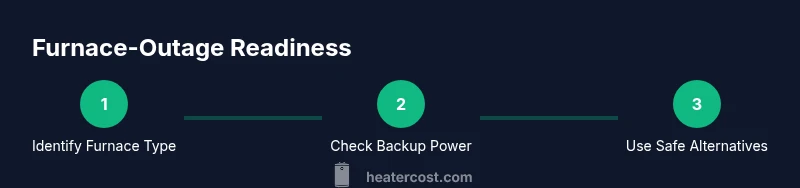
Check your furnace label, user manual, or the manufacturer’s website to determine ignition type (electric vs. standing pilot) and whether the blower is electric. Most modern systems rely on electricity for ignition and fan operation, meaning a power outage will disrupt heat delivery. If your unit has a standing pilot, it may light manually in some older setups, but this is not universal and often unsafe to attempt without guidance from a technician. Knowing your specific model helps you decide between backup heating options and professional support.
If your home has a standby generator: safe operation tips
A standby generator with a proper transfer switch can restore essential loads, including your furnace, during a power outage. Ensure the generator is installed by a licensed electrician and kept outdoors to avoid monoxide buildup. Use heavy-duty, outdoor-rated cords and never backfeed your home’s electrical panel. Start the generator only after all connections are secure, and test CO detectors to confirm safe operation before powering HVAC systems.
The generator basics: transfer switches, fuel safety, and CO detectors
A transfer switch isolates your home circuits from the utility, preventing dangerous backfeed and protecting utility workers. If you’re considering generator power for your furnace, work with a licensed electrician to size the generator for the load and install the switch. Store fuel safely in approved containers, away from living spaces, and ensure your CO detectors are functioning after any outage to detect residual gas or fumes from alternative heating sources.
Using alternative heating sources safely during outages
When the furnace can’t run, you may rely on space heaters, wood stoves, or propane heaters with proper ventilation. Follow manufacturer instructions, keep heaters at least 3 feet from combustibles, and never run cords under rugs or through doorways where they can overheat. CO detectors should be placed in occupied rooms, and never leave heaters unattended, especially around children or pets. Heater Cost’s guidance highlights avoiding reliance on unvented devices as a primary heat source during outages.
Practical steps to minimize heat loss before an outage hits
Seal gaps around doors and windows with weatherstripping, add door sweeps, and insulate hot water pipes to reduce heat loss. Set the thermostat to a conservative baseline that reduces heat demand when you anticipate a blackout, and close-off unused spaces to concentrate warmth where people spend time. Draft stoppers, thick curtains, and wearing layered clothing can make a noticeable difference in comfort without increasing energy risk during a power outage.
What to do during an outage if the furnace can’t run
Move to rooms with the best insulation, use alternative heat sources with proper ventilation, and maintain safe CO detector operation. Keep doors closed to retain heat and wear warm clothing to minimize risk of cold exposure. If you’re using a generator for heating, ensure it remains outdoors with proper exhaust venting and never run it inside a garage or covered area. Stay tuned to power restoration updates from your utility provider and Heater Cost’s outage guidance.
After power returns: restarting your furnace safely
Once power is restored, wait a few minutes for electrical systems to stabilize before attempting to restart the furnace. Check for any error codes on the furnace display and reset the thermostat as needed. If you notice odd smells, smoke, or persistent trouble starting, contact a licensed HVAC professional to inspect the system before resuming normal use. This pause helps prevent damage and ensures safe operation with fresh air and heat distribution restored.
Upgrades to be outage-ready: standby generator and backup options
If outages are common in your area, consider a whole-home standby generator installed with a dedicated transfer switch for uninterrupted heat. Alternatively, a battery backup for critical components (or a professionally wired backup system) can provide safe, short-term operation. Evaluate the cost, maintenance, fuel availability, and safety considerations before purchasing, and plan a phased approach aligned with your home’s heating needs and budget.
Budgeting and cost considerations during outages
Outages can disrupt schedules and raise costs for temporary heating options. Create a plan that accounts for generator fuel, portable heaters, and potential home energy upgrades. Compare a one-time generator installation against long-term improvements like improved insulation or a dedicated backup power system. Heater Cost emphasizes evaluating total cost of ownership, not just upfront price, to ensure a sustainable solution for your heating needs.
Tools & Materials
- Flashlight with fresh batteries(Night exposure during outages)
- CO detector (battery-powered)(Place in living spaces and near furnace)
- Owner's manual for furnace/HVAC(Identify ignition type & blower details)
- Portable space heater (indoor-rated)(Use only with ventilation and clearance)
- Standby generator with transfer switch(Licensed electrician installation recommended)
- Heavy-duty extension cords(Outdoor-rated, GFCI where required)
- Draft stoppers and door sweeps(Minimize heat loss in unused rooms)
- Warm clothing and blankets(Layer up for comfort during outages)
Steps
Estimated time: 2-3 hours
- 1
Identify your furnace type and outage impact
Find the furnace model on the label and locate the ignition type (electric vs standing pilot). Read the manual to confirm whether ignition, blower, and controls require power to operate. This knowledge guides whether backup heat is feasible and what safety steps to take.
Tip: If you’re unsure, treat the system as non-operational during a power outage and prepare alternatives. - 2
Assess backup power options (generator transfer)
If you have a standby generator with a transfer switch, ensure it is connected to essential HVAC circuits and started safely according to the installer’s instructions. Do not attempt to backfeed or power the furnace directly from a generator without a transfer switch.
Tip: Verify fuel supply and run a test while power is available so you know it works when a blackout occurs. - 3
Boost safety: check CO detectors and ventilation
Verify all CO detectors are functional and placed in living spaces near the furnace and bedrooms. Ensure there is adequate ventilation if you use alternative heat sources to prevent CO buildup.
Tip: Test detectors monthly and replace batteries as needed. - 4
Seal and insulate to reduce heat loss
Seal gaps around doors and windows with weatherstripping and use heavy curtains to minimize heat loss. Reducing drafts helps maintain comfort when the heating system is down.
Tip: Close off unused rooms to concentrate warmth in occupied spaces. - 5
Set up safe alternative heat sources
If you’ll rely on space heaters or propane heaters, place them away from combustibles and never leave them unattended. Ventilate as required and follow manufacturer safety guidance.
Tip: Keep a 3-foot clearance around heaters and use outlets with proper circuits. - 6
Power on with generator (if applicable)
Only power HVAC with a transfer switch or professionally wired backup system. Run cords through outdoor-rated outlets and avoid overloading circuits.
Tip: Never plug a generator into a wall outlet or power strip—this is backfeeding and dangerous. - 7
Reset and restart after power returns
When power is restored, reset the thermostat and allow the furnace to cycle normally. Look for any fault codes and contact a technician if issues persist.
Tip: Give the system a few minutes to stabilize before turning on full heating. - 8
Schedule professional inspection
Arrange a post-outage HVAC check to ensure there’s no hidden damage from the outage or relief devices used during the event.
Tip: Keep a maintenance log to track outages and service actions. - 9
Consider long-term resilience upgrades
Explore whole-home standby generator options, battery backups for essential systems, and improved insulation to reduce outage impact.
Tip: Cost the project across years to determine the most economical upgrade path.
Got Questions?
Can I run my furnace during a power outage?
In most homes, a furnace won’t run without power because the controls and blower need electricity. If you have a standby generator with a proper transfer switch, you may power the furnace temporarily; otherwise heat delivery stops. Always consult a licensed electrician before attempting any backup power solution.
Most furnaces won’t run during a power outage because they need electricity for ignition and the blower. If you have a safe backup power setup with a transfer switch, you may power the furnace; otherwise use safe alternatives.
Will a standing pilot gas furnace work without electricity?
A standing pilot gas furnace may light without electricity, but the blower and electronic controls typically require power. Without power, you won’t get heated air delivered to rooms. Do not rely on manual ignition unless the manufacturer guidance explicitly allows it.
A standing-pilot furnace might light, but the blower and controls usually need power, so heat delivery may not occur.
Is it safe to use a portable space heater during an outage?
Portable space heaters can help, but they must be used with caution: keep them away from combustibles, never leave them unattended, and ensure proper ventilation if using propane or unvented units. CO detectors should be active and batteries fresh.
Yes, but use space heaters carefully—keep them away from flammables and never leave them unattended.
Should I install a home standby generator for heating?
If outages are frequent or prolonged, a whole-home standby generator with a transfer switch can keep essential loads, including heating, running during a blackout. Consult a licensed electrician to determine the right size and configuration for your home.
A standby generator with a transfer switch can keep heating during outages, but you’ll need professional sizing and installation.
How can I minimize heat loss during outages?
Seal leaks, close off unused rooms, and use heavy curtains to limit heat loss. Wearing warm clothing and layering blankets also reduces the need for intense heating during a power outage.
Seal leaks and dress in layers to stay warm when heating is limited.
What should I do after power returns?
When power comes back, reset the thermostat, check for error codes, and arrange a quick HVAC check if anything seems off. Avoid running the furnace immediately if you smell gas or notice unusual operation.
After power returns, reset the thermostat and check for issues. Contact a pro if anything seems off.
Watch Video
The Essentials
- Know your furnace type to assess outage viability
- Use a proper transfer switch when powering HVAC with a generator
- Prioritize CO safety and proper ventilation
- Seal gaps to minimize heat loss during outages
- Plan upgrades for longer-term outage resilience