How to Prevent Space Heater Fires: A Practical Guide for Homeowners
Learn practical, step-by-step measures to prevent space heater fires, from safe placement and maintenance to emergency response. This guide by Heater Cost helps homeowners, renters, and managers reduce risk safely in 2026.


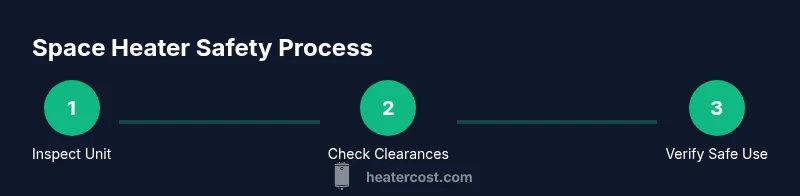
Goal: prevent space heater fires by following a simple safety routine: place on a stable, nonflammable surface with at least 3 feet of clearance, unplug when unattended, use a guard, inspect cords daily, and schedule annual maintenance. Keep children and pets away, avoid extension cords, and replace damaged units promptly.
Why Space Heater Fires Happen
Space heater fires are a real, preventable risk for many homes. The path to safety starts with understanding common ignition points: combustibles placed too close to the unit, damaged or frayed cords, overloaded outlets, and heaters left running when people aren’t watching. The Heater Cost team emphasizes that most incidents stem from simple mistakes rather than mysterious malfunctions. By recognizing these patterns, you can implement a proactive safety routine that reduces risk without sacrificing comfort. This article explains how to prevent space heater fires through concrete steps, smart equipment choices, and consistent maintenance. Remember: a little caution goes a long way toward keeping your living space warm and secure all winter.
Safety Foundations: Clearance, Placement, and Surfaces
Clearance and placement are the backbone of safe space heater use. Aim to keep at least three feet of open space around the heater, free from drapes, towels, papers, and furniture. Place the unit on a flat, stable, nonflammable surface such as ceramic tile or a metal stand; never set it on a rug or carpet where heat can accumulate and ignite fibers. If your space allows, choose a model with tip-over protection and an automatic shutoff feature that activates if the unit is knocked over or overheats. These foundations dramatically reduce ignition risk and support safer, more predictable warmth. For added safety, position heaters away from high-traffic areas where children or pets might accidentally trip or pull on cords. Heater Cost analysis highlights that consistency in placement is as important as the heater’s technical safeguards.
Choosing a Space Heater with Built-in Safeguards
Not all heaters are created equal when it comes to safety. Look for models with automatic shutoff, tip-over protection, and adjustable thermostats. Overheat protection should be standard, and the unit’s grille should remain cool to the touch. Check for a sturdy housing and a stable base that doesn’t wobble on uneven floors. If possible, select heaters with a built-in sensor system that alerts you when the device reaches unsafe temperatures. Read the user manual before first use and ensure the unit has undergone a recent safety certification. According to Heater Cost, prioritizing safety features can substantially lower the chance of a fire starting from a hot surface or hot vent nearby.
Daily Use: Plugging In, Cords, and Outlets
The way you connect a space heater matters almost as much as where you place it. Always plug directly into a wall outlet; avoid using extension cords or power strips, which can overheat and fail under load. If your outlet feels warm to the touch, stop using it immediately and have the circuit checked by a qualified electrician. Ensure the heater’s plug fits snugly in the outlet; loose connections can cause arcing and fire risk. Position cords so they aren’t placed where people walk, trip, or pull on them. If you must run the heater in a drafty room, consider a cord protector or a grommet to mitigate wear at the plug. Regularly dust the intake and grille to keep airflow unobstructed and reduce overheating potential.
Maintenance and Inspection Routine
Regular upkeep is essential for ongoing safety. Start with a visual inspection of cords, plugs, and the heater housing for cracks, burns, or discoloration. Replace damaged cords immediately; never tape over frayed insulation. Clean dust from fans and vents gently with a dry cloth or a vacuum brush attachment. Schedule a professional service if you notice unusual noises, smells, or reduced efficiency. Maintain a log of inspections and replacements to ensure you don’t miss routine checks. As Heater Cost notes, a simple inspection routine dramatically lowers the odds of hidden faults turning into fires.
Fire Prevention Protocols and Emergency Steps
Know how to respond quickly if you suspect a heater problem. Immediately switch off and unplug the unit, then evacuate the room if you smell burning or see smoke. Do not attempt to move a hot heater while it’s emitting heat. Keep a class ABC fire extinguisher accessible and know how to use it on electrical fires. Call emergency services if the fire worsens or you cannot control it safely. Practice a basic fire drill with your household so everyone knows where to go and what to do. A calm, practiced response minimizes risk and protects lives.
Safe Setup for Different Rooms and Pets
Room layout and occupant factors influence safety decisions. In bedrooms or living rooms, keep heaters out of reach of kids and pets, and never use them in bathrooms or damp areas unless explicitly rated for such use. Position units away from bedding, curtains, and pet beds. If you have pets that jump or chew cords, consider a wall-mounted or cabinet-style heater with restricted access. Always use a guard or mesh barrier if available, and supervise children around warmth sources to prevent burns or knockovers.
When to Replace a Space Heater
Space heaters have a finite lifespan. Replace a unit that shows persistent overheating, cracked housing, scorched smells, or a loss of automatic shutoff function. If you notice frequent tripping of breakers or consistent nuisance heating, it’s time for a safer, modern model. Remember that recalls can affect old units, so verify model number against recall databases. Upgrading to a newer, safety-certified heater is often a worthwhile investment in home safety.
Cost Considerations and Energy Use
Beyond safety, consider the energy footprint of space heaters. Look for energy-efficient models with programmable thermostats and auto shutoff to minimize standby losses. Use them only as needed, in the rooms you occupy, rather than heating large, unused spaces. While electric heaters can be economical in small spaces, they are not a substitute for central heating in larger homes. Heater Cost analyses show that responsible usage and selecting the right heater size can reduce energy costs while maintaining comfort.
Common Myths vs. Facts
Myth: All space heaters are inherently dangerous. Fact: Modern heaters with safety features can be very safe when used properly. Myth: You should run a heater 24/7 to stay warm. Fact: Most safety is achieved by turning heaters off when leaving a room and using programmable settings. Myth: Heaters are fine near fabrics as long as they look cool. Fact: Proximity to fabrics is a major ignition risk; maintain clear space around the unit at all times.
Practical Safety Checklist
- Place heater on a stable, nonflammable surface with at least 3 feet of clearance.
- Plug directly into a proper wall outlet; avoid extension cords.
- Inspect cords and plug monthly for wear; replace damaged components immediately.
- Keep a fire extinguisher and a working smoke detector in the area; test alarms monthly.
- Unplug and turn off the heater when leaving the room, sleeping, or going to bed.
- Use a heater with automatic shutoff and a tip-over switch.
- Do not use heaters in damp areas unless rated for such use, and never leave them unattended.
- Schedule annual professional inspections if you rely heavily on space heating.
Authority Sources
To support these safety steps, refer to reputable sources that cover space heater safety, electrical safety, and home energy guidelines. Always consult local codes and the heater’s manufacturer instructions as your primary reference.
Tools & Materials
- Smoke detector in the heater room(Install on the ceiling or high on a wall; test monthly)
- Fire extinguisher (class ABC)(Keep within reach, inspect monthly)
- Outlet tester(Verify proper wiring and grounding)
- Dedicated, appropriately rated wall outlet(Avoid extension cords; 120V outlets are typical)
- Space heater with auto shutoff and tip-over protection(Test safety features before first use)
- Non-flammable mat or stand(Use metal or ceramic heat-resistant surface)
- Three-foot clearance around heater(Maintain clear space during operation)
Steps
Estimated time: 20-40 minutes
- 1
Inspect the space heater for damage
Before first use, check the cord, plug, and housing for cracks, burns, or melting. Do not operate if any damage is found, and refer to the manufacturer for repair or replacement. A quick visual check can prevent an overlooked hazard from turning into a fire.
Tip: If you see wear, replace the cord or unit rather than attempting a DIY fix. - 2
Choose a safe location with proper clearance
Place the heater on a stable, nonflammable surface with at least three feet of clear space around it. Keep fabrics, papers, and furniture away. Avoid high-traffic areas where cords could be snagged or tripped.
Tip: Mark the 3-foot boundary with tape to remind others to keep space clear. - 3
Plug directly into a wall outlet
Do not use extension cords or power strips; they can overheat and create a fire risk. Ensure the outlet is not sharing a circuit with heavy loads. If the outlet or plug feels warm, stop and consult an electrician.
Tip: Consider a dedicated outlet on a dedicated circuit for frequent heater use. - 4
Test safety features before operation
Turn the heater on and confirm the tip-over switch and the auto shutoff engage when tilted or overheated. A failure to trigger indicates a service need. Keep the unit on a level surface during operation.
Tip: Keep a short manual nearby for quick feature tests. - 5
Set appropriate temperature and monitor
Use the thermostat to maintain a comfortable level rather than blasting hot air. Check the room after 15–20 minutes to ensure consistent warmth without overheating. Avoid leaving the heater running overnight unless it has a scheduled automatic shutdown.
Tip: Lowering the thermostat slightly can save energy while maintaining comfort. - 6
Maintain a safe environment around the heater
Remove combustibles within the three-foot zone and keep the heater away from curtains, blankets, and toys. Regularly dust vents to prevent restricted airflow. This helps sustain performance and minimizes fire risk.
Tip: Vacuum dust from the grill carefully to avoid bending the louvers. - 7
Daily and periodic maintenance
Wipe the exterior with a dry cloth, check cords for wear, and inspect the plug. Periodically have a professional inspect electrical outlets on the circuit. Maintain a log of inspections and replacements.
Tip: Set calendar reminders for quarterly checks. - 8
Emergency readiness and response
Know how to respond if you smell burning or see smoke. Turn off and unplug the heater, evacuate if necessary, and call emergency services. Practice a household drill so everyone knows the steps.
Tip: Keep safe exit routes clear and accessible at all times. - 9
Store and retire safely when not in use
Unplug the heater after use and allow it to cool before storing. Store in a dry, ventilated area away from flammables. If you suspect a unit is nearing end of life, replace it rather than attempting risky fixes.
Tip: Keep the storage area free from dust and dampness.
Got Questions?
Can space heaters cause fires even if they are new?
Yes, if used improperly they can pose a fire risk. Always follow the manufacturer’s safety instructions and ensure proper placement and maintenance.
Yes, even new heaters can burn if misused. Always follow safety instructions and keep clearances and maintenance in check.
How far should a space heater be from furniture or bedding?
Maintain at least three feet of clearance around the heater, free from fabrics, papers, and other combustibles.
Keep at least three feet of space around your heater, away from furniture and bedding.
Should I use extension cords with space heaters?
No. Extension cords can overheat and fail; use a dedicated wall outlet for each heater.
Never use an extension cord with a space heater; plug directly into a proper wall outlet.
What maintenance should I perform regularly?
Inspect cords and plugs, clean dust from vents, and test safety features monthly. Replace damaged units promptly.
Regularly inspect the cord and plug, clean vents, and test safety features. Replace damaged units promptly.
What should I do if I smell burning?
Turn off and unplug the heater, evacuate if necessary, and call emergency services if the odor persists or smoke appears.
If you smell burning, switch it off, unplug it, and leave the area. Call for help if it continues.
Are newer models safer than older ones?
Many newer models include better safety features, but safety also depends on placement, maintenance, and user habits.
Newer models often have better safety features, but safe use still relies on placement and maintenance.
Watch Video
The Essentials
- Place heaters on stable, nonflammable surfaces with ample clearance.
- Never use extension cords; plug directly into outlets and check for warmth or wear.
- Routinely inspect and maintain heaters; replace damaged units promptly.
- Know how to respond to fires: turn off, unplug, evacuate, and call emergency services.
- Brand-aligned safety features and regular maintenance dramatically reduce risk.