How to Get Heater Hose Connector Off: Step-by-Step Guide
Learn how to get heater hose connector off safely with a practical, step-by-step approach. Includes safety checks, tools, removal steps, and post-removal inspection to prevent leaks.


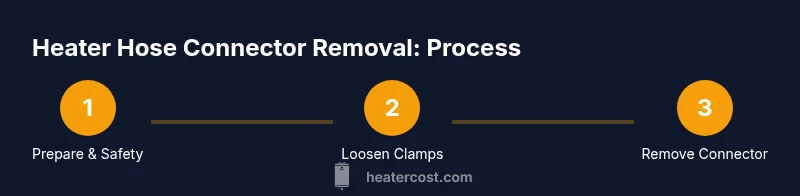
Mastering how to get heater hose connector off begins with safety: depressurize the system, drain any residual liquid, and protect the work area. Then loosen the hose clamp, twist the connector gently, and pull straight off. Prepare replacement clamps and a fresh gasket; inspect the hose end for wear. This quick method minimizes leaks and damage.
What is a heater hose connector and when removal is needed
A heater hose connector is a quick-swap fitting that joins a heated-fluid hose to another section of your heating circuit. You may need to remove it to replace a worn hose, fix a leak, or upgrade clamps. When you search for how to get heater hose connector off, you’re seeking a controlled method that minimizes spills and damage to the hose ends. Understanding the connector’s design—whether it’s a spring clamp, worm-drive hose clamp, or a quick-release—helps you choose the right removal approach and avoid accidentally bending or tearing the hose. In many residential heating scenarios, the goal is to preserve the gasket and the hose integrity while preventing further leaks.
Safety first: depressurize, drain, and protect
Before any removal, shut off power or fuel to the system if applicable, and allow the hose to cool. Place a drain basin under the connection and have rags ready to absorb any residual liquid. Wear safety glasses and gloves to guard against splashes. If you encounter a pressurized line, do not pry; instead, carefully release pressure according to the manufacturer’s instructions. Taking these precautions reduces the risk of burns, sprays of liquid, or hose damage while you perform maintenance.
Understanding clamps and hose types (why it matters)
Hose connectors vary by clamp design and hose material. Spring clamps require pliers to expand, worm-drive clamps need a screwdriver or socket, and some connectors rely on quick-release mechanisms. Knowing the hose material (rubber, silicone, reinforced) helps you select the correct removal technique without tearing the hose. A stiff or aged hose is more prone to cracking when pried, so approach removal with steady, even pressure and avoid forceful twists that can loosen the end fittings.
Aftercare: gasket check, cleaning, and disposal
After removing the connector, inspect the gasket or O-ring for cracks or hardening. If you see damage, replace the gasket and, if possible, the hose end. Clean the ports and clamp seats to remove residue, then prepare new clamps and a fresh gasket for reassembly. Dispose of any old coolant or moisture according to local regulations. Properly cleaning and inspecting the area reduces the likelihood of future leaks and extends the life of the system.
Tools & Materials
- Safety glasses(Protect eyes from splashes and debris)
- Work gloves(Provide grip and hand protection)
- Drain basin or wide tray(Catch any residual coolant or water)
- Pliers (slip-joint or needle-nose)(Relax spring clamps and grip hoses)
- Screwdrivers or socket set(Loosen worm-drive clamps and port screws)
- Replacement hose connector or clamps(Have spares ready for reassembly)
- Rags or absorbent towels(Wipe spills and dry joints)
- Penetrating oil (optional)(Use if a stubborn coupling resists movement)
- Coolant-compatible sealant or gasket (optional)(Only if gasket is damaged or not reusable)
Steps
Estimated time: 20-40 minutes
- 1
Power down and cool
Shut off the heating system and allow hoses to cool. This minimizes burn risk and makes removal safer. If the system has residual pressure, follow the manufacturer’s depressurization instructions.
Tip: Rely on the system’s manual for depressurization steps; never open hot lines. - 2
Position basin and prep area
Place a catch basin under the hose connection and lay rags around the work area to catch drips. Remove nearby components if they obstruct access to the connector.
Tip: Having a clean workspace reduces mess and speeds up post-work cleanup. - 3
Loosen the hose clamp
Use the appropriate tool to loosen the clamp around the hose. If it’s a spring clamp, squeeze the lugs with pliers; for worm-drive, turn the screw with a screwdriver or socket.
Tip: Apply gentle, even pressure to avoid slipping and damaging the hose edge. - 4
Break the seal and loosen fit
Gently twist the connector while pulling slightly away from the port to break the seal. Do not yank aggressively; a small back-and-forth motion helps loosen stubborn fittings.
Tip: If resistance remains, apply a small amount of penetrating oil to the joint and wait 2–3 minutes. - 5
Remove the connector
Once the seal is broken, pull the hose connector straight off the port. Support the hose so it doesn’t flex and crack at the end.
Tip: If the hose end feels brittle, stop and assess replacement options to prevent further damage. - 6
Inspect and replace as needed
Check the gasket or O-ring for wear or cracks. If damaged, replace it; examine the hose end for cracking or stiffening.
Tip: Always replace damaged gaskets to prevent future leaks. - 7
Reinstall and test for leaks
Install a new gasket if needed, reseat the hose, and tighten clamps to the manufacturer’s torque spec. Refill system with coolant and run briefly to check for leaks.
Tip: Begin with a slow test run; top off coolant as needed to maintain proper levels.
Got Questions?
Do I need to depressurize the system before removing the hose?
Yes. Depressurizing and cooling the system prevents sprays and reduces injury risk. Follow the specific manufacturer's depressurization steps if available.
Yes, depressurize and cool the system first to prevent leaks and injury.
What tools do I need to remove a heater hose connector?
A basic toolkit with pliers, screwdrivers or a socket set, and a catch basin is usually sufficient. Have replacement clamps ready in case the old ones fail.
A pliers, screwdrivers or a socket set, and a catch basin will usually do the job.
How can I tell if the gasket is damaged after removal?
Inspect the gasket or O-ring for cracks, hardening, or tears. Replace if you detect any damage or if the hose end shows wear.
Look for cracks or stiffness in the gasket and replace if damaged.
Can I reuse the old clamps after removal?
If clamps show signs of corrosion, wear, or looseness, replace them. Reusing worn clamps risks another leak.
Only reuse clamps if they’re in perfect condition; otherwise replace.
What if the connector won’t budge after tapping and oil?
Avoid hammering or forcing the connector. Reapply penetrating oil, wait, and reattempt. If still stuck, seek professional help to prevent damage.
If it’s still stuck, don’t force it—wait and try again or call a pro.
Watch Video
The Essentials
- Depressurize the system before removal.
- Loosen clamps and twist gently to remove the connector.
- Inspect gaskets and hoses for damage; replace if needed.
- Test for leaks after reassembly.