How to Check Your Heater Core: Complete Step-by-Step Guide
Learn how to check heater core for leaks, clogs, and heat delivery problems. This educational guide covers non-invasive checks, safety tips, and when to seek professional service for car HVAC issues.


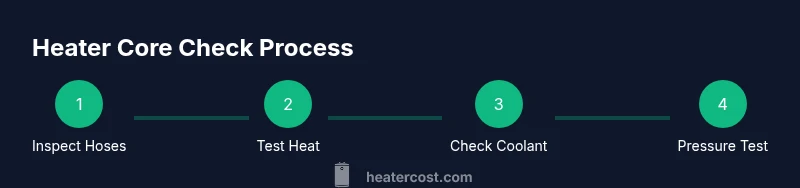
This guide shows you how to check your heater core for leaks, clogs, or poor heat delivery. You’ll inspect symptom indicators, test coolant flow, and safely verify heater operation before pursuing repairs. By following the steps, you’ll know whether the core needs flushing, replacement, or professional service.
What is a heater core and why check it?
The heater core is a compact radiator housed within your vehicle’s HVAC system. It transfers heat from engine coolant to cabin air, warming the interior when you turn on the heater. When the heater core leaks or becomes clogged, you may notice weak or uneven heat, a sweet coolant odor, damp spots on the dashboard, or fogged windows. Knowing how to check heater core helps you diagnose problems early, avoid costly repairs, and protect the cooling system. This section outlines the heater core’s role, common failure modes, and practical checks you can perform before diving into more invasive work. By recognizing signs of trouble and applying the right checks, you can decide whether a DIY inspection is enough or if you should call a professional for a precise diagnosis.
Signs the heater core may need attention and what they mean
Common indicators include a drop in cabin heat (especially on cold days), a sweet smell inside the cabin, or windows that fog up consistently. You might see coolant beneath the dash or notice a creamy residue near hoses. In some vehicles, a failing heater core causes engine overheating or coolant loss. While some signs point to the heater core, others can stem from related components like the thermostat, blend door, or radiator. This guide helps you differentiate heater-core symptoms from other HVAC or cooling issues and explains the checks that yield reliable clues.
- Weak or inconsistent cabin heat, especially when the engine is at normal operating temperature.
- Sweet-smelling or sugary coolant odor inside the cabin.
- Condensation or fogging on windows that doesn’t clear with defrost.
- Visible coolant leaks or dampness around the firewall or underdash area.
- Overheating engine or rapid coolant loss with no obvious external leak.
How the heater core fits into your vehicle’s cooling and HVAC system
Your vehicle’s cooling system circulates hot coolant from the engine to the heater core via hoses. The heater core transfers heat to the cabin air as the HVAC system blends warm air from the core with outside air. A clogged heater core or a leaking core disrupts this flow, reducing heat or allowing coolant to enter the cabin. Understanding this layout helps you follow logical diagnostic steps rather than guessing. This section maps the flow path, identifies critical connection points, and explains how pressure and temperature changes reveal core health.
- Coolant travels from the engine to the heater core through hoses and a supply valve.
- A blend door or heater control valve directs heated air through the cabin vents.
- A compromised core may leak into the dashboard area or fail to transfer heat efficiently.
- Pressure testing the cooling system can pinpoint weak points in hoses and the core itself.
Non-invasive checks you can perform before disassembly
Many heater-core issues can be preliminarily evaluated without removing dash panels. Start with a visual and odor check, then confirm heat delivery. These checks reduce unnecessary disassembly and help you decide whether to proceed.
- Inspect visible hoses for cracks, bulges, or dampness around the firewall.
- With the engine cool, look under the carpet or dash for coolant dampness or staining.
- Run the heater and feel the air from the vents; note if it remains cool, warm, or inconsistent.
- Check coolant level and condition; a low level or dirty coolant can indicate leaks or contamination.
- Use a flashlight to inspect connections and clamps for corrosion or looseness.
Safety considerations and when to bail to a pro
Working around cooling systems involves pressurized coolant and hot surfaces. Never open a hot cooling system; you can suffer burns from steam or hot liquid. Wear gloves and eye protection when inspecting hoses or clamps. If you detect a significant leak, strong sweet odor, or you’re uncomfortable with pressure testing, seek professional help. Some core failures require dash disassembly or specialized tools that are best handled by a technician. This section helps you assess risk before proceeding.
- Always allow the engine to cool before touching coolant components.
- Avoid introducing air into the cooling system through improper testing.
- Seek professional service for suspected core leaks, dash work, or stubborn heat issues.
What to expect from professional diagnosis or repair
If DIY checks point to a heater-core problem or you’re unable to draw a clear conclusion, a professional diagnosis can confirm core integrity and identify leaks or blockages. A technician may perform pressure tests, coolant dye testing, and, if needed, core replacement or system flushing. Expect a cost range based on vehicle type and labor rates, plus potential dash removal if access is required. This section prepares you for the typical repair workflow and helps you weigh DIY vs. professional service.
Tools & Materials
- Flashlight(Bright handheld flashlight to inspect under dash and heater area.)
- Rags or towels(To clean spills and wipe condensation during checks.)
- Safety gloves(Protect hands from coolant and sharp edges.)
- Notebook and pen(Record symptoms, readings, and steps taken.)
- Basic hand tools (socket wrench set, pliers)(If you need to reach hoses or clamps.)
- Coolant dye test kit (UV)(Optional for locating leaks with UV dye.)
- Vehicle service manual(Vehicle-specific guidance and cautions.)
Steps
Estimated time: 1-2 hours
- 1
Inspect external hoses and connections
With the engine cool, visually inspect all heater hoses and clamps where they connect to the firewall and engine. Look for dampness, staining, swelling, or crusty residue that suggests a leak. Document any findings before moving to the next step.
Tip: Take photos from multiple angles to track changes over time. - 2
Check heater output and cabin heat
Run the heater on high and feel the air from the dash vents. Note whether the air is hot, warm, or only slightly heated. Inconsistent temperature or no heat can indicate core restrictions, valve issues, or blend door problems rather than a core leak alone.
Tip: If heat doesn’t improve with engine warm-up, don’t force the system to avoid damage. - 3
Assess coolant level and condition
Check the coolant reservoir and radiator (when the engine is cold). A persistently low level or dirty, oily coolant can signal leaks or contamination from a compromised core. Record readings to compare over time.
Tip: Never open a hot radiator cap; wait for engine to cool. - 4
Perform a non-invasive pressure check (if equipped)
If you have a cooling-system pressure tester, attach it to the radiator or cap and monitor for rapid pressure drop while the system is cooled. A sudden loss indicates a leak that could involve the heater core.
Tip: Follow the tool’s instructions and wear eye protection. - 5
Inspect for interior signs of leakage
Look for damp carpet, sweet smell, or damp insulation inside the cabin near the firewall. This can indicate a heater core leak into the cabin area. If signs are present, plan for professional confirmation.
Tip: Even small drips can escalate, so schedule repairs promptly. - 6
Decide next steps and document findings
Based on the checks, decide whether to pursue DIY core flushing or replacement, or to schedule a professional assessment. Create a brief report of observed symptoms, readings, and photos for your technician.
Tip: Keep a log to track any changes after maintenance.
Got Questions?
What are the most common causes of heater core leaks?
Leaks typically arise from corrosion, vibration, or damaged hose connections. Over time, coolant exposure can wear through core fins or seals, leading to leaks and potential cabin moisture. Regular inspection helps catch early signs before major damage.
Leaks usually come from corrosion or worn connections; regular checks help you catch early signs before serious damage.
Can I flush the heater core myself, and is it safe?
Flushing a heater core is possible for some vehicles with the right tools, but it can be messy and may dislodge debris that damages other cooling components. If you’re unsure, consult a technician who can perform a controlled flush safely.
You can flush some systems yourself, but it’s safer to have a pro do it if you’re unsure about the procedure.
How can I tell the difference between heater core problems and thermostat issues?
If the engine coolant is circulating normally and the radiator remains hot while the cabin stays cold, thermostat or blend-door issues are more likely. A confirmed heater-core problem often accompanies coolant leaks or abnormal cabin moisture.
Cold cabin heat with a normal engine temperature usually points to thermostat or HVAC controls rather than the heater core.
Is heater core replacement expensive, and what affects the cost?
Costs vary widely by vehicle, core accessibility, and labor rates. Parts may range from modest to higher-cost cores, and labor can be a significant portion of the total. Ask for an estimated price range before any work.
Costs depend on your car and access to the core; ask for a range before the repair.
What safety steps should I take if coolant is leaking into the cabin?
Evacuate the area, avoid skin contact with coolant, vent the cabin if smell is strong, and have the vehicle towed to a shop. Don’t drive long distances with a coolant leak, as it can overheat the engine and cause further damage.
If there’s a leak, don’t drive long distances—safely tow it to a shop for diagnosis.
Watch Video
The Essentials
- Check for external leaks and heat output first.
- Non-invasive checks can save time and money.
- Professional help is advised for leaks or dash work.
- Document findings to aid diagnosis and cost estimates.