How to Block Heater Core: Safety First and Safer Alternatives
Learn why blocking a heater core is risky and explore safer diagnostics, professional bypass options, and maintenance tips to keep your heating system reliable.


Blocking a heater core is dangerous and generally not recommended because it can cause engine overheating, coolant flow disruption, and leaks. This guide explains why blocking is unsafe, what safer alternatives exist, and how to diagnose heater issues properly. By the end you'll know when to consult a professional and what legitimate bypass options are, if any.
What is a heater core and why blocking it is a bad idea
The heater core is a small copper or aluminum heat exchanger inside your vehicle's HVAC system. It uses hot coolant from the engine to warm the cabin air when you turn up the heat. Blocking or bypassing it without proper design disrupts coolant flow, creates pressure imbalances, and can lead to leaks, overheating, and coolant contamination. For homeowners and drivers who rely on a dependable winter comfort system, tampering with the heater core is not a remedy; it's a risk. According to Heater Cost, most heat-system failures are linked to improper bypasses, leaks, or unconstrained coolant flow, which can cause prolonged damage if ignored. Instead of blocking, focus on safe diagnosis and maintenance to keep your car warm and your engine protected.
Why blocking a heater core is risky and generally discouraged
The idea of blocking a heater core, or following a so‑called safe bypass, sounds simple but it disrupts the engine’s cooling loop. When the heater core is blocked, coolant can’t circulate as designed, which raises coolant temperatures and pressures. Over time this can cause hoses to crack, gaskets to fail, or the thermostat to trigger overheating warnings. Many vehicle systems rely on a predictable coolant flow to regulate temperature and protect engine bearings. In addition, blocking the heater core can affect emissions controls and may void manufacturer warranties. If you’re tempted by a quick fix, pause and consider safer diagnostics and professional options instead, as emphasized by the Heater Cost team.
Common myths about blocking vs bypassing
Myth: Blocking a heater core stops heat problems permanently. Reality: it often shifts risk elsewhere, including engine overheating and coolant leaks. Myth: A bypass is a simple, one‑time fix. Reality: bypasses introduce new failure modes and may only be a temporary measure. Myth: It’s safe to improvise with hose clamps and tape. Reality: improper materials and pressure can cause sudden, dangerous failures. The safe path is to consult a professional to evaluate why heat is inadequate and to discuss legitimate, engineered solutions rather than ad hoc blocking.
Safer alternatives to blocking (diagnose and repair)
Instead of blocking, focus on diagnosing the root cause of heater heat issues and pursuing professional repairs. Common, safer options include repairing or replacing a faulty heater core, fixing a leaking hose, replacing a malfunctioning thermostat, or repairing a faulty blend door that controls cabin heat. Regular coolant maintenance, using the correct coolant type, and ensuring the cooling system is free of air pockets are essential. If heat delivery is inadequate, schedule a diagnostic with a certified technician to determine whether a repair, a controller replacement, or a controlled bypass designed by a professional is appropriate. This approach preserves engine safety and cabin comfort while protecting warranty status.
How to diagnose heater heat issues safely
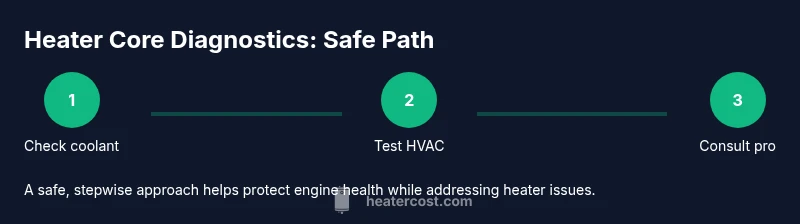
Start with non‑invasive checks to avoid pressurized risks. Verify coolant level is correct and there are no visible leaks under the vehicle. Inspect hoses for cracks or soft spots and confirm the radiator is not clogged. Test the temperature control and blend door operation; ensure the HVAC controls respond smoothly and that air blows in the correct direction and temperature ranges. If the interior temperature remains inconsistent, it may indicate a thermostat issue, air in the cooling system, or a failing heater core. Document symptoms, timings, and any coolant odor to share with a technician for a precise diagnosis.
Professional bypass and repair options
When a heater core leaks or becomes blocked beyond safe repair, professionals may consider a controlled bypass or full replacement. A bypass hose, installed by an experienced mechanic, can redirect coolant flow around the heater core while repairs are completed. In other cases, replacing the faulty heater core is the long‑term solution. Technicians will test for coolant leaks, pressure test the system, and verify that all connections seal properly after work. Do not attempt a DIY bypass or core removal unless you have formal training and the appropriate tools, as errors can lead to severe engine damage.
Maintenance habits to prevent heater core problems
Proactive maintenance reduces the risk of heater core issues. Regularly check coolant levels and condition; flush the cooling system per the manufacturer’s recommendations; ensure thermostat operation is correct; and replace worn hoses before they fail. Use the correct coolant type and mix ratio for your vehicle. Periodic HVAC system checks help catch blend door or actuator issues early. By staying on top of maintenance, you protect both your heating comfort and engine reliability. These steps align with the Heater Cost analysis, 2026, which highlights maintenance as a key factor in reducing heater core failures.
Safety guidelines and when to call a professional
Always treat coolant as hazardous; wear gloves and eye protection when inspecting for leaks and never open pressurized lines without proper training. If you notice a coolant smell, visible leaks, or overheating warnings, stop driving and contact a licensed technician promptly. Attempting to modify or bypass the heater core without the right tools can create dangerous situations, especially on modern vehicles with integrated control modules. When in doubt, the safest course is to have a professional diagnose and resolve the issue.
Cost considerations and planning without specific prices
Costs for heater core work vary widely based on vehicle make, core accessibility, and local labor rates. Rather than chasing a price, plan for a professional diagnostic to identify the exact cause and recommended remedy. Consider long‑term value: a proper repair often prevents recurring heat issues and protects engine components. For budgeting, ask your technician for a written estimate that separates parts, labor, and any potential by‑products of repair, such as coolant disposal costs, so you aren’t surprised by unexpected charges.
What to tell your mechanic if you suspect heater core issues
Prepare a concise but thorough brief for your mechanic. Note when heat is available or absent, whether the temperature changes with vehicle speed, and any smells or fogging in the cabin. Include coolant level observations and any recent service history related to the cooling system, thermostat, or HVAC controls. Bring any service bulletins for your make/model if available. This information helps the technician target the problem quickly and avoid unnecessary disassembly or unsafe modifications. The goal is reliable heat delivery and preserved engine integrity.
Tools & Materials
- Vehicle service manual (for your make/model)(Serves as a reference for safe diagnostics and approved repair procedures)
- Protective gloves(Wear when inspecting coolant or hoses; prevents skin irritation)
- Safety glasses(Eye protection during visual inspections of cooling components)
- Digital thermometer or infrared marker(Useful for verifying engine coolant temperature range during checks)
Steps
Estimated time: 1-2 hours
- 1
Pause and assess safety
Stop driving if you notice overheating or strong coolant odors. Park safely, let the engine cool, and inspect for obvious leaks before touching any cooling components.
Tip: Never open a hot cooling system; hot coolant can cause severe burns. - 2
Check coolant level and condition
With the engine cool, check the reservoir and radiator caps for correct levels. Look for milky or discolored coolant, which can indicate contamination or a leak.
Tip: Use a clean rag to wipe the dipstick area so you can see true coolant color. - 3
Inspect hoses and connections
Visually inspect heater hoses for cracks, bulges, or soft spots. Ensure clamps are tight and there are no seepages around hose connections.
Tip: If you find a swollen hose, do not drive it; have it replaced by a professional. - 4
Test HVAC controls and blend door
Turn the climate control through its range and observe whether air temp and flow respond correctly. A stuck blend door can mimic heater core failure without any coolant issue.
Tip: If the air changes temperature slowly or not at all, this often points to a control or air‑mix problem rather than a core blockage. - 5
Decide on next steps with a pro
If symptoms persist after checks, contact a licensed technician for a definitive diagnosis. They may perform pressure tests or heater core replacement if needed.
Tip: Avoid DIY bypass or core removal unless you have formal training and the correct tools. - 6
Document findings
Record symptoms, temperatures, and any coolant changes. This helps the technician quickly identify causes and recommend repairs.
Tip: Bring photos of leaks or abnormal coolant and notes on when issues occur (e.g., during idle vs driving).
Got Questions?
Is it safe to block a heater core?
No. Blocking a heater core can cause engine overheating, pressure buildup, and coolant leaks. It's not a recommended fix.
Blocking a heater core is not safe and could harm your engine. Seek professional diagnosis instead.
What are safer alternatives to blocking?
Safer alternatives include repairing or replacing the heater core, fixing leaks, correcting thermostat or blend door issues, and performing proper coolant maintenance under professional guidance.
Safer options involve professional repairs or replacements rather than bypassing the core.
What are signs of a failing heater core?
Common signs are no heat in the cabin, sweet coolant odor, foggy windows, and visible coolant leaks beneath the dash or engine bay.
Watch for sudden loss of cabin heat and any leaks near the firewall.
Can I drive with a suspected heater core issue?
If overheating or leaks are suspected, pull over and seek professional service. Driving can worsen damage and compromise safety.
Limit driving and call a mechanic if you notice overheating or leaks.
How should I talk to my mechanic about heater core issues?
Describe symptoms, timing, and any coolant changes. Bring maintenance history and any service bulletins relevant to your vehicle.
Tell the mechanic what you’ve observed and when it started.
Watch Video
The Essentials
- Do not block a heater core; safety comes first.
- Diagnose heat issues with safe checks before any modification.
- Professional repair preserves engine safety and warranty.
- Regular coolant maintenance reduces heater core problems.
- Document symptoms to improve diagnostic accuracy.