Propane On-Demand Water Heater: A Comprehensive Guide
Analyze propane on-demand water heaters, compare costs, installation, efficiency, and maintenance to help homeowners, renters, and managers make informed decisions in 2026.


Propane on-demand water heaters heat water only as you use it, using propane fuel and delivering endless hot water with high efficiency. They require venting and professional installation; upfront costs vary, but energy savings and space efficiency are key benefits. When sized correctly for your home, they can provide a reliable hot water supply even with high demand.
What is a propane on-demand water heater?
A propane on-demand water heater—often called a propane tankless water heater—is a compact, fuel-fired device that heats water on demand as it flows through a heat exchanger. Unlike storage models, there is no large tank that keeps water hot at all times, which reduces standby heat loss and can improve overall efficiency. These units come in indoor and outdoor configurations and may be condensing or non-condensing. Venting requirements, gas supply, and proper installation are critical to safe operation and long-term performance. When properly sized for your home, a propane on-demand unit can deliver a steady supply of hot water even during peak usage periods.
Understanding the difference between condensing and non-condensing models helps when evaluating efficiency and venting needs. Condensing units extract more heat from exhaust gases and typically vent with PVC or metal pipes, while non-condensing models may vent at higher temperatures. Indoor installations require careful clearance, vent routing, and a dedicated gas line. For households with variable hot water demand, a correctly sized propane tankless unit is often a good fit, especially in spaces where a storage tank would be impractical.
How propane tankless heaters work
Propane tankless heaters operate by firing a burner to heat a flowing stream of water. A flow sensor detects when hot water is needed, and the gas valve modulates to match the demand. Modern units use an electronic control system to manage burner output and ensure stable water temperatures as flow rates change. Efficiency gains come from eliminating standby heat loss and, in many cases, by condensing exhaust gases to recover additional heat. The result is continuous hot water, better space efficiency, and the ability to scale heat output with demand. Proper venting and adequate combustion air are essential for safety and performance, particularly in enclosed spaces.
Pros and cons compared to electric or gas storage
Pros of propane on-demand: continuous hot water on demand; higher energy efficiency due to reduced standby heat; space-saving installation; typically lower annual energy cost if propane prices are favorable. Cons: higher upfront costs, complex venting and installation, sensitivity to propane price fluctuations, and potential limitations on total hot water during very high demand. Compared with electric storage heaters, propane on-demand units generally offer faster recovery and no standby losses, but the economics depend on local electricity and propane costs as well as insulation and climate.
Sizing and installation considerations
Sizing a propane tankless water heater requires understanding your household hot-water demand in gallons per minute (GPM). A unit should be capable of meeting or exceeding your peak simultaneous usage (e.g., showers, clothes washer, dishwasher). BTU input and modulation range determine how well the heater can maintain a steady temperature at varying flow rates. Venting is a must; many installations require a dedicated exhaust vent and combustion air supply. Outdoor installations can simplify venting but may expose the unit to temperature extremes. A licensed plumber-gas fitter should evaluate gas supply pressure, vent routing, clearances, and permits to ensure compliance with local codes.
Costs, savings, and payback considerations
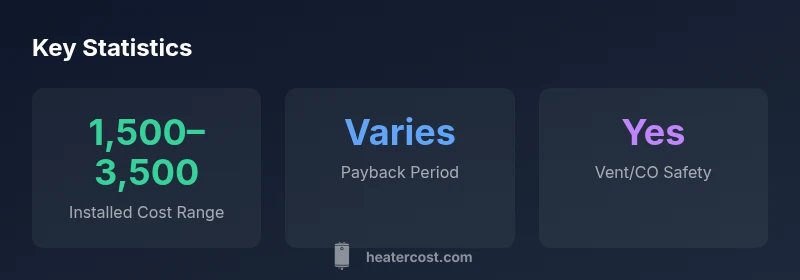
Total costs for propane tankless systems include equipment price, venting components, gas piping upgrades, and professional installation. Because propane prices fluctuate regionally, the long-term savings depend on usage patterns and fuel costs. In many homes with high hot-water demand, energy savings can offset higher upfront costs over several years, but payback periods vary. Maintenance costs (annual inspections and periodic descaling) should be included in the total cost of ownership. Heater Cost analyses in 2026 emphasize evaluating local propane rates, climate, and the competitiveness of propane vs other fuels when assessing payback.
Venting and safety considerations
Venting requirements are a key design consideration for propane tankless heaters. Improper venting can cause performance issues or dangerous conditions, including carbon monoxide buildup. Most installations require a dedicated vent and proper clearance from combustible materials. CO detectors should be installed according to local code, and a licensed professional should perform final commissioning. Indoor installations demand adequate combustion air and vent routing to the outdoors. Always verify vent materials, slope, and termination locations to minimize draft and ensure safe operation.
Maintenance and service life
Regular maintenance helps propane tankless heaters operate at peak efficiency. Annual professional service typically includes burner inspection, descaling if mineral buildup is present, ignition checks, and venting assessment. Periodic flushing helps remove mineral deposits that can impede heat transfer. Inspect for gas leaks around connections, ensure vent termination is unobstructed, and replace worn components as recommended by the manufacturer. With proper maintenance, a propane tankless unit can offer many years of dependable hot water.
Choosing the right propane on-demand water heater
When selecting a propane tankless unit, assess BTU input, modulation range, and performance at your expected water flow. Look for models with high turn-down ratios and efficient condensers if vented. Indoor vs outdoor installation should be weighed against climate and space availability. Warranty terms, available service networks, and compatibility with existing gas lines are important. Consider energy efficiency ratings and any local incentives or tax credits that may apply in your region.
Real-world usage scenarios and case studies
In small apartments or homes with modest hot-water demand, a compact propane tankless heater can deliver ample hot water without occupying much space. In larger households with multiple bathrooms, selecting a higher-BTU model with good modulation ensures consistent temperatures during peak usage. Case studies show that homes with poorly insulated pipes or long runs from the heater to fixtures may benefit from insulation upgrades and strategic point-of-use heaters in conjunction with a main unit. Always tailor the system to your home's layout, climate, and occupancy.
Comparison of water heater types
| Aspect | Propane On-Demand (Tankless) | Gas Storage Tank | Electric Storage |
|---|---|---|---|
| Energy efficiency | High (no standby losses) | Moderate | Lower (standby loss) |
| Space requirements | Compact; wall-mounted | Large footprint | Large tank, floor space |
| Venting needs | Dedicated venting; indoor or outdoor options | Vent or ventless with gas supply | Typically vented for electric models; no flue for some compact electric tanks |
| Installed cost (range) | $1,000–$3,500 | Higher | Lower |
| Hot-water delivery | Unlimited on demand (within capacity) | Limited by tank; slower recovery | Limited by tank capacity |
Got Questions?
What is propane on-demand water heater?
A propane on-demand water heater heats water only as it flows through a heat exchanger, eliminating the need for a storage tank. It provides continuous hot water and typically requires venting and professional installation. Efficiency improves with proper sizing and installation.
A propane tankless heater heats water on demand, with no storage tank, and needs proper venting and installation.
Are propane on-demand water heaters more energy efficient than electric models?
Generally yes, because there’s no standby heat loss like in electric storage tanks. The actual efficiency and savings depend on usage patterns and local energy prices.
They’re usually more energy-efficient than electric tanks, but your savings depend on how you use hot water and local energy costs.
What factors affect payback on a propane tankless unit?
Payback depends on hot-water usage, propane prices, installation costs, and unit efficiency. Larger homes with high demand may see quicker payback if propane costs are favorable.
Payback hinges on how much hot water you use and gas prices.
Do I need permits to install a propane tankless water heater?
Yes, most jurisdictions require licensed installation and permits. Local codes determine venting, combustion air, and gas-piping requirements.
Usually yes; you’ll need a licensed installer and proper permits.
What maintenance does a propane on-demand water heater require?
Annual service, descaling if mineral buildup is present, burner and ignition checks, and vent/duct inspections to ensure safe operation.
Regular annual service keeps it running smoothly.
Can propane tankless heaters be installed indoors?
Indoor installation is possible with proper venting and combustion air provisions. Outdoor models are common in milder climates or where indoor venting is impractical.
Yes, but you need the right venting and clearance.
“Propane on-demand water heaters can deliver reliable hot water with excellent efficiency when correctly sized and vented; however, installation complexity and venting requirements mean you should partner with a qualified installer.”
The Essentials
- Size the unit to match peak demand.
- Plan venting and gas supply before purchase.
- Account for upfront costs and local propane prices.
- Check warranties and service availability in your area.
- Prioritize professional installation for safety and performance