Instant Geyser: Tankless vs Traditional Water Heating Costs in 2026
A comprehensive guide to instant geysers (tankless water heaters) covering efficiency, ROI, and installation considerations for homeowners, renters, and property managers in 2026.


An instant geyser is a tankless water heater that heats water on demand rather than storing hot water in a tank. This on‑demand approach reduces standby energy losses and typically offers higher efficiency, with advantages like unlimited hot water (subject to flow) and space savings; upfront costs can be higher, while installation complexity varies by home. Real‑world results depend on usage, climate, and plumbing.
What is an instant geyser?
An instant geyser, commonly known as a tankless water heater, heats water on demand rather than keeping a tank of hot water in reserve. This fundamental shift eliminates the standby heat losses that plague traditional systems, delivering hot water as soon as a tap is opened. For a homeowner evaluating options in 2026, the term instant geyser is synonymous with compact, energy‑efficient heating that can free up space in closets or utility rooms. Performance hinges on sizing, flow rate, and the available energy source (gas or electric). Incoming water temperature and plumbing layout matter as much as the heater's specifications. In practice, most households notice faster hot water at points of use and a smaller energy bill over time when the unit is matched to demand and installed by a licensed professional.
How instant geysers work
A tankless unit uses a heat exchanger that is activated by flow sensors. When cold water enters, the burner (gas) or heating element (electric) rapidly raises its temperature to the desired set point, then delivers it through the hot water line. Because there is no stored reservoir, the system only consumes energy during hot-water draw. Gas models typically vent exhaust, require adequate venting and gas supply, and can deliver high flow with fast response. Electric models rely on dedicated circuits and often need a robust electrical panel. Temperature and pressure regulators ensure water remains within safe ranges. To maximize performance, installers pair the heater with appropriate piping, recirculation strategies, and adequate insulation to minimize heat losses in the lines.
Energy efficiency and cost implications
Instant geysers are often marketed for energy efficiency because they avoid standby losses. The actual efficiency improvement depends on how much hot water you use, when you use it, and local climate. In homes with high hot-water demand, the efficiency benefit can be substantial, while in smaller households the impact may be modest. In terms of operating costs, electricity or gas consumption aligns with your real hot-water needs, making payback highly variable. The 2026 Heater Cost Analysis highlights that energy savings emerge mainly from eliminating stored water and reducing heat losses from pipes. However, because there is no standby tolerance margin, you may see higher energy use during peak demand if multiple outlets are used simultaneously. Therefore, the ROI depends on how consistently you use hot water and how well the system is sized for peak flow.
Pros and cons for homeowners
Pros:
- On-demand heating reduces energy waste and space needs
- Potentially longer equipment life and faster hot water delivery
- Compact footprint suits small utility rooms
Cons:
- Higher upfront costs and sometimes complex installation
- Requires adequate electrical capacity (electric models) or venting/gas line work (gas models)
- Sizing mistakes can erode savings and comfort
In practice, the decision comes down to your hot-water usage pattern and the feasibility of installing proper venting or electrical service for the unit you choose.
Installation considerations and challenges
Installing a tankless or instant geyser requires careful planning. Gas models need proper venting, gas line capacity, and current combustion-air requirements. Electric models demand a suitable electrical service panel and dedicated circuits that can handle peak loads. In both cases, you should verify local permits and building codes and plan for hot water recirculation if desired. The placement matters: installing the unit close to bathrooms or kitchens reduces piping heat loss, but space and durability of the wall matter. A licensed plumber or HVAC technician should assess inlet water temperature, flow rates, and overall system compatibility with your home's plumbing and electrical infrastructure.
Cost considerations and ROI
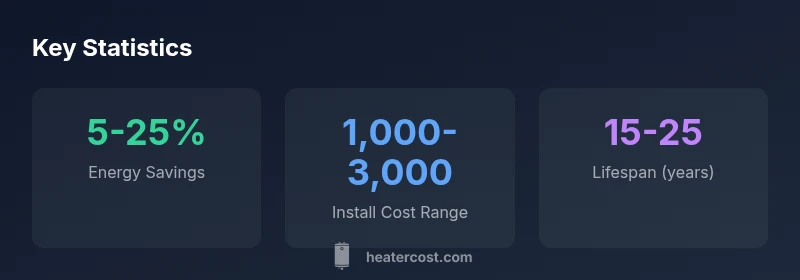
Initial equipment cost for instant geysers varies by type and features. Gas models tend to cost more upfront than electric ones, and installation costs depend on venting and gas line work; total installed price often ranges from $1,000 to $3,000 or higher. Electric models may be slightly less expensive to install but require a substantial electrical upgrade in some homes. Operating costs align with usage: if you replace a high-usage storage heater in a cold climate, you may see meaningful energy savings over several years. The payback period commonly ranges from 5 to 12 years, depending on household water use, energy prices, and installation complexity.
Sizing, flow rates, and hot water availability
Selecting the right instant geyser depends on your peak demand. A single family home might require 2–4 GPM at 120°F to cover a shower and a sink simultaneously, while larger homes or households with high usage may need more. In colder climates, incoming water temperature is lower, reducing effective flow; some heaters offer 140–150°F setpoints. For many homes, a staged approach (one unit with a recirculation loop or two units) provides reliable supply. Always consult a licensed installer to calculate the precise GPM and verify electrical or gas capacity. The goal is to match the heater's output to your worst-case demand without oversizing, which can waste energy and money.
Maintenance and safety
Maintenance for instant geysers is generally straightforward but essential. Flushing the heat exchanger annually or per the manufacturer's guidelines minimizes mineral buildup and maintains heat transfer efficiency. Check and clean vents on gas models and inspect gas connections for leaks; electric units require periodic electrical inspections for safe operation. Use a scale inhibitor if you have hard water. Safety features include automatic shutoffs and temperature controls; ensure proper installation clearance and follow local codes to reduce fire and carbon monoxide risks.
Choosing the right instant geyser for your home
Start with a demand analysis that considers simultaneous usage patterns, climate, and pipe length. Decide whether gas or electric operation aligns with your home's energy supply and install constraints. Factor in space availability, venting requirements, and the potential need for a recirculation pump. Compare warranties, service networks, and the installer's qualifications. Finally, obtain multiple quotes to understand total installed cost and payback. A well-chosen instant geyser can deliver consistent hot water, improved efficiency, and a favorable return on investment when sized and installed correctly.
Comparison of instant geyser types vs traditional storage heaters
| Model Type | On-demand Flow (GPM) | Energy/Heat Loss | Typical Install Cost Range | Lifespan |
|---|---|---|---|---|
| Tankless gas | 2-4 GPM | On-demand heat loss minimal | 1,000-3,000 | 15-25 years |
| Tankless electric | 2-3 GPM | On-demand heat loss minimal | 1,200-2,500 | 15-20 years |
| Storage heater | N/A | High standby loss | 500-2,000 | 8-12 years |
Got Questions?
What is an instant geyser and how does it differ from a traditional storage heater?
An instant geyser heats water on demand instead of storing hot water in a tank, eliminating standby losses. It requires appropriate sizing, venting (gas models), or dedicated electrical capacity. Availability of hot water depends on flow rate and incoming water temperature.
An instant geyser heats water only when you need it, saving energy and space; size it correctly for your home.
Are instant geysers energy-efficient?
Yes, because there’s no standby heat loss. However savings depend on usage, climate, and how hot water is used in a home.
Yes—on-demand heating cuts standby losses, but your actual savings depend on your usage.
How do I know which size (GPM) is right for my home?
Estimate your peak simultaneous hot-water needs (showers, taps, appliances) and select a unit that meets or exceeds that demand. A professional can perform a detailed calculation.
Calculate your max simultaneous hot water needs and pick a heater that covers that demand.
What are typical installation costs and requirements?
Upfront costs are higher due to equipment, venting, and new gas lines or electrical work. A licensed installer can assess site requirements and permits.
Installations can be pricier than storage heaters because of venting and wiring needs.
What maintenance do instant geysers require?
Annual flushing to reduce mineral buildup, regular vent checks (gas models), and periodic part inspections. Follow manufacturer guidelines.
Regular flushing and inspections keep it running smoothly.
Can I install an instant geyser in a rental property?
It’s possible with landlord approval and proper permits; local codes may require professional installation and inspection.
Check with your landlord and local codes before installing.
What warranties should I expect?
Look for a solid warranty on parts and labor; typical heat exchanger warranties range from several years to a decade, depending on the model.
A strong warranty on parts and labor provides peace of mind.
“When properly sized and professionally installed, an instant geyser can deliver reliable hot water with meaningful energy savings, though incorrect sizing is a common pitfall.”
The Essentials
- Instant geysers heat water on demand, reducing standby energy.
- Sizing by peak demand is critical to performance.
- Higher upfront costs, potential long-term savings.
- Proper venting/electrical capacity is essential.
- Maintenance extends lifespan and reliability.