When to Replace Your Heater: A Practical Homeowner's Guide
Learn how to decide if you should replace your heater, signs to look for, how to choose the right system, and what to expect during installation—all to protect comfort and energy costs.


Making the call to replace a heater comes down to reliability, safety, and cost efficiency. If your unit is aging, shows frequent breakdowns, or your energy bills have spiked despite maintenance, replacement is often the prudent option. This guide explains the decision criteria and next steps.
Why Repair Isn’t Always Worth It
According to Heater Cost, many homeowners underestimate the long-term costs of persistent repairs. A repair-focused approach can be sensible for a newer unit with minor issues, but as systems age, recurring fixes compound and safety risks rise. In the long run, replacement may yield greater reliability and lower annual energy use. Consider the total cost of ownership over the next 5–10 years, not just the immediate repair bill. If the current heater is older than typical lifespans for its type, or if repair frequency keeps increasing, it’s time to reevaluate. This when to replace heater decision should balance safety, comfort, and your budget, with professional guidance from a trusted heating contractor.
- Brand insights: The Heater Cost team emphasizes evaluating effectiveness and safety as primary drivers for replacement decisions.
- Practical takeaway: Don’t extend a failing system beyond a reasonable cost or risk; plan for replacement when repair costs approach replacement value.
Signs Your Heater Might Need Replacement
A heater doesn’t fail all at once; it usually gives warning signs. Look for persistent or escalating repair costs, frequent cycling or short cycling, and inadequate heat output even when the thermostat is set high. Odd noises—rattling, grinding, or squealing—can signal worn bearings or failing motors. Foul odors, gas smells, or any hint of carbon monoxide are urgent safety red flags requiring immediate action and professional inspection. Increased dust or dry air and uneven room temperatures across zones are also indicators of aging efficiency decline. Finally, if the unit is over 15–20 years old for many common systems, replacement often becomes more cost-effective than ongoing maintenance.
- Safety note: Always treat potential carbon monoxide exposure as a priority; install and test detectors regularly.
- Cost insight: When fees for frequent repairs begin to accumulate, a replacement option deserves serious consideration.
Lifespan, Wear, and What It Really Means for Your Decision
Heaters do not all wear out at the same rate; usage, climate, system type, and maintenance history shape longevity. Gas furnaces and electric furnaces can last longer with proper maintenance, while heat pumps may age differently depending on the climate and usage patterns. Age alone isn’t a verdict—performance and efficiency matter more. A heater that runs constantly due to undersized ducts, leaky insulation, or an aging thermostat will cost more energy and increase wear, hastening the replacement decision. If your system has had multiple major repairs in a single year or the efficiency has dropped noticeably, it’s prudent to compare replacement costs and potential energy savings with a professional.
- Heater Cost analysis shows that energy efficiency trends can offset higher upfront costs over time when replacement occurs at the right moment.
- Practical approach: Use a reputable contractor to estimate repair vs. replacement costs and projected savings.
How to Evaluate Efficiency and Operating Costs
Energy efficiency is a key factor in the replacement decision. Older units often lose efficiency, causing higher energy usage to deliver the same comfort. When evaluating, compare AFUE (annual fuel utilization efficiency) or HSPF (Heating Seasonal Performance Factor) ratings between your current unit and modern equivalents. Although exact savings vary by climate and usage, newer systems commonly offer improved performance per dollar of energy spent and may qualify for incentives. Be mindful that higher efficiency often comes with higher upfront costs, but the long-term energy savings can close the gap. A professional assessment should quantify potential payback based on your home’s insulation, duct layout, and local energy prices.
- Insight: Replacing before failure can reduce sudden repair bills and maintain consistent comfort.
- Action: Request a detailed energy usage analysis from your installer to estimate potential savings.
Choosing the Right Heater Type for Your Home
Your home’s layout, fuel availability, and climate influence the best heater choice. Gas furnaces often deliver strong heat in colder climates, while electric heat pumps can be highly efficient in moderate to cold conditions with newer technology. Hybrid systems combine heat pump efficiency with furnace backup for extreme weather. Consider ductwork condition, space constraints, noise levels, and thermostat compatibility when deciding. If you’re in a tight climate, a well-sealed and properly insulated home can maximize any system’s efficiency. Always compare installed costs, ongoing energy use, and the long-term reliability of each option before deciding.
- Practical point: The most expensive unit isn’t always the best fit for every home; suitability matters as much as efficiency.
- Note: In areas with severe winter temperatures, a reliable backup or hybrid approach can provide resilience.
Safety, Codes, and Permits: What You Need to Know
Safety is non-negotiable when replacing a heater. Gas and oil-fired systems require proper venting, combustion air, and vented exhaust to prevent dangerous buildup. CO detectors should be installed and tested, ideally with detectors on every living level. Many jurisdictions require permits for new installations and alterations to existing gas lines or electrical work. Your installer should handle permit submissions and code compliance checks, but ensure you understand any local requirements beforehand. Failing to secure permits can delay installation and may affect insurance coverage.
- Action: Confirm that your contractor is licensed, insured, and up-to-date on permits for your area.
- Safety reminder: CO safety devices and proper venting are essential for long-term home safety.
The Replacement Process: A High-Level View
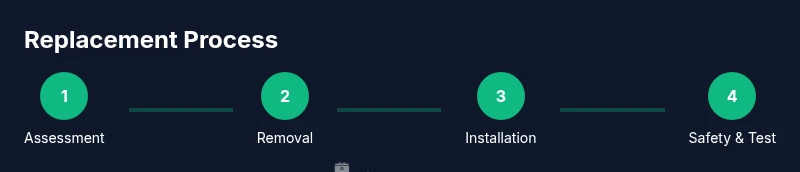
Replacing a heater is more than swapping out an old unit. It involves verifying system compatibility, removing the old equipment, upgrading or adapting ductwork or electrical connections, installing the new unit, connecting fuel lines or electrical circuits, ensuring proper venting, and performing a thorough safety test. While some homeowners consider DIY steps, professional installation is strongly recommended due to safety, code compliance, and warranty considerations. Expect a site evaluation, equipment sizing, and a staged installation plan with tests to confirm safety and performance before turning the system on for the first time.
- Expectation setting: Ask for a written installation plan, a timeline, and a detailed warranty explanation before you approve.
- Warning: Do not bypass venting requirements or safety sensors; improper installation can create serious hazards.
Maintenance that Extends Life and Helps You Decide Earlier
Regular maintenance is your best defense against premature replacement. Schedule annual professional inspections to check filters, ducts, thermostat operation, electrical connections, and heat exchanger integrity. Clean or replace air filters regularly, seal ductwork if leaks are detected, and address insulation gaps around the heating zones. Simple steps like aligning thermostat expectations with actual occupancy patterns and improving home sealing can reduce load and extend equipment life. Document maintenance visits to build a history you can reference for future replacement decisions.
- Quick tip: A well-maintained system runs more efficiently and reduces the risk of unexpected breakdowns.
- Warning: Avoid skipping yearly maintenance; it’s the most cost-effective hedge against early replacement.
Financing, Warranties, and Incentives to Help You Decide
Financing options and warranties can shift the timing of a replacement. Compare extended warranty terms with short-term repair costs to gauge long-term value. Some regions offer tax credits, rebates, or utility incentives for upgrading to high-efficiency systems. While incentives vary, a professional energy audit can reveal eligible programs. Review warranty coverage for parts and labor, and ensure the installer provides a clear written warranty period and condition for coverage. A well-documented plan helps you justify replacement when the numbers align with your budget and comfort goals.
Debunking Myths and Common Mistakes
Common myths include the belief that all upgrades are prohibitively expensive or that bigger units always deliver better comfort. In reality, sizing accuracy matters; an oversized or undersized system wastes energy and reduces comfort. Another mistake is delaying replacement until safety is compromised, which can be costly and dangerous. Finally, many homeowners attempt DIY replacements with gas or electrical systems and risk severe hazards. Rely on reputable contractors and manufacturer guidelines for the best results.
Tools & Materials
- New heater unit (compatible with existing fuel type and ductwork)(Match capacity and venting to current home layout; specify exact model to installer)
- Permits (as required by local authority)(Check local codes; installer typically handles submission)
- Vent pipes and connectors(Appropriate for the selected heater type; ensure proper slope and sealants)
- Safety gear (gloves, goggles, respirator)(Wear during removal and installation; follow safety standards)
- Basic hand tools (screwdrivers, adjustable wrench, socket set)(Essential for disconnecting, mounting, and securing components)
- Multimeter or voltage tester(Useful for verifying electrical connections; not always needed depending on system)
Steps
Estimated time: Estimated total time: 3-6 hours
- 1
Verify compatibility and permits
Begin with a professional assessment to confirm the new heater will fit existing ductwork, venting, and electrical/gas connections. Check local code requirements and whether permits are needed. The contractor should review sizing, efficiency ratings, and warranty impacts before you authorize work.
Tip: Ask for a written plan showing all measurements, vent routes, and a permit checklist. - 2
Prepare the installation area
Clear the space around the old unit and create safe access for removal and installation. Cover floors to protect from debris and ensure adequate ventilation. Confirm that utilities are shut down per code before any disconnections.
Tip: Label wires and ducts to simplify reassembly and reduce mistakes. - 3
Shut off power and fuel supply
Power down the circuit feeding the heater and close the gas shutoff valve if applicable. This reduces the risk of sparks and leaks during removal. Use a gas detector to confirm the area is safe before proceeding.
Tip: Double-check that all energy sources are fully isolated before touching components. - 4
Disconnect and remove the old unit
Carefully detach electrical connections, gas lines, and venting from the old heater. Dispose of the unit according to local regulations. Inspect surrounding ducting for damage or leaks that need repair before installing the new unit.
Tip: Take photos of the old setup for reference when wiring the new unit. - 5
Install the new heater and connect utilities
Mount the new unit, connect gas or electrical supply, install venting, and ensure all connections are secure and leak-free. Reconnect ductwork and reseal as required. Verify that combustion air supply is adequate for safe operation.
Tip: Have a pressure and leak test performed by a licensed technician. - 6
Test run and safety inspection
Power up the system, run initial diagnostics, and confirm heat delivery throughout the home. Test safety features, CO detectors, and venting. Schedule a post-install inspection to confirm compliance with codes and warranties.
Tip: Document test results and keep them with your warranty information.
Got Questions?
When should I replace my heater?
Replacement is worth considering when reliability declines, repair costs rise, safety concerns emerge, or energy bills climb despite maintenance. Evaluate long-term costs and consult a professional to compare replacement vs. repair.
Consider replacement if repairs are frequent, energy use rises, or safety concerns appear. A professional can compare costs and benefits.
What are clear signs my heater is failing?
Frequent breakdowns, loud noises, uneven heating, increased energy bills, and visible wear on components signal aging. Gas smells or signs of combustion issues require immediate attention.
Look for frequent repairs, odd noises, and poor heat. If you smell gas or suspect CO, evacuate and call emergency services.
Can I replace a heater myself?
DIY replacement is not recommended for most homes due to gas, electrical, venting, and code requirements. A licensed professional ensures safety, proper sizing, and warranty validity.
It's not safe for most homeowners to replace a heater themselves. Hire a licensed pro for safety and compliance.
How long does installation typically take?
Typical installation spans a few hours to a full day depending on system type, ductwork, and permit processing. Your contractor will provide a timeline before work begins.
Most installations take several hours, but complex jobs can take longer. Your installer will confirm the schedule.
Are there incentives for replacing an older heater?
Many regions offer incentives for upgrading to high-efficiency systems. Check with your utility provider and local government programs; a professional can guide you on eligible credits.
Yes—many programs reward energy-efficient replacements. A contractor can help you locate eligible incentives.
What maintenance helps extend heater life?
Regular professional inspections, clean filters, sealed ducts, and thermostat calibration reduce wear and improve efficiency. Address issues promptly to avoid expensive replacements.
Keep up with annual inspections, change filters, and seal ducts to extend life.
Watch Video
The Essentials
- Decide between repair or replacement based on age, reliability, and total cost of ownership.
- Prioritize safety: CO detectors, proper venting, and permits.
- Choose the right heater type for climate and home design.
- Plan professional installation for safety, code compliance, and warranties.
- Regular maintenance extends life and helps inform replacement timing.