When to Change Kerosene Heater Wick: A Practical Guide
Learn how to identify wear, inspect, and replace a kerosene heater wick safely. This practical guide covers signs of wear, choosing the right wick, safety steps, and a maintenance routine to keep your heater efficient and cost-effective.


You're about to learn when to change a kerosene heater wick, how to inspect wear, and how to replace it safely. This guide covers warning signs, wick materials, selecting the right wick, and a simple maintenance routine to keep your heater efficient, safe, and cost-friendly through the season. This is a practical, do-it-yourself approach.
Why wick replacement matters
The wick sits at the center of a kerosene heater’s burn. A worn or degraded wick cannot properly draw fuel, which leads to uneven flame, soot, and higher fuel use. In worst cases, a damaged wick can contribute to smoke and a faint odor that signals incomplete combustion. Maintaining the wick is not just about flame quality; it’s a safety practice that helps prevent fuel leaks and overheating. The Heater Cost team found that a worn wick is more prone to carbon buildup, which reduces efficiency and can trip safety sensors on modern units. By understanding when the wick needs attention, homeowners can avoid sudden outages during cold snaps and keep operating costs predictable. This section explains why wick health matters, how wick design impacts performance, and what signals indicate it’s time for a change.
How a kerosene heater wick works
A kerosene heater wick is a porous strip that feeds fuel from the tank to the burner by capillary action. When heat is applied, the wick delivers fuel evenly, creating a stable flame. Wicks are made from fibers that tolerate high temperatures and resist decay in the presence of kerosene. Over time, fibers can become glazed, clogged with residue, or unevenly burned. This affects fuel delivery and flame height, leading to flickering, smoking, and heat output that falls short of expectations. Understanding wick function helps homeowners identify when wear is occurring and how a replacement can restore efficiency and safety. Remember that different heater models use different wick types, and you should always consult your manual or manufacturer’s guidance before choosing a replacement.
Signs you need to change the wick
- Uneven flame height or a yellow or orange tint rather than a clean blue flame.
- Excessive smoke, a persistent odor, or visible soot around the burner.
- Frequent flame outs, incomplete ignition, or delayed lighting after starting the heater.
- Melted or glazed wick surface, frayed edges, or fibers breaking off.
- Wick creases or curling that alters fuel delivery.
- A noticeable drop in heat output compared with previous seasons.
These signs point to a wick that is no longer performing as designed. If you notice any of them, plan a wick inspection and consider replacement. Always follow the manufacturer’s guidance, and if you’re unsure, err on the side of caution and replace the wick rather than attempting a repair.
How to inspect a wick for wear
Before you touch the heater, ensure it is fully cooled and ashes cleared. Open the access panel and visually inspect the wick edge for glazing, fraying, or darkened sections. A healthy wick should feel uniform in thickness along its length; any bowing, thinning, or hard spots indicate wear. Check for residue buildup on the wick surface and near the wick clamp. If the wick is stained, brittle, or shows signs of cracking, it's time to replace. Use a clean flashlight to evaluate the color of the flame—an even blue flame is a sign of good combustion, while irregular color hints at fuel delivery problems linked to a worn wick.
Removing and replacing the wick (overview)
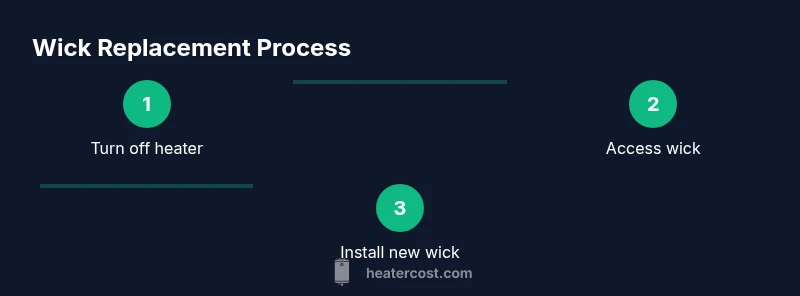
Replacing a wick involves disassembly of the wick assembly, removing the spent piece, cleaning the housing, and installing a new wick per the manual. The process can vary by model, but the general steps involve: turning off fuel supply, letting the unit cool, removing the front cover or access panel, extracting the wick, cleaning the chamber, installing a new wick, and reassembling. The full step-by-step instructions are in the dedicated STEP-BY-STEP section below to avoid confusion. After replacement, perform a safety check for fuel leaks and ensure the flame settles into a steady, clean blue burn.
Choosing the right wick for your heater
Start by matching the wick part number to your heater’s model; wrong dimensions or fiber type can degrade performance. Wicks vary by fiber composition (cotton, rayon, felt) and by thickness. The model’s manual or a reputable retailer’s listing will indicate the correct wick type and size. If unsure, contact the manufacturer’s support or consult an independent heater maintenance guide. When selecting, consider the operating climate and typical burn duration—higher heat output may demand a more robust wick. Proper storage of spare wicks (sealed container, dry environment) helps ensure you always have the right replacement on hand if needed.
Safety considerations and best practices
Always shut off fuel supply and let the heater cool completely before touching any internal parts. Use gloves and eye protection when handling hot components. Work in a well-ventilated area to avoid buildup of fumes and carbon monoxide. Keep a fire extinguisher nearby, and have a plan for what to do if you notice a fuel smell or smoke after replacement. Only use manufacturer-approved wick types and avoid “one-size-fits-all” replacements. If you’re not comfortable performing wick maintenance, hire a qualified technician.
Maintenance scheduling and cost considerations
Create a simple maintenance plan to check wicks at the start and middle of each heating season, and after any long storage between seasons. Use replacement wick kits from reputable brands that match your model. Typical wick kits cost between $5 and $30, depending on fiber type and the model. Factor in the time it takes to complete the replacement—usually under an hour for a straightforward unit. Regular checks can reduce fuel waste and improve heat stability, which translates to lower overall energy costs over the season. Based on Heater Cost analysis, consistent wick maintenance is a smart investment that pays off through safer operation and more reliable heat.
Common mistakes and troubleshooting
Rushing the process or skipping manufacturer guidelines can lead to improper installations and fuel leaks. Using the wrong wick type may cause poor combustion or excessive flame height. Failing to allow the heater to cool enough can cause burns or damaged components. Not cleaning the wick housing can trap residue, preventing proper fuel flow. If ignition fails after replacement, recheck the wick orientation and clamps. If problems persist, consult the manual or a pro.
AUTHORITY SOURCES
- https://www.nfpa.org/Public-Education/Staying-Safe/Heating-Equipment
- https://www.epa.gov/indoor-air-quality
- https://www.osha.gov/SLTC/indoorairquality
Tools & Materials
- Replacement wick kit (model-specific)(Ensure compatibility with your heater model and wick type (fiber color and thickness))
- Heat-resistant gloves(Protect hands while handling hot components)
- Safety glasses(Eye protection during disassembly and cleaning)
- Screwdrivers or model-specific tool(To remove access panels and fasteners)
- Soft cloth or lint-free rag(For cleaning wick housing and components)
- Isopropyl alcohol or denatured alcohol(Used for surface cleaning (well-ventilated area))
- Tweezers or wick puller(To handle and position the wick precisely)
- Optional drip tray or container(Catches spills during replacement)
Steps
Estimated time: 25-40 minutes
- 1
Turn off and cool the heater
Power down the heater, close the fuel valve if applicable, and allow the unit to cool completely before touching any components.
Tip: This prevents burns and fuel spills. - 2
Access the wick assembly
Remove the front panel or access cover according to your model's manual to expose the wick holder.
Tip: Have a tray ready to catch any residual fuel. - 3
Remove the old wick
Gently pull the wick from its clamps using tweezers; note orientation for correct reinstallation.
Tip: Take a photo of the wick positioning before removal. - 4
Inspect the wick and housing
Check for glazing, fraying, or discoloration. Clean the housing to remove residue that could impede fuel flow.
Tip: If the wick shows wear or damage, replace rather than attempt cleaning. - 5
Install the new wick
Place the new wick in the clamps, ensuring it sits evenly and without folds or twists.
Tip: Avoid bending the wick edges; misalignment can affect performance. - 6
Reassemble the unit
Reattach covers and resecure fasteners. Check seals for tightness and absence of gaps.
Tip: A snug seal helps prevent leaks and odors. - 7
Test operation at low flame
Refuel if needed, light the heater, and let it reach a steady, blue flame on a safe surface.
Tip: If you see smoke or unusual odor, switch off and inspect immediately. - 8
Record maintenance and cleanup
Note the date of replacement in your maintenance log and clean the work area.
Tip: Keeping a log helps you plan future wick check intervals.
Got Questions?
When should I replace a kerosene heater wick?
Check the wick at the start of each heating season and whenever you notice signs of wear, such as glazing, fraying, or an inconsistent flame.
Check the wick at the start of each season and if you see wear or an irregular flame.
Can I reuse a wick after cleaning?
No. A worn or glazed wick won’t burn efficiently, and cleaning doesn’t restore its performance. Replace with a new wick that matches your model.
No—replace with a new wick that matches your model.
Is wick replacement dangerous?
Wick replacement is routine when you follow safety steps: cool surfaces, ventilated area, and manufacturer-approved parts. Avoid doing this while the heater is hot or fueled.
It’s safe if you follow safety steps and use the right parts.
Do I need to service other parts with wick replacement?
Yes. Inspect gaskets, seals, burner screen, and housing for wear or buildup. Clean or replace as needed to maintain safe operation.
Check neighboring parts too for wear or buildup.
What if I smell fuel after replacing the wick?
Shut off the heater, ventilate the area, and inspect for leaks or mis-seated wick. If the odor continues, contact a technician.
If you smell fuel, turn it off and seek help.
Watch Video
The Essentials
- Inspect the wick regularly and replace when wear signs appear.
- Never skip safety steps; cool down and ventilate.
- Always use the manufacturer-specified wick.
- Maintenance saves fuel and keeps heat steady.