Water Heater Recirculation System: Costs, Benefits, and Setup
Explore water heater recirculation systems: how they work, installation costs, energy impact, and maintenance tips to improve hot water delivery and efficiency for homes and rentals.


A water heater recirculation system is a plumbing setup that loops hot water back to the heater or through a dedicated return line so hot water is available at fixtures quickly. It lowers water waste, improves comfort, and can reduce overall costs when paired with appropriate controls and proper installation.
What is a water heater recirculation system?
A water heater recirculation system is designed to deliver hot water to fixtures faster by moving water that would otherwise cool in the pipes back to the heater or through a dedicated return line. The goal is to reduce the delay between opening a hot water tap and receiving hot water, which saves water and enhances comfort. A typical setup includes a circulating pump, a return line (or a smart valve on the cold side), and a control strategy that activates the loop when hot water is likely needed. The key idea is to minimize the amount of cold water wasted down the drain while you wait for hot water at sinks and showers. For many homes, especially those with long pipe runs or multi-story layouts, a water heater recirculation system can offer meaningful convenience and efficiency gains when designed with proper controls and insulation. When considering this option, homeowners should weigh the upfront plumbing changes, electrical requirements for the pump, and ongoing energy use against the benefits of faster hot water access.
In practice, you may encounter two fundamental approaches. A dedicated return loop that continuously circulates hot water, or a demand-based setup that activates the loop only when hot water is likely to be needed. The choice depends on your home layout, usage patterns, and willingness to invest in controls that optimize pump operation. Regardless of the approach, the system relies on a thermostat or sensor to determine when to circulate and how much heating is needed in the loop. This balance between performance and efficiency is the core consideration for homeowners evaluating a water heater recirculation system.
How it works in practice: types and controls
There are several practical ways to implement a water heater recirculation system, each with its own pros and cons. A dedicated return line creates a closed loop that continuously circulates hot water, often using a pump that is controlled by a timer or a sensor near the thermostat. This setup is reliable but can require substantial plumbing work and, in some cases, a second pump and wiring. A demand-based or on-demand system uses a smart valve or a simple timer with a sensor to activate circulation only when hot water is needed, which minimizes standby energy. Some newer systems pair a small pump with a circulator valve at the furthest fixture, so you still benefit from quick hot water without running water down the drain for every fixture.
Controls are equally important. A timer can run the loop for a short window in the morning and evening, while a thermostat at the hot water line ensures the return water doesn’t exceed set temperatures. Advanced options include smart controllers that learn your habits and adjust operation accordingly, integrating with home automation systems. Installation and selection depend on existing piping, the length of runs to fixtures, and local code requirements. For renters or homes with limited space, retrofit solutions can be more challenging but are often possible with a strategically placed valve and a compact inline pump.
Costs, installation steps, and planning for a water heater recirculation system
Planning a water heater recirculation system starts with a site assessment. Homeowners should map the hot water flow from the heater to the farthest fixtures, identify the best location for a return line (if feasible), and determine whether a dedicated loop or a demand-based option makes the most sense. Expected costs include the pump, valves, wiring, and any necessary control hardware. On average, installation costs can range from a few hundred dollars to over a thousand dollars, depending on pipe routing, the need for a return line, electrical work, and whether permits are required in your jurisdiction. For homes that already have a return line, installation can be simpler and more cost-effective. In many cases, the project pays for itself over time through reduced water waste and enhanced comfort, but results vary by usage patterns and plumbing efficiency. A professional assessment helps quantify the specific payback for your home, taking into account pipe length, insulation level, and how often the hot water tap is used.
If you decide to proceed, expect a structured process: obtain quotes, confirm code compliance, install the pump and return line or valve, wire the controller, and perform a commissioning test to verify flow, temperature, and safety clearances. Insulation around hot water pipes and the heater can amplify efficiency gains, while ensuring accessibility for maintenance is also essential.
Energy impact and efficiency potential: what to expect
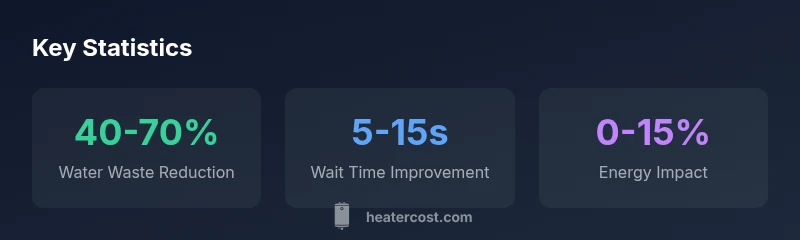
The energy story for a water heater recirculation system is nuanced. On one hand, faster hot water delivery can save significant amounts of water over time, especially in homes with long runs. On the other hand, the circulating pump consumes electricity, which can slightly offset water-wasting gains if the loop runs continuously. Smart or timer-based controls help tilt the balance toward energy efficiency by limiting pump operation to periods when hot water is likely to be used. In well-insulated homes, the overall energy impact is often modest, while in poorly insulated piping, the system may generate more standby heat loss than it saves in water waste.
In practical terms, homeowners should expect a range of outcomes. In some setups, water savings can be substantial with minimal energy increase, particularly when modern, low-power pumps and efficient controls are used. In others, energy use may rise slightly due to constant circulation if not properly managed. The best approach is to tailor the controls to your daily routine and ensure proper insulation and leak-free components. This strategy helps maximize the value of a water heater recirculation system while maintaining comfort and efficiency.
Who benefits most and when a recirculation system makes sense
Homes with long pipe runs from the heater to distant fixtures typically realize the most benefit from a recirculation system. Multi-story houses, large residences, or rentals with repetitive hot-water demand can see improved convenience and reduced water waste. Urban homes with compact plumbing may experience limited gains if hot water cools quickly anyway, while older homes with leaky pipes may require repairs before installation to maximize performance. For some households, a demand-based system or a thermostatic valve upgrade may be a better fit than a full continuous loop. In any case, a professional assessment is valuable to determine the expected payback period, particularly when considering installation costs, energy use, and potential code requirements.
In rental properties, the decision should also consider tenant experience and maintenance responsibilities. A well-designed recirculation system with accessible components and clear controls can reduce tenant complaints about waiting for hot water and improve perceived value of the unit. In all scenarios, proper insulation, leak testing, and regular maintenance are essential to sustaining the system’s benefits over time.
Choosing, maintaining, and avoiding common pitfalls
Selecting a water heater recirculation system requires aligning your goals with the home’s plumbing layout and usage patterns. Consider factors like pump efficiency, control logic (timer vs smart controller), heat loss of the loop, and ease of service. Maintenance is relatively straightforward but critical: inspect connections for leaks, test valve operation, ensure the pump is quiet, and verify that insulation remains intact. Common pitfalls include oversizing the pump (which increases energy use), selecting an unsuitable control strategy for your schedule, and failing to insulate the return lines. A professional installation helps minimize these risks by ensuring proper sizing, correct wiring, and compliant routing. By prioritizing proper insulation and efficient controls, you can maximize the system’s value while keeping energy costs predictable.
Example data for typical recirculation system considerations
| Aspect | Description | Typical Range | Notes |
|---|---|---|---|
| Installation complexity | Requires routing of a recirculation loop and pump | "Medium" | Higher if no existing return line |
| Cost (equipment) | Pump, valves, controllers, and wiring | "$150-$1,000" | Depends on pump size and controls |
| Operating energy | Electric pump energy consumption in normal use | "0-15% of baseline hot-water energy" | Depends on usage and insulation |
| Maintenance | Regular inspection of seals, valves, and pump life | "Annual" | Includes filter if present |
Got Questions?
What is the typical cost to install a water heater recirculation system?
Costs vary based on pipe routing, pump type, and controls. Expect a broad range from a few hundred to about a thousand dollars, with higher costs if a return line must be added. A professional assessment provides a precise estimate and payback projection.
Costs vary based on routing, pump and controls. A pro can give a precise estimate and expected payback.
Will a recirculation system save energy?
Recirculation systems can save water by reducing waste, and smart controls help limit energy use. The net impact depends on pump efficiency, usage patterns, and how well the system is insulated.
They can save water and sometimes energy, depending on usage and insulation.
Do I need a dedicated return line for recirculation?
Not always. Some homes can retrofit with a valve and a small return loop, while others may benefit from a full dedicated return line. A professional can determine the best approach.
A pro can tell you whether you need a dedicated return line or another setup.
How do I maintain a recirculation pump?
Inspect for leaks, listen for unusual noises, and ensure electrical connections are intact. Periodically verify valve function and replace any worn seals. Regular checks help sustain efficiency and prevent failures.
Check for leaks, listen for noise, and keep connections tight.
Can I install a water heater recirculation system myself?
DIY installation is possible in simple layouts, but many homes require professional plumbing and electrical work to meet code. If in doubt, hire a licensed pro to ensure safety and compliance.
If in doubt, hire a licensed professional to ensure safety and code compliance.
“A well-planned recirculation system can enhance hot-water convenience and reduce waste, but the efficiency gains hinge on thoughtful control strategies and proper insulation.”
The Essentials
- Evaluate home layout before buying
- Choose controls that match daily routine
- Insulate piping to maximize savings
- Expect cost range estimates; payback varies
- Consult a professional for code compliance