A Complete Torpedo Heater Guide for 2026
Learn how torpedo heaters work, cost ranges, safety standards, and maintenance tips for homeowners and managers. A data-driven, 2026 Heater Cost guide for practical decisions.


The torpedo heater is a portable indirect-fired heater widely used for temporary heating in workshops, construction sites, and garages. Its compact design and high heat output make it a versatile option, but costs, safety, and venting vary by model. This guide covers typical price ranges, safety checklists, and maintenance tips to help homeowners and property managers decide if a torpedo heater fits their needs.
What is a torpedo heater and how does it work
According to Heater Cost, a torpedo heater is a portable indirect-fired heater commonly used for temporary heating in workshops and garages. The unit burns fuel in an enclosed combustion chamber and radiates heat through a metal jacket, which minimizes direct flame exposure in occupied spaces. Most models produce between 30,000 and 125,000 BTU per hour, enough to warm up drafty rooms when used with proper ventilation. Installation is simple: place the heater on a stable surface, connect to the appropriate fuel source, and ensure there is adequate airflow. Because of their design, torpedo heaters can be used outdoors in cold weather or in uninsulated spaces, but you should always follow the manufacturer’s guidelines for clearance and venting. In many regions, building codes require carbon monoxide detectors and proper fuel storage when operating any portable heater.
When to use a torpedo heater
Torpedo heaters shine in situations where fixed heating is unavailable or impractical. They’re popular for construction sites, unheated garages, temporary workshops, and rental units undergoing turnover. If you need rapid warmth for a few hours or days, a torpedo heater can be a cost-effective choice relative to running permanent equipment. However, consider the space volume, insulation, and whether you’ll need continuous heat. In well-insulated spaces, a smaller model may suffice; in larger or drafty areas, you may require multiple units or a higher BTU output. Always assess ventilation needs and local codes before operation, and avoid using them in living spaces for safety reasons.
Cost considerations and price ranges
When budgeting for a torpedo heater, expect variability based on BTU output, fuel type, and included safety features. Typical consumer models start around the low hundreds and can exceed a thousand dollars for high-output, hazard-reducing configurations. Fuel costs depend on the local price of diesel, kerosene, or propane, as well as how efficiently the unit runs. In rental properties, weighted cost over a heating season should be considered, including fuel logistics and maintenance. Heaters with automatic shutoff, tip-over protection, and CO detectors tend to command higher upfront prices but can save money on safety-related incidents. The Heater Cost analysis suggests comparing total cost of ownership (purchase price, fuel, maintenance) over the expected usage period to determine true value.
Fuel types and efficiency
Torpedo heaters typically operate on diesel, kerosene, or propane. Fuel choice affects operating cost, availability, and emissions. Propane models are easier to refill and generally cleaner-burning but may have higher per-hour fuel costs in some markets. Diesel and kerosene variants often deliver stronger heat in cold environments but require more careful fuel handling and ventilation. Efficiency depends on maintenance, proper venting, and correct BTU sizing for the space. For best results, select a model with an efficient combustion system, proper nozzles, and a fuel type that aligns with your local fuel ecosystem. Regularly inspecting nozzles and fuel lines helps sustain efficiency and safety.
Safety, ventilation, and code considerations
Safety is non-negotiable with torpedo heaters. Always operate in well-ventilated areas, use CO detectors, and ensure clearances from walls, ceilings, and flammables. Do not use in living spaces or occupied rooms without proper exhaust or radiant barriers. Some jurisdictions require permits or inspections for temporary heating devices, especially in commercial spaces or during long-term use. Regularly inspect exhaust outlets, combustion chambers, and fuel hoses for leaks. If you smell fuel odor or hear unusual noises, shut the unit down and consult a technician. Training on startup, shutdown, and emergency procedures reduces risk.
Installation, setup, and operation tips
Set up the torpedo heater on a flat, non-combustible surface with stable anchoring if needed. Ensure you have adequate space for heat to circulate and avoid obstructing vents. Use the correct fuel canisters or containers, and never refuel a hot unit. Plug into a dedicated outlet if required, and avoid overloaded circuits. During operation, keep children and pets away and place a portable CO detector in the same room. After use, allow the unit to cool before storing in a ventilated area. Consider creating a simple heating plan for your space to optimize heat distribution and minimize fuel waste.
Maintenance and common issues
Routine maintenance extends the life of a torpedo heater. Clean ash and soot from the combustion chamber, inspect fuel lines for leaks, and check ignition systems regularly. Replace worn gaskets and filters as recommended by the manufacturer. Common issues include difficulty starting in cold weather, fluctuating flame, or unusual odors indicating incomplete combustion. If you notice these problems, consult a service professional rather than attempting risky repairs yourself. Keeping a maintenance log helps track service intervals and ensures compliance with warranties.
Choosing the right torpedo heater for your space
Begin with a room-by-room assessment to estimate the required BTU. For a small workshop, a 30,000–60,000 BTU unit might suffice, while larger garages or exposed spaces may need 80,000–125,000 BTU or more. Consider ceiling height, insulation quality, and the number of exterior walls. Energy costs and fuel availability influence total cost of ownership, so compare models with equivalent features and warranties. If you rent, think about portability and ease of decommissioning to minimize disruption. Finally, prioritize safety features and manufacturer support when selecting a model.
Warranty, reliability, and landlord considerations
Warranty length and coverage vary by model and fuel type. Look for parts coverage on ignition systems, fuel lines, and combustion components. Reliability matters for temporary heating during renovations or turnovers, so consider brands with established service networks. If you manage multiple properties, evaluate return policies and dealer access to ensure timely replacements or repairs. Keeping documentation of warranty terms and service records helps protect your investment and supports long-term cost planning.
Torpedo heater specifications and considerations
| Feature | Typical Range | Notes |
|---|---|---|
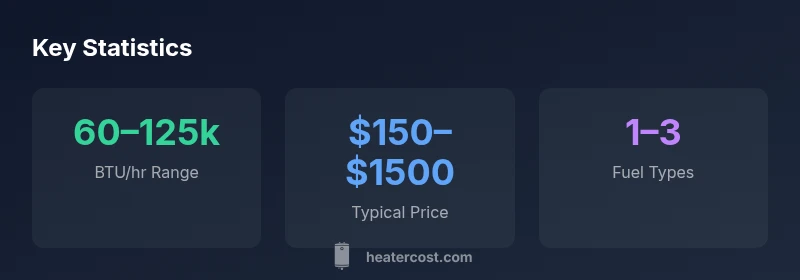
| BTU/hr | 30,000–125,000 BTU/hr | Model size and fuel source determine output |
| Fuel options | Diesel/kerosene or propane | Indoor use depends on ventilation and manufacturer guidelines |
| Typical purchase price | $150–$1,500 | Price varies with BTU and features |
| Indoor use suitability | Limited/Outdoor only | Check manufacturer guidelines |
Got Questions?
What is a torpedo heater best used for?
Torpedo heaters excel for short-term, space-heating needs in workshops, construction sites, and garages. They provide fast warmth where permanent heating isn’t feasible. For longer-term comfort, evaluate whether a fixed system or larger portable unit is more economical.
Torpedo heaters are great for quick, temporary heating in shops and garages. If you need heat for weeks or months, consider a more permanent option.
Are torpedo heaters safe to use indoors?
Indoor use depends on ventilation and model specifications. Always follow the manufacturer’s ventilation guidelines, install CO detectors, and avoid occupied living spaces. When in doubt, use outdoor ventilation or a dedicated exhaust system.
Only use indoors if the heater is rated for indoor use and you have proper ventilation and detectors.
What safety features should I look for?
Look for tip-over shutoffs, automatic shutoff on low fuel, built-in CO detectors, and clear clearance requirements. A robust warranty and service network also help with reliability and safety over time.
Make safety features a priority—tip-over protection, CO detectors, and good service support matter.
How do I estimate the right BTU for a space?
Calculate volume (length x width x height) and multiply by a heating factor that accounts for insulation and climate. As a rule of thumb, drafty spaces require higher BTU per square foot. Always confirm with a product spec sheet.
Compute space volume and insulation to pick the right BTU; larger, draftier areas need more heat.
What maintenance is required?
Regularly clean the combustion chamber, inspect fuel lines for leaks, and replace worn gaskets. Schedule annual checks if the unit sees heavy use. Maintaining records helps with warranties and resale value.
Keep it clean, inspect lines, and check seals regularly for reliable operation.
Can renters use torpedo heaters legally?
Legality varies by location and building codes. Check local regulations and property rules, and ensure proper ventilation and detectors are in place if permitted.
Check local rules and landlord approval; ventilation and detectors are often required.
“Torpedo heaters can be a practical temporary heat source when used correctly, but owners should weigh upfront cost against ongoing fuel and maintenance.”
The Essentials
- Assess space to pick the right BTU range.
- Expect price ranges based on heat output and fuel type.
- Prioritize ventilation and safety features.
- Maintenance extends heater life and safety.
- Compare total cost of ownership before buying.