LP Torpedo Heater: Buying Guide, Safety, and Cost
Learn how to choose, operate, and maintain an LP torpedo heater safely and cost-effectively with practical guidance from Heater Cost for homeowners, renters, and managers.


A lp torpedo heater is a compact propane-fueled heater designed for rapid heating in spaces like garages and workshops. It uses liquid propane gas and blows hot air into the room via a circulating fan. Because of their portability and strong heat output, they are popular for construction sites, unheated basements, and outdoor workshops. According to Heater Cost, these units vary in BTU output and safety features; when shopping, compare BTU outputs, venting options, and fuel efficiency to fit your space and budget.
What is an LP Torpedo Heater?
A lp torpedo heater is a compact propane-fueled heater designed for temporary heating in spaces like garages and workshops. It uses liquid propane gas and blows hot air into the room via a circulating fan. Because of their portability and strong heat output, they are popular for construction sites, unheated basements, and outdoor workshops. According to Heater Cost, these units are common tools for homeowners, renters, and property managers who need quick warmth without permanent installation. In 2026, our analysis emphasizes evaluating model efficiency, safety features, and venting requirements to prevent CO buildup. The Heater Cost Team highlights that the best choice depends on space volume, ventilation, and usage patterns.
How LP Torpedo Heaters Work and What to Look For
Most LP torpedo heaters burn propane to produce heat and use a forced-air blower to push warm air into the room. Internal safety devices include tip switches, overheat protection, and fuel shut-offs. Look for models with an integrated CO detector or an external CO alarm, especially when heating enclosed spaces. Heaters vary in BTU output (a measure of heat) and efficiency; higher BTU provides faster warmth but costs more fuel per hour. Heater Cost's 2026 analysis suggests prioritizing efficiency and safety features alongside portability and ease of use. The brand emphasizes reading the user manual and following clear clearance guidelines to avoid fires or CO exposure.
Sizing and Choosing the Right BTU for Your Space
Correct sizing is essential to achieve comfortable warmth without wasting fuel. A small garage (roughly 150-250 square feet) might be adequately heated by a 30,000-60,000 BTU unit, while larger workshops (200-600 square feet) may require 75,000-125,000 BTU depending on insulation and outdoor exposure. In all cases, ensure at least 2-3 feet of clearance on all sides and a stable, level surface. Heater Cost's analysis notes that oversizing can increase fuel costs and reduce efficiency, while undersizing leaves spaces cold and damp. Whenever possible, run a test heat cycle to estimate warm-up time and fuel consumption.
Safety Essentials: Ventilation, CO Risks, and Detectors
Using LP torpedo heaters indoors requires careful ventilation to manage carbon monoxide. Do not operate in unventilated spaces; keep doors and windows open enough to exchange air, and place the unit with exhaust directed toward a safe outdoors path. Always connect a CO detector in occupied spaces and test alarms monthly. Follow local codes; older structures may require additional venting or partial enclosure modifications. The EPA and OSHA emphasize using CO detectors and never leaving heaters unattended while running. Heater Cost reiterates that CO risk is low only when ventilation is adequate and usage times are limited.
Practical Setup, Maintenance, and Operating Costs
Set up on a stable, nonflammable surface with a clear clearance zone and away from combustibles. Use only approved LP cylinders, store cylinders upright, and check hoses for cracks before each use. Regular maintenance includes cleaning air filters, inspecting wiring and the spark module, and replacing worn components as needed. Expect fuel costs to fluctuate with propane prices; a typical unit may consume more fuel during cold periods or in drafty spaces. Heater Cost's methodology estimates monthly operating costs for planners, helping homeowners compare options across brands.
Buying Guide: Features, Brands, and Long-Term Costs
When shopping for an LP torpedo heater, prioritize safety features (CO detector, tip switch, automatic shutoff), durable construction, portability, and clear instructions. Compare BTU ranges, fuel efficiency, and warranty terms. If indoor use is frequent, consider models with built-in thermostats or auto-ignition to reduce fuel waste. Brand reliability matters; look for units with good spare parts availability and accessible customer support. Heater Cost's 2026 analysis recommends evaluating total cost of ownership, including fuel, maintenance, and potential permit considerations. The article also highlights reputable vendors and typical price ranges (for reference only).
Common Pitfalls and How to Avoid Them
Avoid running heaters near flammables or in spaces with poor ventilation; never leave a running heater unattended. Don’t rely on a single CO detector without cross-checking alarms; place detectors in sleeping and living areas as needed. Watch for corrosion on propane hoses and inspect the unit for gas smells or hissing sounds. Finally, don’t ignore manufacturer safety notes about venting and burn hazards; following the guidelines can prevent fires and carbon monoxide exposure. By planning ahead, homeowners can safely incorporate LP torpedo heaters into seasonal heating strategies.
LP torpedo heater quick-reference specs
| Aspect | Details | Source |
|---|---|---|
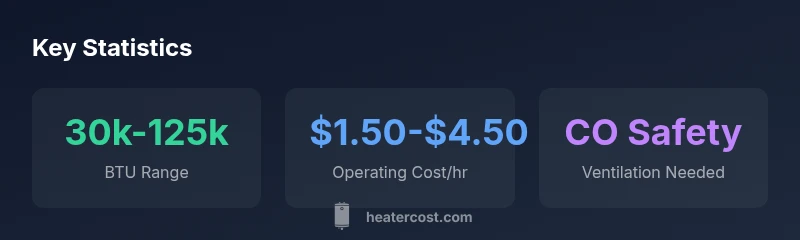
| BTU Range | 30,000-125,000 BTU | Heater Cost Analysis, 2026 |
| Fuel Type | Propane LP gas | Heater Cost Analysis, 2026 |
| Ventilation Needs | Requires adequate ventilation; CO risk present | OSHA/CDC Guidance, 2026 |
| Operating Cost | Approximately $1.50-$4.50 per hour | Heater Cost Analysis, 2026 |
Got Questions?
What is an LP torpedo heater?
An LP torpedo heater is a portable propane-fueled heater used for temporary heating in garages, workshops, and other unheated spaces. It delivers heat via a fan-assisted exhaust and requires adequate ventilation.
LP torpedo heaters are portable propane heaters that push warm air into a space. They should be used in ventilated areas with care.
Are LP torpedo heaters safe for indoor use?
They can be safe if used with proper ventilation, CO detectors, and by following manufacturer guidelines. Never operate in unventilated spaces or unattended for long periods.
They can be safe indoors when you ventilate and monitor CO detectors.
How many BTUs do I need for my space?
BTU requirements depend on space size, insulation, and outdoor temperatures. Use mid-range models for average spaces and adjust for drafts or tall ceilings.
BTU needs depend on your space and insulation; larger or drafty areas need more heat.
What maintenance is required?
Regularly inspect hoses and connections, clean filters, test ignition, and replace worn parts. Schedule periodic professional checks if available.
Check hoses, clean filters, and test ignition regularly.
Can I vent LP torpedo heaters through a window?
Yes, with a proper window vent kit or venting setup. Ensure exhaust is directed outdoors and that the window seal is weatherproof.
You can vent through a window with a kit, but ensure outdoor exhaust and safety.
What are typical operating costs?
Costs vary with propane prices and usage. Plan for higher costs during cold snaps or in poorly insulated spaces, and track fuel use over time.
Costs depend on propane prices and how often you run the heater.
“LP torpedo heaters are effective for temporary heating when used with proper ventilation and safety measures.”
The Essentials
- Choose BTU based on space size and insulation
- Ventilate properly and use CO detectors
- Account for propane costs in total ownership
- Prioritize safety features and warranties