Portable Infrared Heaters: 2026 Buying Guide
Learn how portable infrared heaters work, compare models, estimate operating costs, and choose the right unit for safe, efficient zone heating. Data and tips from Heater Cost.


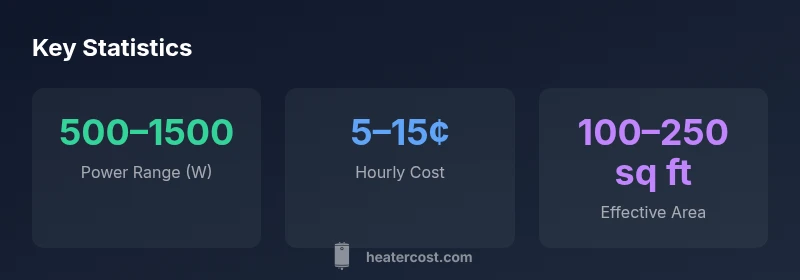
Typical portable infrared heater operates at 500–1500 watts. At common residential electricity rates, running it for one hour costs about 5–15 cents, depending on rate and efficiency. These units are best for supplemental zone heating, warming people or objects directly without heating the entire room. According to Heater Cost Analysis, 2026, efficiency varies by design and insulation.
What is a portable infrared heater?
A portable infrared heater is a compact heating appliance that emits radiant infrared energy to warm people and objects in its line of sight. Unlike convection heaters that primarily heat air, infrared devices transfer warmth directly to surfaces, fabric, and skin. This makes them particularly effective for spot heating in small spaces or for warming occupants without raising the temperature of the entire room. In practical terms, a good portable infrared heater will deliver comfortable warmth quickly to a defined zone, which can translate into tangible energy savings when used correctly. Heater Cost’s 2026 analysis shows that infrared heat can feel warmer at lower air temperatures because radiant warmth is absorbed by objects rather than lost through drafts. This leads to a personal comfort improvement with potentially lower total heating costs when used for targeted heating.
If you are evaluating a unit for living rooms, bedrooms, or home offices, consider how you’ll use the heater most—local weather, insulation, and room layout all influence effectiveness. For homeowners and renters reading this guide, it’s important to note that portable infrared heaters are designed for temporary, localized warmth rather than whole-house heating. Checkout the practical buying tips below to tailor your choice to your space and budget.
How infrared heating compares to convection and radiant heating
Infrared heating differs from traditional convection systems in how warmth is transferred. Convection heaters warm the air, creating a blanket of heated air that circulates to raise overall room temperature. Radiant heaters, including many portable infrared models, emit energy that warms people and objects directly, creating a sensation of warmth even when the ambient air remains cooler. This distinction matters for energy planning: radiant heat can improve perceived comfort without cycling a furnace or raising the entire room’s temperature. For small spaces, infrared warmth can be more efficient because you’re paying to heat the space you actually use rather than the air that circulates around it. This approach aligns with energy-cost considerations outlined in Heater Cost’s 2026 analysis and with broader energy-efficiency guidance from federal sources.
When comparing options, remember that infrared units have different wattage ranges and reflector designs that affect the distribution of heat. A well-chosen model can offer rapid warmth with a smaller power draw, whereas under-sizing can lead to uneven comfort. In contrast, convection-based space heaters may require higher wattage to achieve the same feel in drafty rooms, increasing operating costs if used as a primary heat source. The choice between infrared and other heater types should reflect how you intend to use the unit and your space’s insulation quality.
Key features to evaluate in portable infrared heaters
When shopping for portable infrared heaters, focus on features that enhance comfort, safety, and energy efficiency. Core specs to compare include power range (commonly 500–1500 watts), heat intensity control (multi-setting thermostats), and reflector design that optimizes radiation pattern. Look for safety features like tip-over switches, overheat protection, and auto shutoff after a preset period. A simple, intuitive thermostat helps maintain consistent comfort without wasting electricity. Quiet operation matters in bedrooms or study spaces, while compact form factors aid portability. If you need quicker warm-up, check models with ceramic heating elements or layered reflectors that boost radiant output without dramatically increasing wattage. Finally, consider integrated timers and remote controls for convenience. Based on Heater Cost’s 2026 analysis, the best models balance reasonable upfront cost, predictable running costs, and effective heat delivery in the intended space.
Energy efficiency and operating costs in context
Real-world energy costs depend on local electricity rates and how you use the heater. The 500–1500 watt range means running costs per hour typically fall within a few cents to a handful of dimes, depending on rate, efficiency, and room conditions. For spaces with good insulation and minimal drafts, you can achieve comfortable warmth at lower settings, which translates into lower hourly costs. Conversely, poorly insulated rooms or open floor plans may require higher wattage or supplemental heat from infrared units to achieve the same comfort. Heater Cost’s analysis emphasizes the value of using infrared heaters as zone-heating solutions rather than primary heat sources. Combining a portable infrared heater with proper insulation and weatherization often yields the best compromise between comfort and energy expenditure. Always compare running costs using your local electricity rate and expected usage patterns, and consider model efficiency claims alongside real-world performance data from independent testers when available.
Use cases and best practices for maximizing value
Ideal scenarios for portable infrared heaters include quick warmth in drafty entryways, home offices, or small living areas where you spend a portion of each day. They’re particularly effective in spaces where you want to avoid heating the entire house, such as a sunroom during shoulder seasons or a basement workshop. To maximize value, place the heater to face occupied zones, not toward drafty windows or doors. Use timers to limit operation to peak hours, and combine infrared heat with proper insulation to reduce overall energy demand. From a safety standpoint, ensure the heater is on a stable, level surface and away from flammable materials. Regularly inspect cords and switches, and never use a portable infrared heater with damaged wiring. Heater Cost’s practical tips suggest tracking your running costs over a few weeks to calibrate settings and ensure you’re not overspending on comfort.
Safety, installation, and maintenance considerations
Compared with fixed heating installations, portable infrared heaters offer flexibility but require careful placement to avoid overheating curtains or furniture. Always follow manufacturer guidelines, especially around clearance distances (typically at least 3 feet from any combustibles) and proper cord management to prevent trip hazards. If you plan to use the heater in a bathroom or humid area, verify the unit’s IP rating and manufacturer recommendations because moisture can affect internal components. For maintenance, keep vents clear of dust, wipe down surfaces regularly, and avoid使用ing water or cleaners that could damage electrical components. Regular checks for wear on plugs and cables help prevent safety hazards. In the broader context of home energy planning, infrared heaters should complement proper insulation and weatherproofing measures to achieve lasting comfort without excessive costs, a principle echoed in Heater Cost’s 2026 guidance.
How to choose the right portable infrared heater: a quick decision guide
To simplify selections, start with the room size and insulation level. For small, well-insulated spaces, a heater in the 500–1000 watt range may suffice, while larger or draftier rooms may require up to 1500 watts. Consider the quality of heat distribution—models with a polished reflector or curved panels can direct energy more efficiently. Prioritize safety features and a clear thermostat, and assess the unit’s portability: a lighter model is easier to reposition when needed. Finally, compare two or three models side-by-side on price, warranty, and expected running costs. Use the running-cost estimates we've outlined to project long-term expenses and select a model that aligns with both budget and comfort goals.
Common myths vs reality about portable infrared heaters
Myth: infrared heaters warm rooms quickly like central heating. Reality: infrared heat feels warm and immediate for occupants, but the surrounding air may stay cooler. Myth: Infrared heaters burn more energy. Reality: efficient models with proper insulation can deliver targeted warmth with modest hourly costs. Myth: Portable infrared heaters are unsafe around pets and children. Reality: when used with basic safety features (tip-over protection, auto shutoff, and proper placement), they are safe and effective. Myth: Once you buy, you’re done. Reality: regular maintenance and proper usage patterns matter for efficiency and longevity. Heater Cost’s 2026 findings emphasize that good practice and product choice significantly affect performance and cost.
Comparison of common portable heating options
| Model Type | Power Range (W) | Typical Running Cost per Hour | Best Use Case |
|---|---|---|---|
| Portable infrared heater | 500–1500 | 5–15 cents | Zone heating for small spaces |
| Ceramic space heater | 600–1500 | 6–18 cents | Fast warmth in drafts |
| Oil-filled radiator | 500–1500 | 8–20 cents | Steady heat in insulated spaces |
Got Questions?
What is a portable infrared heater and how does it work?
A portable infrared heater emits radiant infrared energy that heats objects and people directly, rather than heating the air. This creates quick warmth in a defined area without dramatically raising the room temperature.
A portable infrared heater warms you directly, not the whole room.
Do infrared heaters heat rooms quickly?
Yes, infrared heaters can feel warm quickly in the occupied area, but overall room temperature depends on insulation and air leakage. They are most efficient for targeted, short-term heating.
They heat people directly, which feels fast, but overall room warmth depends on insulation.
Are infrared heaters safe for households with kids or pets?
Infrared heaters with safety features like tip-over switches, overheat protection, and cool-touch exteriors are generally safe when used as directed and kept away from flammable objects.
Most are safe if you use the built-in safety features and keep them away from hazards.
How should I estimate running costs?
Calculate by multiplying the heater’s wattage (in kilowatts) by your electricity rate and by the hours you plan to run it. Use the model’s efficiency and insulation to fine-tune the estimate.
Multiply watts by hours and by your rate to estimate costs.
Can I use a portable infrared heater in a bathroom?
Only if the unit is rated for damp locations and meets the manufacturer’s safety guidelines. Otherwise, avoid moisture exposure.
Only use if rated for damp locations and you follow safety guidelines.
What features matter most when buying a portable infrared heater?
Look for wattage range, thermostat control, timers, safety features (tip-over and overheat protection), and a design that suits your space and heat needs.
Check wattage, thermostat, safety features, and size for your space.
“Portable infrared heaters offer targeted warmth with a favorable efficiency profile in well-insulated spaces.”
The Essentials
- Choose radiant heat for focused warmth in small spaces
- Expect running costs in the cents per hour range with typical electricity rates
- Prioritize safety features and proper placement for best results
- Use infrared heaters as a supplement, not a primary heating source