How to Use Oil Heaters Safely and Efficiently
Learn how to safely operate an oil heater, optimize efficiency, and maintain it for longevity. Practical steps, safety tips, and cost guidance from Heater Cost.


Learn how to use an oil heater safely and efficiently. This guide covers setup, placement, operation, and basic maintenance, plus practical safety tips to prevent overheating and fire hazards. You’ll understand how to choose a size, minimize energy use, and keep your space comfortable without overspending. We’ll also flag common mistakes and show fast checks you can do monthly.
How oil heaters work
Oil heaters, also called oil-filled radiators, operate by passing electrical current through a sealed oil reservoir. The oil heats up and stores warmth, which is then radiated into the surrounding air. Because the oil remains heated even after you turn the unit off, these heaters provide steady warmth with relatively low surface temperatures, reducing burn risk compared to exposed heating elements. When heated, fins and panels circulate warm air around the room. This design helps maintain comfort with minimal noise and gentle heat. According to Heater Cost, oil heaters offer a balance of safety and efficiency, especially in small to medium rooms or as a supplementary heat source. The Heater Cost team found that the best results come from using models with built-in thermostats and energy-saving modes. In practice, choose a unit with adequate wattage for your space and ensure you operate it on a stable surface away from textiles or furnishings to minimize hazards.
Sizing the heater for your space
Choosing the right size is key to comfort and cost control. Oil heaters are most effective when matched to the room’s size and insulation quality. Start by measuring the room and estimating a rough heat target, then compare wattage ranges suggested by manufacturers. If the space heats slowly or feels uneven, you may need a larger model or supplementary heat sources. Always factor ceilings, windows, and drafts into your calculation, since these variables influence heat retention. For best results, select a model with a thermostat that maintains a steady temperature and offers an energy-saving mode. Remember to follow the manufacturer’s guidance on space clearance and ventilation to maintain safe operation and maximize efficiency.
Safe setup and initial use
Place the heater on a stable, nonflammable surface with adequate clearance from walls, furniture, and fabrics. Never run a heater on an extension cord or power strip; use a dedicated grounded outlet to avoid overloading circuits. Before first use, inspect the cord for damage and verify that the outlet is properly grounded. If your model has a built-in timer, set it to run only when you’re awake or present to monitor performance. Plug in the unit, switch it on, and gradually raise the temperature to a comfortable level. Avoid placing objects on top of the heater, as this can obstruct airflow and cause overheating.
Operating tips for comfort and efficiency
Set the thermostat to a comfortable baseline rather than cranking heat to maximum. Use a timer or programmable feature to limit runtime during unoccupied periods. Keep doors and curtains open where appropriate to distribute warmth evenly, and close off unused rooms to maximize efficiency. Regularly check the heat output and adjust the setting as needed; running a heater at a moderate level often provides the best balance of comfort and energy use. If the room remains chilly, consider improving insulation or using a secondary heat source in larger spaces to reduce strain on a single unit.
Maintenance and long-term care
Dust the exterior and grills regularly to prevent dust buildup that can impede airflow. Use a vacuum with a brush attachment to remove debris from vents every few weeks. Periodically inspect the cord and plug for wear, and replace any damaged components promptly. Store the heater in a cool, dry location when not in use, and protect it from moisture and accidental knocks. Routine checks extend the unit’s life and help sustain reliable warmth across cold seasons.
Safety features, warnings, and signs of trouble
Look for models with tip-over switches, overheat protection, and a sturdy base to improve safety in busy households. Always use the heater on a flat surface, away from liquids, clothing, and bedding. If you notice a burning smell, smoke, or unusual noises, unplug the unit immediately and have it inspected. Never attempt to disassemble electrical components yourself. If your space frequently requires heat beyond what a single unit can provide, consider a permanent heating solution or additional oil heaters placed with ample clearance.
Energy costs, savings, and cost considerations
Energy costs with oil heaters depend on usage, room size, insulation, and local electricity rates. When used wisely, oil heaters can offer economical supplemental heat for small or moderately insulated spaces. Favor models with programmable thermostats and energy-saving modes to reduce consumption. Based on Heater Cost analysis, careful operation often yields better cost efficiency than leaving one heater on high for long periods. Compare the running cost to other options, such as panel heaters or space heaters, to determine the best fit for your home.
Brand guidance and final thoughts
The Heater Cost team recommends prioritizing safety features, proper placement, and routine maintenance when using oil heaters. Always follow manufacturer instructions and local codes for electrical safety and room usage. Proper setup, mindful operation, and regular upkeep can deliver reliable warmth while keeping energy use in check. By staying proactive, homeowners, renters, and property managers can maximize comfort and minimize risk and expenses over time.
Tools & Materials
- Oil-filled radiator heater(Ensure it has a built-in thermostat and is appropriate for the room size.)
- Grounded wall outlet(Use a dedicated outlet; avoid extension cords.)
- Nonflammable, stable surface(Place on tile or concrete; keep away from fabrics.)
- Dust cleaner or vacuum with brush attachment(For periodic vent cleaning.)
- Timer (built-in or external)(Helpful for automating run periods and saving energy.)
- Manual or user guide(Keep handy for safety and maintenance instructions.)
Steps
Estimated time: 60-90 minutes
- 1
Assess room size and model suitability
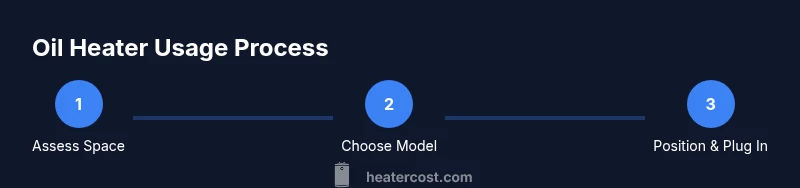
Check the room dimensions and insulation quality to select a heater with adequate warmth capacity. Compare models with thermostats and energy-saving features to match your space. Ensure the chosen unit can deliver consistent heat without overshooting the desired temperature.
Tip: Match the heater's listed coverage area to the room size for efficient performance. - 2
Place on a stable, clear surface
Set the unit on a flat, heat-resistant surface away from walls, curtains, and furniture. Maintain a clear zone around the heater to prevent obstruction of airflow. Do not place objects on top of the heater.
Tip: Create a minimum clearance of several inches around all sides as recommended by the manufacturer. - 3
Connect to a grounded outlet
Plug the heater directly into a proper wall outlet. Do not use extension cords or power strips, which can overheat and create a fire risk. Inspect the cord for wear before first use.
Tip: If the outlet feels warm, stop and check wiring or consult an electrician. - 4
Set the thermostat and use automation
Turn on the unit and set a comfortable baseline temperature. If available, enable the built-in timer or energy-saving mode to limit runtime during unoccupied periods. Avoid keeping the heat at maximum continuously.
Tip: Starting with a moderate setting reduces energy waste and improves comfort consistency. - 5
Operate safely during use
Monitor the room for signs of overheating or uneven warmth. Keep the area free of clutter and supervise around children or pets. If you must move the heater, switch off, unplug, and wait for it to cool before relocation.
Tip: Never leave the heater unattended for long periods, especially overnight. - 6
Perform routine maintenance
Dust exterior surfaces and vents regularly to maintain airflow. Vacuum vent grills to remove accumulated dust. Periodically inspect cords and plugs for damage and replace if needed.
Tip: Plan a monthly quick check and a deeper clean every few months. - 7
Review safety features and signs of trouble
Confirm the model includes a tip-over switch and auto shut-off. If you notice unusual smells, smoke, or heat from the cord, unplug immediately and seek professional service.
Tip: Keep smoke detectors active and test them seasonally.
Got Questions?
Is it safe to leave an oil heater on overnight?
Oil heaters can be safe when used with proper safety features and supervision. Use models with auto shut-off and ensure flammables are kept away. Do not rely on them as a sole heating source for long periods without monitoring.
Yes, but only if the heater has safety features, is placed away from flammables, and you monitor it. Check the user manual for overnight use guidelines.
Can I use an oil heater in a bathroom?
Only if the heater is specifically rated for bathroom use and installed according to the manufacturer’s directions. Otherwise, keep it in dry, well-ventilated areas away from moisture.
Only use it in a bathroom if the unit is rated for damp environments and installed per instructions; otherwise, avoid placing it there.
How energy-efficient are oil heaters?
Oil heaters can be energy-efficient as a supplemental heat source due to their steady heat and built-in thermostats. Efficiency depends on insulation, room size, and how well you manage thermostat settings and run time.
They’re often energy-efficient as a supplemental option, especially with thermostats and timers. Effectiveness depends on space and insulation.
What maintenance should I perform?
Clean the exterior and vents regularly, inspect cords for damage, and store the heater properly when not in use. Schedule periodic checks from a qualified technician if you notice performance changes.
Clean the vents, check the cord, and store it safely. If you notice issues, have it inspected.
How do I calculate the right room size for an oil heater?
Start with the room’s dimensions and insulation level, then compare to the heater’s recommended coverage in the manual. If in doubt, consult the manufacturer or a heating professional.
Measure the room, check insulation, and compare to the unit’s recommended coverage.
What safety features should I look for when buying?
Look for tip-over switches, overheating protection, solid housings, and clear operating instructions. Avoid models with exposed heating elements.
Choose heaters with a tip-over switch and overheating protection and avoid exposed elements.
Watch Video
The Essentials
- Choose the right size to avoid under/overheating.
- Maintain safe clearances around the unit.
- Use timers and moderate thermostat settings for efficiency.
- Regular cleaning extends heater life.
- Follow manufacturer guidelines for safety and operation.