How to Use an Immersion Water Heater: A Practical Guide
Learn how to safely operate an immersion water heater, choose the right container, monitor temperatures, and maintain the device for reliable hot water in any setting.


With this guide you will learn how to safely use an immersion water heater, including choosing the right container, selecting appropriate wattage, and the correct immersion depth. You’ll also learn how to connect power safely, monitor temperature, and shut off correctly. Finally, we cover cleaning, storage, and routine maintenance to extend life and reduce hazards.
How immersion heaters work and common use cases
An immersion water heater heats water by placing a heating element directly into the liquid. This design is compact, quick to respond, and often used for emergency hot water in cottages, workshops, or small-volume needs where a full boiler isn’t practical. According to Heater Cost, the heater’s efficiency comes from transferring energy directly into the water with minimal standby losses when the unit is properly sized and submerged. The key to safe operation is ensuring the vessel and water can tolerate the heat and that the heater is rated for the voltage and environment. In practice, immersion heaters are best suited for containers that offer a stable base, clear immersion depth, and easy access for plugging and unplugging. By understanding these basics, homeowners can evaluate whether an immersion heater is a good fit for occasional hot-water tasks or supplemental heating, while avoiding common pitfalls like dry firing or splashes near electricity.
Safety prerequisites before using an immersion heater
Before you even plug in, establish a safety foundation. Ensure the outlet is properly grounded and protected by a residual-current device (RCD) or ground-fault circuit interrupter (GFCI) where possible. Use a container that is non-conductive on the exterior or has heat-resistant insulation, and keep the heater away from flammable materials. Never operate the device near standing water on ungrounded surfaces or outdoors in damp conditions without weatherproof protection. Visual inspections are important: check the cord, plug, and immersion element for wear, and confirm the water is free of debris that could clog or damage the element. If you notice chipping, cracking, or corrosion, discontinue use and replace the unit.
Containers and depth: choosing the right vessel and placement
The most important compatibility factor is that the container can withstand both the heat and the liquid volume. Metal pots or buckets with a wide opening are common, but ensure the material won’t deform or react with water. For plastic containers, verify heat resistance and ensure they won’t warp under temperature changes. Submerge the element so the heating portion is covered, with enough water around the element to allow efficient heat transfer. Avoid containers with narrow necks or tall walls that limit immersion depth or trap air pockets around the element, which can hinder heating and create hotspots.
Temperature control and energy efficiency
Immersion heaters are most efficient when you target a practical heating temperature and avoid boiling away water. When possible, set a temperature goal and monitor progress with a thermometer. If your unit has a thermostat, trust it to regulate heat, but keep an external check to prevent overheating. Remember that energy use scales with water volume and heating time; smaller batches heat faster and more efficiently than large volumes. Always plan for safe shutdown if you reach the desired temperature and reduce power to minimal necessary levels.
Maintenance, cleaning, and long-term care
Regular maintenance prolongs life and reduces the risk of failure. After use, unplug the heater and allow the water and element to cool before removing. Rinse out the container to remove mineral buildup and inspect the heating element for signs of scale, corrosion, or insulation wear. If mineral deposits appear, a gentle vinegar or citric acid flush followed by thorough rinsing can restore heat transfer efficiency—avoid aggressive cleaners that could degrade the element’s coating. Store the device in a dry, protected area to prevent moisture ingress into the plug or cord.
Troubleshooting and common issues
If the heater doesn’t heat, verify the outlet is powered and the device is fully submerged. Check for a damaged cord, a blown fuse, or an unsecured plug. Noise, vibration, or unusual smells can indicate wiring issues or degraded insulation, in which case discontinue use immediately. Persistent leaks around the seal or housing require professional inspection or replacement. In all cases, never bypass safety features or operate the heater without water present, as this can cause overheating and fire risk.
Tools & Materials
- Immersion water heater with adjustable thermostat (or fixed wattage unit)(Ensure it is rated for the voltage in your outlet and submersion in water.)
- Heat-resistant container(Plastic is acceptable only if rated for the heat; metal or ceramic are common choices.)
- Thermometer or temperature probe(Helpful for precise control; not always built into every unit.)
- Protective gloves and tongs(Use to handle hot containers and to lift the unit safely.)
- Grounded power outlet with GFCI/RCD protection(Reduces risk of electric shock around water.)
- Clean water and mineral deposit cleaner (optional)(For maintenance after use if mineral buildup is present.)
- Dry storage rack or container(Keeps the heater dry when not in use.)
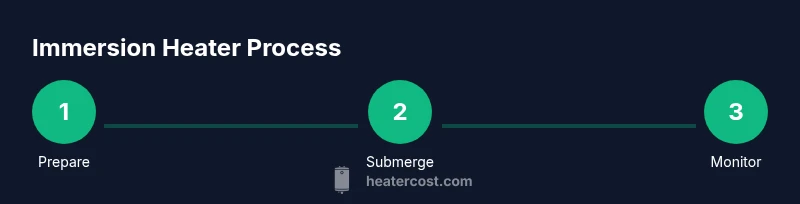
Steps
Estimated time: 45-60 minutes
- 1
Power off and inspect setup
Before touching the heater, unplug the power source and inspect the cord and plug for any wear or damage. Confirm the container is clean, dry around the rim, and stable. This prevents shocks from faults and ensures a safe operation start.
Tip: Do a quick visual check of the plug and cord for cracks or insulation wear. - 2
Choose the vessel and prepare water
Select a vessel that can safely hold both the water and the heater with some clearance around the element. Fill with enough water to cover the heating portion completely, leaving space at the top to avoid splashing. Proper water volume ensures efficient heat transfer and reduces dry-running risk.
Tip: Use room-temperature water to avoid thermal shock if the container is cold. - 3
Submerge the heater carefully
Slowly lower the immersion element into the water, keeping hands clear of the heating surface. Ensure the entire heating portion is submerged and there are no air pockets that could cause hotspots. Submersion depth is crucial for safe operation and effective heating.
Tip: Use a non-slip glove or dry towel to lower the heater. - 4
Connect power and monitor heat
Plug into a grounded outlet and monitor the initial heat phase. If your unit has a thermostat, set it to the desired temperature and observe the water warming gradually. Avoid reaching a boil unless your task specifically requires it, to save energy and reduce wear on the element.
Tip: Stay within arm's reach during the first minutes to catch any issues early. - 5
Maintain safe operation and adjust as needed
As the water warms, maintain a safe distance from steam and hot surfaces. Adjust power as needed to control the rate of heating without overshooting the target temperature. If you notice unusual sounds or smells, shut off immediately and inspect the unit.
Tip: Prefer gradual heating over rapid surges in power. - 6
Shutdown, cool, and remove safely
When the target temperature is reached, unplug the heater before lifting it from the water. Allow the device to cool in a safe area away from flammable materials. Drain the container if you do not intend to reuse the water immediately, then dry and store the heater.
Tip: Never attempt to remove a hot heater with bare hands.
Got Questions?
Can I use an immersion heater in a plastic bucket?
Only if the bucket is rated for heat and the heater's power level is appropriate for the container. Using an un rated plastic can deform or melt and create a hazardous situation. Always follow the heater's manufacturer guidelines.
Only use a heat-rated plastic bucket if the heater's power and the container are explicitly approved. Otherwise, choose a metal or ceramic vessel.
Is it safe to leave water heating unattended?
No. Do not leave the heater running unattended. Stay within reach to monitor temperature, listen for unusual sounds, and cut power if anything seems off. Unattended heating increases the risk of overheating or electrical faults.
No, you should always supervise immersion heating and be ready to unplug if anything seems abnormal.
What should I do if the heater isn’t getting hot?
Check that the unit is fully submerged, confirm the outlet is powered, and inspect the cord for wear. If the fuse is blown or the plug is loose, address the electrical fault before retrying. Do not bypass safety features.
First, ensure submerged, then check the outlet and cord for faults before trying again.
How do I maintain an immersion heater?
Regularly clean mineral deposits from the heating surface and container. Inspect the insulation and cord for wear, and store the unit dry to prevent moisture damage. Periodic checks help prevent efficiency loss and safety hazards.
Clean the element if you notice buildup, inspect the cord, and store it dry.
Can immersion heaters heat water for showers?
Yes, for small-scale or temporary setups, immersion heaters can heat water for showers when used with a suitable vessel and proper safety practices. They are not intended to replace a full domestic hot-water system.
They can work for small, temporary setups if used safely.
Watch Video
The Essentials
- Choose a compatible, heat-rated container.
- Never operate the heater without water or with a damaged cord.
- Monitor temperature and avoid overheating to save energy.
- Follow safety guidelines; The Heater Cost team recommends this approach.