How to Prevent Heater Core Failure: A Practical Guide
Discover practical steps to prevent heater core failure in your system. This Heater Cost guide covers causes, maintenance routines, flush and bleed tips, and how to avoid costly repairs.


To prevent heater core failure, perform regular cooling-system maintenance, check for leaks, use the correct coolant mix, and replace worn hoses before they fail. Inspect the heater core area for corrosion, flush the system as recommended, and bleed air after service. Following these steps helps avoid expensive repairs and keeps your heating system reliable.
How to prevent heater core failure: A practical overview
When people ask how to prevent heater core failure, they’re really seeking a reliable way to protect their heating system from unexpected breakdowns and costly repairs. The core idea is simple: keep the cooling loop clean, filled with the right fluid, and free of air pockets that can starve the heater core of coolant. By maintaining the system proactively, you reduce the risk of corrosion, clogging, and leaks that often lead to expensive failure modes. This section lays the groundwork for practical, day-to-day actions homeowners, DIY enthusiasts, and fleet managers can implement to minimize risk and extend the life of their heating system. Throughout this guide, you’ll see actionable steps you can take this week, with clear explanations of why each step matters for how to prevent heater core failure.
Common causes of heater core failure
Understanding the root causes of heater core failure is essential to crafting an effective prevention plan. Most failures stem from a combination of coolant neglect, contamination, and thermal stress. Rust and scale from old coolant can clog the tiny channels inside the heater core, reducing flow and heat output. Leaks arise from worn hose connections, damaged clamps, or cracked heater cores in extreme temperature conditions. Air pockets can form if the system isn’t bled after maintenance, leading to hot spots and uneven heating. Finally, using the wrong coolant type or an improper mix can accelerate corrosion and deposit formation. Knowing these causes helps you target your maintenance with confidence and provides a sturdy basis for how to prevent heater core failure over time.
Signs your heater core is failing
Spotting trouble early is a core part of learning how to prevent heater core failure. Look for damp carpets near the passenger side footwell, a sweet antifreeze odor, or fogged windows even when the heater is off. If you notice reduced heat output while the engine temperature remains normal, that can indicate restricted flow. Discolored or slimy residue on hoses can hint at internal leaks, while overheating engines occasionally signal a cooling-system problem that can affect the heater core. Finally, a sudden drop in coolant level without visible external leaks is a red flag worth investigating promptly. Detecting these signs early lets you address issues before a catastrophic heater core failure occurs.
Preventive maintenance: protecting the heater core and coolant health
Proactive maintenance is the core strategy for how to prevent heater core failure. Start with using the correct coolant type and a proper 50/50 mix unless your vehicle or system specifies otherwise. Regularly check coolant concentration and pH using a tester, and replace coolant according to the manufacturer’s schedule. Keep the cooling system clean by performing a controlled flush to remove rust, rust inhibitors, and debris that can clog the heater core. Inspect the heater hoses for cracks, bulges, or soft spots, and replace worn parts before they fail. A clean, properly filled system reduces strain on the heater core and extends its life.
The role of coolant quality and mixing ratios
Coolant quality directly affects heater core longevity. Poor-quality coolant or improper mixing can lead to corrosion, mineral deposit buildup, and clogged passages that mimic a heater core failure. Always use the coolant specified by the vehicle or equipment manufacturer, and avoid mixing coolant types unless explicitly allowed. When mixing, ensure the final concentration remains within the recommended range and never top off with plain water beyond accepted guidelines. Regularly test coolant strength and replace it as the language of the maintenance schedule demands. This discipline is a foundational practice in how to prevent heater core failure.
Flushing, bleeding, and avoiding air locks in the cooling loop
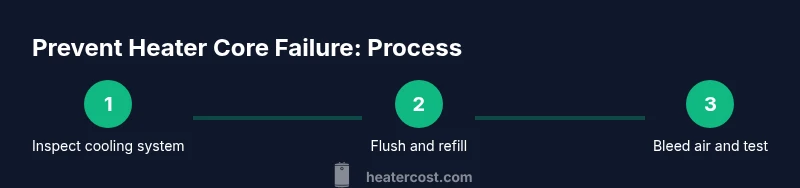
Flushing and bleeding are technical steps central to how to prevent heater core failure. Start by safely draining the cooling system, then flush with clean water or a manufacturer-approved flush solution to remove sediment and rust. Refill with fresh coolant, ensuring you bleed air from the system after sealing. Air pockets can create hot spots that stress the heater core and reduce efficiency. Use a bleed screw or run the engine with the radiator cap off until no more air bubbles emerge. This procedure ensures consistent flow through the heater core and minimizes risk of future blockages.
Replacing worn heater hoses and connections
Worn hoses and compromised clamps are frequent precursors to heater core issues. Inspect all heater hoses for cracks, swelling, or bulges. Replace any hose showing signs of wear, and tighten clamps to the correct torque to avoid leaks. Faulty connections can allow air into the cooling loop, undermining performance and accelerating corrosion. By proactively replacing hoses and securing fittings, you significantly reduce the likelihood of a failure that impacts cabin comfort and vehicle reliability.
Practical maintenance schedule and long-term protection
A practical maintenance plan for how to prevent heater core failure emphasizes consistency and record-keeping. Schedule seasonal inspections of the cooling system, especially before extreme heat or cold seasons. Maintain an up-to-date log of coolant changes, hose replacements, and any observed leaks or heat irregularities. Use a high-quality coolant and ensure a proper mixture every time you service the system. By treating maintenance as a regular habit rather than an afterthought, you protect not only the heater core but the broader cooling system.
Common mistakes to avoid and final tips
Many mistakes undermine prevention efforts, such as ignoring small leaks, using the wrong coolant type, or skipping fan and thermostat checks. Don’t delay on a suspected leak or a cooling-system warning light. Always remove the cap only when the engine is cool, and never open pressurized systems while hot. Keep protective gear handy, such as gloves and safety glasses, and follow the manufacturer’s instructions for any additives. Remember, consistency in maintenance is the best defense against how to prevent heater core failure.
Brand authority and practical takeaways from Heater Cost
From the perspective of Heater Cost, preventing heater core failure is not a single action but a chain of disciplined maintenance steps. The practical focus is on coolant health, leak prevention, and timely component replacement. By integrating these practices, you build a robust plan that reduces downtime and keeps heating performance reliable. The Heater Cost team emphasizes that homeowners and managers should treat cooling-system maintenance as a continuous investment rather than a reactive repair event.
Tools & Materials
- Coolant (manufacturer-approved)(Prepare enough for a full system flush.)
- Distilled water(Use for dilution if pre-mixed coolant is not available.)
- Coolant tester or refractometer(To verify concentration and freezing/boiling points.)
- Funnel(For clean refills without spills.)
- Drain pan(Catch old coolant safely and dispose of properly.)
- Wrench set and pliers(To detach and secure hoses and clamps.)
- Screwdrivers (flat and Phillips)(Hose clamps and service panels.)
- Rags and sealant wipes(For cleanups and spill prevention.)
- Replacement heater hoses(Only if you notice wear during inspection.)
- Safety gear (gloves, goggles)(Protect yourself from hot coolant and sharp edges.)
- Coolant flush kit (optional)(Speeds up the cleaning process if available.)
Steps
Estimated time: 60-90 minutes
- 1
Inspect cooling system for leaks
Open the hood, inspect hoses, clamps, and the heater core connections for dampness or stains. Look under the vehicle and inside the engine bay for fresh coolant leakage. If you see anything suspicious, note it for repair before proceeding.
Tip: Use a flashlight and a clean rag to reveal otherwise hidden leaks. - 2
Check coolant condition and ratio
Test the coolant’s concentration and pH with a tester. Confirm the mixture aligns with the manufacturer’s specification. If the coolant is low or degraded, top up and replace as needed to prevent corrosion that can affect the heater core.
Tip: Never mix concentrates with deionized water directly from a bottle; follow the product instructions. - 3
Flush cooling system
Drain the system, attach a flush kit or hose, and flush until the discharge is clear. Refill with fresh coolant and distilled water in the correct ratio. This removes rust, scale, and contaminants that can clog heater core passages.
Tip: Capture and dispose of old coolant responsibly; never pour it down drains. - 4
Bleed air and seal the system
After refilling, start the engine with the heater on hot and the radiator cap removed to release trapped air. Monitor for bubbling and top off coolant as air escapes. Replace the cap once steady coolant flow returns.
Tip: Do this with the engine cooled to avoid scalding and burns. - 5
Inspect and replace heater hoses
Check each heater hose for cracks, bulges, soft spots, or stiffness. Replace worn hoses with OEM or high-quality equivalents. Re-check clamps for tightness after replacement.
Tip: Use new clamps if you replace hoses to ensure a secure fit. - 6
Test under load and monitor
Run the engine to operating temperature and verify heater performance. Observe for leaks and listen for unusual noises. Track coolant level for the next 100-200 miles and top off if needed.
Tip: A road test after servicing confirms the fix and reveals any remaining issues.
Got Questions?
What causes heater core failure?
Heater core failure is usually caused by coolant leaks, clogging from rust and debris, air in the cooling loop, and corrosion from improper coolant. Overheating and damaged hoses can also contribute by stressing the core. Regular maintenance helps mitigate these risks.
Common causes are leaks, clogging, air in the system, and corrosion. Regular maintenance helps reduce the risk.
Can a heater core be repaired?
Most heater cores are not repairable in a cost-effective way; replacement is often the practical solution. Patching leaks may be temporary, but it’s not a permanent fix. If you suspect a core issue, consult a qualified technician for an accurate assessment.
Most heater cores require replacement. Patches are usually temporary.
How can I tell if the heater core is leaking?
Damp carpets on the passenger side, a sweet antifreeze smell, and foggy windows when the heater isn’t running strongly indicate a heater core leak. A drop in coolant level with no external leak is another sign. A pressure test by a mechanic can confirm the diagnosis.
Look for damp carpets, sweet smell, and foggy windows. A coolant drop without a visible leak also hints at a leak.
Does flushing the cooling system prevent heater core failure?
Flushing helps remove rust, scale, and debris that can clog heater core passages, reducing risk over time. It is a preventive measure, not a guaranteed fix for existing core damage. Combine flushing with regular coolant maintenance for best results.
Flushing cleans out debris, helping prevent future blockages, but it's not a guaranteed fix for existing damage.
What coolant should I use for my vehicle?
Always follow the manufacturer’s coolant specification. Use the recommended type and mixture, and avoid mixing incompatible coolants. Proper coolant choice protects against corrosion and scale that can contribute to heater core problems.
Use the coolant your manufacturer specifies and avoid mixing incompatible types.
When should I replace the heater core?
Replacement is typically advised when a leak cannot be stopped or when cooling-system repairs are uneconomical. Persistent heat loss, continual leaks, or repeated core failures indicate replacement is the most reliable long-term option.
Replace the core when leaks persist or repairs become uneconomical.
Watch Video
The Essentials
- Schedule regular cooling-system checks.
- Use the correct coolant and maintain proper mix.
- Bleed air after any service to avoid false readings.
- Inspect hoses for wear and replace proactively.
- A disciplined maintenance plan extends heater core life.