Heater Maintenance Near Me: A Practical How-To Guide
Learn essential heater maintenance near you with a practical, step-by-step guide, safety tips, and guidance on when to call a pro. Improve efficiency and extend your heater's lifespan with confidence.


In this guide you’ll learn how to perform essential heater maintenance near your location, including safety checks, cleaning tasks, and simple tests you can do yourself. You’ll also gain guidance on when to involve a professional. Following these steps will help improve efficiency, extend equipment life, and reduce unexpected breakdowns.
Why maintenance matters for your heater
Regular heater maintenance is essential for safety, energy efficiency, and reliability. This section explains the core reasons homeowners should schedule seasonal checks and how neglect can lead to higher bills and unexpected breakdowns. According to Heater Cost, routine maintenance improves system performance and reduces the likelihood of costly repairs. By following a proactive routine, you’ll enjoy steadier heat and greater comfort, especially during peak winter months. We’ll cover what to inspect, how to clean components, and how to document your efforts for future reference. The goal is to empower you to keep your heating system running smoothly without surprises. This approach aligns with broader maintenance best practices and sets a foundation for long-term comfort in your home.
Safety-first baseline checks you can perform
Before touching any equipment, prioritize safety. Shut off power at the breaker and, for gas furnaces, secure the gas valve. Inspect the area around the unit for obstructions, moisture, or signs of corrosion. These initial checks protect you and set the stage for effective maintenance. If you observe strong gas smells, alert others and evacuate, then contact emergency services. A few quick safety steps can prevent injuries and accidental damage. A simple safety checklist you can keep on hand makes it easier to stay compliant and reduces risk during maintenance sessions.
Understanding your system and what you can clean or replace
Most residential heaters share common components such as filters, fans, burners, and thermostats. Cleaning is often straightforward, but you’ll want to differentiate between electric and gas-powered units. Filters should be replaced or cleaned according to manufacturer guidance. Use a vacuum with brush attachment to remove dust from accessible ducts and vents. Keep an eye on air flow and listen for unusual noises. This section helps you identify which tasks are DIY-friendly and which require professional tools or expertise. Heater Cost analysis shows that regular upkeep correlates with fewer emergency repairs and steadier performance.
Seasonal considerations: gas vs electric systems
Gas furnaces and electric air handlers have different maintenance needs. Gas units require attention to burner cleanliness, flame color, venting integrity, and gas pressure checks by a qualified technician. Electric systems focus on coil cleanliness, blower motor lubrication, and thermostat calibration. Regardless of type, schedule checks before the heating season starts to prevent cold snaps from catching you off guard. Regular service can improve safety margins and energy efficiency. Based on Heater Cost analysis, regular maintenance is associated with lower energy use and reduced repair risk, especially for older equipment.
When to call a professional
If you notice incomplete combustion, odd smells, frequent cycling, excessive noise, or unusually high energy bills, it’s time to consult a pro. A licensed technician can perform combustion testing, vent clearance checks, and system tune-ups beyond DIY limits. Keep a simple maintenance log so the next technician can review past issues quickly. For many homeowners, an annual professional inspection complements DIY tasks and provides peace of mind that a qualified tech has addressed the most complex aspects of your system. The Heater Cost team stresses that professional checks are a smart investment for reliability.
Create a simple maintenance routine you can follow
Build a lightweight weekly or monthly routine that fits your schedule. Quick checks include filter replacement, visual wiring inspection, and thermostat testing. Document dates and any parts replaced. A structured routine reduces the risk of missed tasks and helps protect your investment. Remember, safety first and never hesitate to book professional service when in doubt. Establishing a simple log boosts accountability and makes ongoing maintenance faster and more predictable.
Tools & Materials
- Safety gear (gloves, eye protection)(Non-slip footwear recommended)
- Screwdriver set (Phillips and flat-head)(Assorted sizes for panels and access covers)
- Vacuum with brush attachment(Useful for dust in ducts and around the blower)
- Replacement air filters (per unit model)(Check size and MERV rating on the unit)
- Flashlight(Bright, focused light for tight cabinets)
- Multimeter / voltage tester(Optional for electrical checks)
Steps
Estimated time: 60-90 minutes
- 1
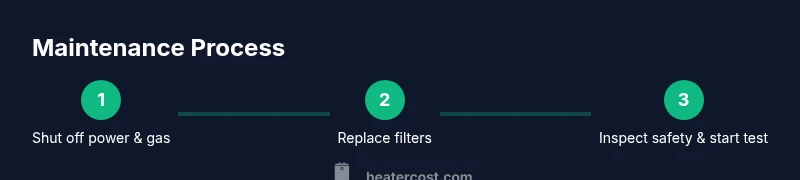
Shut off power and gas supply
Power down at the main breaker to disconnect electricity. If you have a gas furnace, close the gas valve to prevent leaks. This prevents any shock or gas exposure while you work.
Tip: Use a non-contact tester to confirm there is no live voltage before you begin. - 2
Replace or clean air filter
Remove the old filter and replace with a new one or vacuums the frame to remove dust. Ensure the filter orientation matches the arrows printed on the frame. A clean filter improves airflow and efficiency.
Tip: If your filter is disposable, replace it; if reusable, clean according to the manufacturer’s directions before reinserting. - 3
Clean blower and accessible ducts
Gently wipe down the blower housing and remove dust from accessible ducts using the brush attachment. Avoid bending delicate fins or blades. Check for signs of wear or loose connections while you’re in there.
Tip: Do not use water on electrical components; keep the area dry and dry-clean only. - 4
Inspect thermostat and wiring
Check that the thermostat responds to temperature changes and that wiring looks intact with no frayed insulation. Tighten loose connections carefully and replace damaged wires with the appropriate gauge.
Tip: Take a quick photo of wiring before disconnecting to aid reassembly. - 5
Check condensate drain and safety switches
For high-efficiency models, ensure the condensate drain is clear and drain lines are free of obstacles. Test safety switches by simulating a fault and confirming the system shuts down safely.
Tip: Pour a small amount of water through the drain to verify flow; listen for any gurgling sounds indicating a blockage. - 6
Test ignition and run a quick cycle
Restore power, reignite the system, and observe the ignition process. Look for a steady flame color in gas units and a smooth, quiet operation in electric units. Confirm there are no abnormal sounds during a short run.
Tip: If ignition is delayed or flame is yellow, do not operate further—schedule professional service.
Got Questions?
What is the most important step in heater maintenance?
The most important step is to ensure safety first: power off the unit and, for gas systems, secure the gas supply before beginning any inspection or cleaning. This protects you from shocks and leaks while you work.
Always shut off power and gas before you start any maintenance to stay safe and avoid accidents.
Can I perform heater maintenance myself or should I hire a pro?
Many routine tasks, like filter replacement and basic cleaning, are DIY-friendly. More complex checks—combustion analysis, venting, and gas pressure—should be performed by a licensed technician.
You can do simple tasks yourself, but call a professional for combustion and venting checks.
How often should I schedule professional furnace maintenance?
A professional inspection once per year is typically recommended, with DIY checks monthly or seasonally to keep the system running safely and efficiently.
Most homes benefit from a yearly professional tune-up plus simple monthly DIY checks.
What safety signs indicate a problem with my heater?
Watch for yellow or orange flames (gas), strong gas smells, unusual banging or clanking noises, frequent cycling, or rising energy bills. These signals warrant professional review.
If you notice odd flames, smells, or noises, get a professional check promptly.
Are there seasonal differences for gas vs electric heaters?
Yes. Gas units emphasize burner cleanliness, venting, and gas pressure, while electric systems focus on coils, blower lubrication, and thermostat calibration. Both benefit from early-season checks.
Gas and electric heaters have different maintenance focuses, but both benefit from early-season checks.
What should I do if I smell gas after maintenance?
If you smell gas, leave the area immediately and call emergency services. Do not operate electrical switches or create sparks.
Leave the area and call emergency services if you smell gas.
Do maintenance records affect home value?
Keeping a detailed maintenance log can reassure buyers and may support a smoother sale by demonstrating responsible upkeep.
A maintenance log can reassure buyers about system care.
Watch Video
The Essentials
- Schedule regular maintenance to extend heater life.
- Prioritize safety first before any DIY tasks.
- Use manufacturer filters and parts for best performance.
- Keep a simple maintenance log for future reference.
- When in doubt, consult a licensed professional.