Heater Installation Near Me: A Comprehensive How-To Guide
Find and compare licensed HVAC pros locally, understand permitting, and ensure a safe, energy-efficient heater installation near you with practical steps, expected timelines, and maintenance tips.


This quick answer shows how to find reliable heater installation near me and complete the project with confidence. You’ll learn how to locate licensed HVAC pros, compare bids, prepare your space, and navigate permits. We'll outline safety considerations, energy-efficient options, and the questions to ask before hiring a contractor. By following these steps, you can reduce delays and ensure a safe, code-compliant install.
Why Local installers matter when you search for heater installation near me
Choosing a local HVAC contractor often leads to faster scheduling, easier in-person assessments, and better understanding of nearby permits and climate considerations. The Heater Cost team has found that nearby pros understand local building codes, typical venting configurations, and energy incentives specific to your region. This local expertise can translate into smoother inspections, fewer delays, and clearer communication from quote to final install. As you start your search, prioritize nearby licensed technicians with a strong track record and accessible customer support. Proximity matters for coordination and service clarity.
Quick checklist before you hire
Before you contact contractors, prepare a clear brief of your needs. Include your current heating system details, preferred fuel type, any existing venting constraints, and desired efficiency goals. The Heater Cost team found that homeowners who compile this information ahead of time tend to receive more accurate bids and faster responses. Gather photos of the interior space around the heating unit, measurements of clearance zones, and any existing permits or past service notes to accelerate the bidding process.
What to collect: system type and model, fuel source, desired efficiency level, space constraints, and preferred installation date.
How to compare installers effectively
Start with at least three licensed HVAC contractors. Check licenses and insurance, read recent references, and ask for a written scope of work and warranty details. Compare equipment options (gas furnace, electric heat, or heat pump) and their efficiency ratings (AFUE/SEER). Request a side-by-side bid that includes labor, materials, permits, and disposal. Based on Heater Cost research, the most reliable bids clearly separate labor from parts and explain any required venting or ductwork changes.
Key comparison questions:
- Are they licensed and insured in your state?
- What is the proposed equipment’s AFUE/SEER rating?
- Does the bid include permit handling and disposal?
- What is the installation timeline and any expected downtime?
What to expect during installation
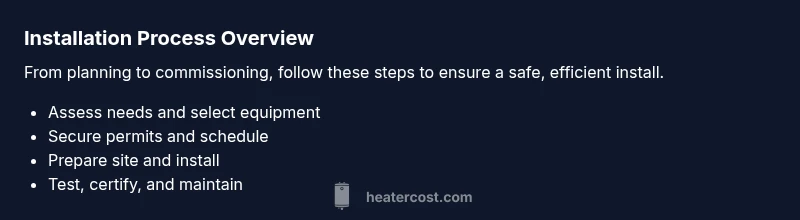
A typical installation sequence includes removing the old unit, preparing the space, installing the new heater, venting connections (if applicable), electrical or gas line connections, and a commissioning test. Expect a thorough safety check, carbon monoxide testing, and a walkthrough of thermostat programming. The contractor should document clear venting paths, ignition systems, and fuel line integrity.
During the process, homeowners should observe: proper access to shut-offs, no blocked combustion air, and visible labeling on new equipment. The final step is a safety check and a demonstration of how to operate the system and thermostat settings.
Safety, permits, and local codes
Gas or oil-fired heating equipment requires compliance with local codes and permitting. Your contractor should secure all necessary permits and schedule inspections if required locally. If you’re in a jurisdiction with strict energy codes, verify that the installed equipment meets the current standards for venting, combustion air, and clearance distances from combustible materials. Always insist on a gas leak and CO safety test before turning the system on.
Note: permit requirements and inspection steps vary by city and state. The contractor should guide you through the process and handle permit submission when possible.
Energy efficiency considerations and planning ahead
Selecting an energy-efficient heater can reduce ongoing operating costs and improve comfort. Look for equipment with high AFUE for furnaces or high SEER/AFUE ratings for heat pumps. If you’re replacing an old system, discuss-zone heating options, smart thermostats, and potential ductwork improvements to minimize heat loss. Keep in mind that higher efficiency equipment may require upfront upgrades to wiring, venting, or condensate drainage. The overall cost will depend on equipment type, existing ductwork, and installation complexity. The Heater Cost team notes that thoughtful planning yields better long-term savings and comfort.
Maintenance and the post-installation plan
After installation, schedule a follow-up tune-up within the first year and commit to annual inspections. Regular maintenance includes filter changes, thermostat checks, duct cleaning if needed, and vent inspections to prevent soot buildup or blockages. Keep a maintenance log and set reminders for filter replacements and system checks. A proactive plan helps preserve efficiency and prolongs equipment life.
Tools & Materials
- Licensed HVAC contractor(s)(Have 2-3 local bids; verify license number and insurance.)
- Permits or permit access(Check local requirements; ensure contractor handles submission if possible.)
- Space for equipment and clear access(Clear around the unit; ensure proper ventilation and safe pathways.)
- Measuring tools (tape measure, laser measure)(Verify clearance, ductwork, and venting paths.)
- Basic PPE for safety(Gloves, eye protection for installers; provide safe working environment.)
- Documentation of existing system(Photos, model/serial numbers, and current venting setup.)
- CO and smoke alarm checks(Consider upgrading alarms after install for enhanced safety.)
Steps
Estimated time: 4-12 hours
- 1
Assess needs and site
Evaluate your current heating system, determine fuel type, and identify any space constraints or ventilation issues. This step sets the foundation for selecting the right equipment and a safe installation plan.
Tip: Document any pre-existing issues (odd odors, rust, noises) to discuss with the contractor. - 2
Select equipment and ventilation plan
Choose between furnace, heat pump, or boiler options based on climate, efficiency goals, and existing ducts. Confirm venting requirements and clearances with your contractor.
Tip: Ask for a written schematic showing ductwork and vent paths before committing. - 3
Check permits and scheduling
Confirm permit requirements with your local authority and ensure the contractor will handle submissions. Schedule the installation window and plan for a potential downtime.
Tip: If your city requires inspections, coordinate them with your contractor and allow extra lead time. - 4
Prepare installation site
Clear the area around the existing unit, protect flooring, and ensure safe access to electrical panels and gas lines. Provide a clean workspace for installers.
Tip: Move fragile items away from the unit and mark utility shutoffs. - 5
Install the new heater
The licensed installer will mount the unit, connect fuel lines and electrical wiring, install venting or condensate lines, and seal connections. They will test ignition and controls.
Tip: Do not disturb the installer; allow them to complete testing without interference. - 6
Test and verify
Run a full system test, check for leaks, CO alarms, and proper thermostat communication. Confirm heat output matches the specification and that safety devices function correctly.
Tip: Request a printed commissioning report and keep it with your manuals. - 7
Handoff and maintenance plan
Receive operating instructions, thermostat programming tips, and a maintenance schedule. Schedule a follow-up tune-up and set reminders for filter changes.
Tip: Ask for a written maintenance plan and recommended service intervals.
Got Questions?
Do I need permits for heater installation?
Most heater installations require permits and inspections. Your contractor should guide you through local requirements and handle the permit process when possible.
Permits are usually required; your contractor will help you through the process.
How long does installation typically take?
Timelines vary by system type and home layout. A straightforward replacement may take most of a day, while complex venting or ductwork can extend the schedule.
It can take about a day or more depending on the setup.
Can I install a heater myself?
Professional installation is strongly recommended due to safety risks, gas connections, venting, and code compliance. Always hire a licensed HVAC contractor.
No—gas and venting require a licensed pro.
What should I ask during bids?
Ask about licenses, insurance, warranties, equipment efficiency ratings, permit handling, and installation timeline. Ensure the bid clearly separates parts and labor.
Ask about licenses, warranties, and who handles permits.
Which energy efficiency metrics matter?
Look for AFUE for furnaces and SEER/AFUE ratings for heat pumps. Ask about a home energy assessment and potential duct improvements.
Check AFUE and SEER ratings to gauge efficiency.
What maintenance is needed after installation?
Schedule annual tune-ups, replace filters, and inspect vents. Keep a maintenance log and follow the contractor’s recommended service intervals.
Set up yearly tune-ups and replace filters as advised.
Watch Video
The Essentials
- Verify licenses and insurance before hiring.
- Ask about permits and who handles them.
- Get multiple bids and compare warranties.
- Choose energy-efficient equipment and verify compatibility with existing ductwork.
- Schedule preventive maintenance to extend equipment life.