HVAC Installation: A Practical Step-by-Step Guide
A practical homeowner guide to HVAC installation, covering planning, sizing, permits, contractor selection, and post-install checks for safe, efficient operation.


Plan and execute a full HVAC installation with confidence. This guide outlines the essential steps, who should be involved, and key considerations like sizing, permits, and safety. By following these steps, homeowners can prepare for a smooth installation and avoid common pitfalls. It also highlights questions to ask contractors and ways to verify qualifications.
Assessing Your Home and Goals for HVAC Installation
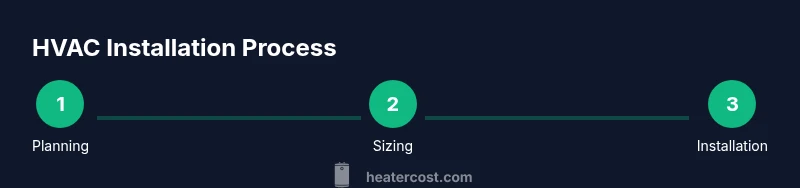
HVAC installation begins with a clear view of your home’s heating and cooling needs. Before a single line is drawn, map how you currently heat and cool, how many rooms you want conditioned, and whether you plan to zone spaces or add smart thermostats. A thorough load calculation guides equipment size to balance comfort with energy efficiency. According to Heater Cost, a well-defined plan reduces the risk of short cycling, wasted energy, and early equipment wear. Heater Cost Analysis, 2026, emphasizes that incorrect sizing is the leading cause of post-install comfort complaints after installation.
Start by compiling a simple inventory: square footage per floor, ceiling height, insulation quality, window orientation, and existing duct presence. If your home uses radiators or baseboard heat, note that as well. Decide whether you want air conditioning only or a full HVAC installation with heating, cooling, and air-quality features. This planning phase sets the stage for a smoother, safer, and more cost‑effective project.
Planning also involves aligning stakeholders: homeowners, family members who use space most, and any property managers involved in rental units. By setting expectations early—budget, schedule, and comfort goals—you’ll reduce last‑minute changes that derail timelines. Remember that communication with your installer team is essential to ensure the final system matches your daily routines and climate needs.
Sizing, Load Calculations, and Equipment Options
The critical next step in HVAC installation is selecting equipment that matches the home’s heating and cooling load. Sizing should be based on a formal load calculation (often Manual J for homes) rather than rules of thumb. Modern options include central air with a furnace or heat pump, or ductless mini-splits for targeted rooms. Homeowners should compare SEER (seasonal energy efficiency ratio) and HSPF (for heat pumps) values to balance upfront cost with long-term energy savings. The goal is efficient, consistent comfort without overworking the equipment.
Equipment selection also depends on climate, existing ducts, and preferences for temperature zoning. In some cases a single-family home benefits from a modern heat pump paired with a high-efficiency furnace as a backup heat source. For retrofit projects, ductless systems can offer fast installation with targeted cooling in key rooms. When choosing equipment, consider warranties, service availability in your area, and compatibility with smart thermostats for precise control. Throughout this phase, maintain a record of model numbers, efficiency ratings, and installer recommendations to support an apples-to-apples comparison when you request quotes.
Remember: a properly sized system reduces energy waste and improves comfort. Based on Heater Cost research, homeowners who invest in accurate sizing tend to experience fewer mid-season service calls and more stable indoor temperatures across seasons.
Ductwork, Air Distribution, and Zoning
Air distribution quality is as important as the equipment itself. In many homes, ducts are the invisible backbone that determines comfort. HVAC installation should include inspecting existing ductwork for leaks, improper insulation, and excessive friction. Sealing and insulating ducts can dramatically improve efficiency and reduce energy loss. Zoning—dividing living spaces into separately controlled zones—offers tailored comfort and can boost energy savings when paired with smart thermostats.
Key steps include mapping each zone, evaluating return air paths, and planning duct routing that minimizes turns and long runs. For homes with plaster or plaster-on-lath walls, extra care is needed to avoid damaging structural elements. When ducts are undersized or poorly sealed, you’ll notice temperature imbalances and higher equipment run times. A thorough assessment, including duct leakage tests, helps ensure the system performs as designed and maintains indoor air quality across all zones.
Quality ductwork fosters reliable airflow, reduces noise, and extends the life of the HVAC installation. A well-planned duct system supports overall comfort and makes future maintenance simpler and faster.
Installation Paths: DIY vs Hiring Pros
HVAC installation is a complex project that blends mechanical, electrical, and building code considerations. While some basics of home comfort projects can be DIY, a full HVAC installation benefits from professional expertise. Missteps with refrigerant handling, electrical disconnects, or improper refrigerant charging can lead to safety risks, system inefficiency, and warranty voids. Hiring licensed technicians helps ensure compliance with local codes and adherence to manufacturer specifications. If you’re considering a partial DIY approach, reserve it for non‑critical tasks like planning, task sequencing, and pre-install cleanups, while leaving installation and commissioning to pros.
A professional installer brings code knowledge, correct equipment sizing, and a warranty-backed process. They will coordinate with utilities for electrical connections, refrigerant management, and safe venting. An upfront, transparent bidding process with clear scope of work and a written warranty reduces surprises. For property managers overseeing multiple units, factor in scheduling, access, and potential climate-control needs for tenant safety and comfort.
From a homeowner’s perspective, the goal is reliable performance, safety, and long-term value. The Heater Cost team recommends prioritizing licensed professionals for installation tasks that involve electrical, refrigerant, or structural components to protect occupants and your investment.
Permits, Codes, and Scheduling
Permits are a fundamental part of HVAC installation. Most jurisdictions require electrical, mechanical, or building permits and subsequent inspections to verify the work complies with local codes. Failing to obtain permits can complicate warranty claims and can lead to penalties or required rework. Start by contacting your city or county building department to understand the exact permit types needed for an HVAC installation. Your contractor often handles permit applications, but confirm who is responsible and what documentation is required.
Scheduling matters, especially in regions with extreme weather. A busy contractor calendar can push a project into uncomfortable heat or cold months, impacting energy usage and indoor air quality. Coordinate delivery of equipment, scheduling of electrical work, duct sealing, and subsequent commissioning. If you manage rental properties, ensure tenant communications and access are arranged well in advance and that any required notices adhere to local regulations. A well-planned permit and scheduling process reduces delays and keeps the project on track.
For many homeowners, permits are not just a formality—they’re a safeguard that ensures the installation meets safety standards and long-term performance expectations. The Heater Cost analysis stresses that timely permit approval correlates with smoother project flow and fewer last‑minute changes.
Electrical, Ventilation, and System Integration
A successful HVAC installation integrates electrical, ventilation, and control systems for optimal performance. Electrical work must meet code requirements, including properly sized circuits, safe disconnects, and reliable grounding. Ventilation considerations extend beyond the return and supply ducts to include fresh-air intake and exhaust, which can influence indoor air quality and occupant comfort. Modern installations often pair the furnace or heat pump with a smart thermostat, zoning controls, and energy recovery ventilation. These elements improve comfort and support energy efficiency by coordinating system cycles across rooms.
You’ll want a clear plan for wiring routes, breaker sizing, and safety clearances. Poor integration can lead to nuisance trips, inadequate airflow, or unsafe electrical loads. If you’re upgrading from an older system, you may need to upgrade electrical panels or circuits to handle new equipment. The best practice is to rely on licensed electricians and HVAC technicians to handle connections, refrigerant lines, condensate drainage, and controller interfaces. A well-integrated system delivers reliable performance, healthier indoor air, and fewer callbacks.
Commissioning, Testing, and Quality Assurance
Commissioning is the final, critical phase where performance is verified and the system is tuned for optimal operation. This includes verifying thermostat communication, measuring refrigerant pressures, checking for leaks, confirming airflow balance across zones, and validating indoor air quality components. During commissioning, technicians should run the system through a full range of operating modes, document CFM (airflow) targets, and confirm that temperature spread meets design expectations. Troubleshooting any deviations at this stage prevents long‑term discomfort and costly visits later.
Documentation is essential. You should receive warranty certificates, equipment manuals, and a summary of the test results. Ask about maintenance recommendations, filter replacement schedules, and the best time for a post‑install follow‑up check. A thorough commissioning process provides confidence that the HVAC installation is safe, energy-efficient, and ready to serve your home for years to come. The Heater Cost team notes that commissioning is the linchpin of a successful installation, bridging planning with long-term performance.
Maintenance, Longevity, and Routine Care
Regular maintenance sustains HVAC performance and prolongs system life. Establish a routine that includes filter changes, coil cleaning, and annual professional inspections. Clean air filters help maintain indoor air quality and improve airflow, while coil cleaning preserves heat exchange efficiency. A well-maintained system runs more efficiently, which translates to reduced energy costs and fewer unexpected breakdowns.
Develop a check‑list tailored to your equipment: note filter replacement intervals, observable noises, and any odd odors or temperature inconsistencies. Keep records of maintenance visits, part replacements, and system upgrades. This history can be helpful for warranty claims and when you decide to sell the home. In addition, periodically verify that condensate drainage is functioning properly to prevent moisture damage and mold growth. Routine care, paired with proactive scheduling, extends your system’s life and supports steady comfort throughout the year.
Cost Factors, Quotes, and Getting the Right Value
Understanding cost factors helps you obtain meaningful quotes without surprises. HVAC installation costs depend on equipment type, project complexity, expected ductwork modifications, and labor requirements. While it’s tempting to aim for the lowest bid, focus on value: correct sizing, proper duct sealing, thorough commissioning, and a solid warranty. Request written quotes that specify equipment models, efficiency ratings, ductwork changes, permit costs, and post-installation services. A transparent bid reduces miscommunication and helps you compare apples-to-apples.
Ask contractors about energy efficiency upgrades, potential tax credits, and maintenance plans. It’s also wise to ask for references and to verify licensing and insurance. In many homes, the true value comes from selecting a system that aligns with comfort goals, climate conditions, and long-term operating costs rather than merely the lowest upfront price. The Heater Cost approach emphasizes validating quotes with a clear scope and performance expectations to secure a sound investment.
Tools & Materials
- Measuring tape(at least 25 ft)
- Safety glasses(ANSI Z87.1 compliant)
- Voltage tester(verify electrical circuits)
- Duct mastic sealant and duct tape(airtight duct sealing)
- Utility knife(trimming insulation and duct material)
- Level and square(ensure proper alignment)
- Safety gear (gloves, ear protection)(protective equipment)
- Ladder or stable step stool(reach upper units safely)
- Manifold gauge set(optional for on-site refrigerant checks)
Steps
Estimated time: 1-3 days
- 1
Assess goals and plan the load
Identify comfort targets, zones, and climate needs. Gather home specs and prepare a project brief for the installer. A precise plan reduces back-and-forth changes during installation.
Tip: Document preferred temperatures for different times of day to guide zoning decisions. - 2
Select equipment and compare efficiency
Choose equipment type (furnace, heat pump, or hybrid) and compare SEER/HSPF ratings. Consider compatibility with existing ductwork and future upgrades.
Tip: Ask for energy model numbers and any available rebates related to efficiency. - 3
Plan ductwork and air distribution
Map duct routes, identify return paths, and plan zoning elements. Prioritize airtight seals and insulation to minimize losses.
Tip: Seal all duct joints with mastic; avoid flex duct where possible for better efficiency. - 4
Prepare electrical and venting
Ensure electrical panels have adequate capacity and that disconnects are accessible. Plan for venting and condensate drainage if applicable.
Tip: Coordinate with licensed electricians for safe, code-compliant connections. - 5
Obtain permits and schedule installation
Apply for required permits and align installation timing with utility and HOA rules. Schedule delivery, installation, and commissioning windows.
Tip: Confirm permit timeline and inspector availability before work begins. - 6
Commission and verify performance
Test system across modes, check airflow, refrigerant readiness, and thermostat communication. Document results and warranty coverage.
Tip: Request a final walkthrough and a written performance checklist.
Got Questions?
What is HVAC installation?
HVAC installation is the process of putting in heating, ventilation, and air conditioning equipment, including ductwork, controls, and safe electrical connections. It ensures the system is correctly sized, properly integrated with your home, and ready to operate reliably.
HVAC installation involved setting up heating, cooling, ductwork, and controls to make a home comfortable and safe.
Do I need permits for HVAC installation?
In most areas, you’ll need electrical and mechanical permits and inspections. Requirements vary by jurisdiction, so check with your local building department or your contractor.
Most places require permits and inspections for HVAC installations.
How long does HVAC installation take?
Time depends on system type and home complexity. A typical residential project spans from a day to a few days, including commissioning and testing.
Most installations take one to a few days, including testing.
Can I install HVAC myself?
Professional installation is recommended due to safety, code compliance, and warranty considerations. DIY work can void warranties and create risks.
It’s usually best to hire a pro for safety and warranties.
What maintenance is needed after installation?
Schedule annual professional checkups, replace filters regularly, and inspect ductwork and condensate lines to prevent moisture issues and mold.
Regular checks and clean filters keep the system healthy.
Watch Video
The Essentials
- Plan first, size second, to avoid comfort issues.
- Permits and licensed installation are essential for safety and warranties.
- Duct sealing and zoning greatly improve efficiency and comfort.
- Commissioning confirms performance and helps prevent future calls.