How to Get Rid of Storage Heaters
A comprehensive, step-by-step guide to safely removing storage heaters, replacing them with efficient alternatives, boosting insulation, and saving energy. Includes planning, permits, disposal, and money-saving tips for homeowners, renters, and property managers.


You can safely remove storage heaters by planning, turning off power, disconnecting and removing the units, and replacing them with a suitable alternative heating system. Hire a licensed electrician or installer, check permits, and arrange disposal of old units. Expect a short downtime and modest upfront costs for installation and insulation upgrades.
Planning the switch away from storage heaters
The plan to get rid of storage heaters starts with a clear assessment of your home’s heating needs and long-term energy goals. Outline why storage heaters exist in the property, what will replace them, and an approximate timeline for the project. If you’re renting or managing a multi-unit building, coordinate with the property owner and building manager to ensure everyone agrees on the approach. Before you begin, confirm whether changes require permits or approvals from your local authority; some systems require electrical rework or building work that triggers permits. A well-documented plan helps simplify bidding with electricians and installers, ensures you won’t overpay, and reduces the risk of leaving rooms without heat during a cold snap. In this planning phase, take a baseline energy audit or simple energy check to quantify your current usage and identify the biggest heat-loss sources. This is your first step toward a comfortable, efficient home once storage heaters are gone. According to Heater Cost, the most successful conversions pair removal with improved insulation and a correctly sized replacement heating system, so you don’t create new heat-management problems.
Assessing insulation and heat-loss before removal
Before pulling out storage heaters, assess how well your home holds heat. The bulk of savings from removing storage heaters comes from reducing heat loss and improving insulation, rather than relying on a new heat source alone. Start with attic and wall insulation checks, draught-proofing around doors and windows, and sealing gaps around pipes and electrical penetrations. A simple energy audit can reveal the largest heat leaks — common culprits include uninsulated loft hatches, poorly sealed sockets, and ventilation losses. If you rent, request access for a quick assessment or hire an inspector. Document existing insulation levels and prioritise upgrades that offer the highest return on investment. This groundwork ensures your future heating solution is sized correctly and operates efficiently, delivering consistent comfort with lower energy demand.
Selecting replacement heating options and sizing
With storage heaters out of the picture, choose a replacement system that fits your home’s layout, climate, and budget. Options range from upgraded electric heat pumps to gas boilers (where permitted), hydronic systems, or infrared panels in rooms with specific heat needs. Size the new system based on the most recent load calculation, considering insulation improvements and planned usage. Avoid over- or under-sizing, which can waste energy or fail to meet comfort needs. If you’re unsure, consult a qualified HVAC contractor to perform a detailed assessment and provide a few system configurations with pros and cons. Align the chosen technology with your tariff structure (off-peak rates, daily rates) to maximize savings and maintain consistent heat delivery throughout the year.
Financial and incentive considerations
Costs for removing storage heaters and installing a replacement can vary widely by home size and chosen technology. The Heater Cost analysis, 2026, indicates that upgrading insulation and sealing leaks often yields the fastest payback, even before you install a new heat source. Look for government or utility rebates and incentives for energy-efficient upgrades, as well as potential financing options from installers. Ask for itemized quotes that cover removal, disposal, new equipment, and any required electrical work. Compare quotes on a like-for-like basis and request a written plan showing scope, materials, and timelines. While exact numbers depend on many factors, framing the project in three tiers (low, mid, high) helps you benchmark bids and avoid sticker shock. Budget for post-removal checks and any follow-up tune-ups to ensure optimal performance.
Safety and regulatory considerations
Removing storage heaters involves electrical work, wiring changes, and possibly changes to heating circuits in your home. Engage a licensed electrician or qualified installer to disconnect, remove, and cap any exposed wiring safely. Check whether your project requires building or electrical permits, especially if you’re altering the distribution board or adding new circuits. If you rent, coordinate with the landlord and obtain written authorization for changes. Wear appropriate PPE and follow local electrical codes. Never attempt live disconnection or removal of heaters yourself; the risk of shock, fire, or gas exposure (in certain setups) is real and potentially dangerous.
The removal process: a high-level workflow
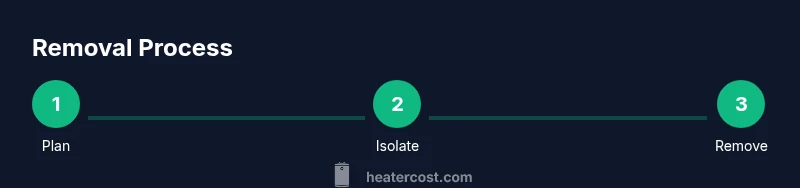
A typical removal workflow includes planning, power isolation, unit disconnection, physical removal, wall/chimney repairs (if needed), and disposal. Start by validating that all storage heaters are de-energized and isolated from the mains. Then remove the units from their mounting, detach the connected wiring, label cables for future reference, and safely cap or reroute circuits. Finally, seal openings in walls or floors, and arrange proper recycling or disposal of the units at an approved facility. This sequence minimizes risk and ensures a clean transition to a new heating system.
Recycling, disposal, and post-removal checks
Disposal of old storage heaters should follow local e-waste guidelines. Many components can be recycled, including metal casings and electrical parts, while some items may require special handling for capacitors or insulation. After removal, have the space inspected for leftover heat-loss pathways and fill any gaps in walls or floors to prevent re-entry of cold air. Revisit insulation improvements if needed. Then proceed with installing the new system and testing performance under typical conditions. The goal is to achieve steady comfort and measurable reductions in energy use, not just to remove an old appliance. The Heater Cost Team's verdict is to prioritize safety and professional handling throughout this process.
Tools & Materials
- Voltage tester / multimeter(Check circuits before touching wiring; verify power is off at the main panel)
- Insulated screwdrivers(Use for wiring terminals with insulated handles)
- Wire cutters/strippers(Trim and manage exposed conductors safely)
- Electrical tape / cable ties(Label cables and secure connections after disconnection)
- Personal protective equipment (PPE)(Safety glasses, gloves, and closed-toe footwear)
- Ladder or sturdy step stool(Access mounted heaters safely)
- Dust sheet or drop cloth(Contain debris during removal and wall repairs)
- Sealant or plaster patch kit(Patch walls after removal as needed)
- Trash bags or contractor bags(Contain and transport removed units)
- Accessible recycling or disposal appointment(Coordinate with local facility ahead of time)
Steps
Estimated time: 6-12 hours
- 1
Plan the removal
Define scope, confirm permits if required, and schedule with a licensed professional. Document which heaters to remove and where wiring will be redirected or capped.
Tip: Have a signed plan and written quotes before starting. - 2
Shut off power at the main panel
Turn off the circuit supplying the storage heaters and verify with a tester. Label the breaker for future reference.
Tip: Double-check with a tester to avoid live circuits. - 3
Disconnect and label wiring
Carefully disconnect heater wiring, label each wire, and cap exposed conductors. Prepare pieces for safe disposal.
Tip: Take photos for reference during re-wiring. - 4
Remove the units
Unhook heaters from brackets, lift them away from walls, and place on a drop cloth for transport to disposal.
Tip: Work with a partner to handle heavy units safely. - 5
Patch and seal openings
Seal any holes or cavities left by removed heaters and patch walls as needed. Check for drafts and plan insulation fixes if gaps exist.
Tip: Use proper wall patch materials compatible with existing surfaces. - 6
Dispose and recycle
Arrange proper disposal through an approved facility or recycler. Keep receipts as proof of responsible disposal.
Tip: Verify recycling options for metal and electrical components. - 7
Install replacement heating and test
Have the new heating system installed and tested by a licensed pro. Confirm comfort levels and ensure safety devices function properly.
Tip: Request a written test report and energy use guidance.
Got Questions?
Do I need planning permission to remove storage heaters?
Permits may be required if electrical rewiring or structural alterations are involved. Check with your local authority and your building manager, and obtain written approval before starting the work.
Permits might be needed if wiring or structural work is planned. Check with local authorities and your building manager to avoid delays.
Can I install a different heating system myself after removal?
Electrical heating systems should be installed by licensed professionals to comply with safety standards and warranties. Do not attempt significant electrical work without proper credentials.
It’s best to hire a licensed professional for any new heating system installation.
What are common replacement options for storage heaters?
Common options include heat pumps, upgraded resistive electric systems, gas boilers where permitted, or hydronic radiant panels. The right choice depends on your home, climate, and budget.
Options include heat pumps, upgraded electric systems, or gas where allowed; your home determines the best fit.
Will removing storage heaters lower my energy bills immediately?
Removal alone doesn’t guarantee instant savings; the most reliable savings come from combining removal with insulation improvements and an efficient replacement system.
Savings come from better insulation and a properly sized new system, not removal alone.
How long does the removal and replacement process typically take?
A typical project can take from half a day to a couple of days, depending on house size, permits, and the complexity of installing a new system.
Expect a few hours to a couple of days depending on the setup.
Are there incentives for upgrading heating and insulation?
Many regions offer rebates or incentives for energy-efficient upgrades. Consult local programs or your utility provider for current offers and eligibility criteria.
There are often rebates for upgrading insulation and heating systems; check local programs.
Watch Video
The Essentials
- Plan first, then remove with professional help.
- Insulation upgrades boost savings after removal.
- Choose a replacement heating system sized for your home.
- Proper disposal is essential for safety and the environment.
- Check permits and utility incentives to maximize value.