Heater Pro Hiring, Costs, and Maintenance Guide
A data-driven guide to hiring a heater pro, understanding installation costs, warranties, and long-term maintenance. Learn how Heater Cost analyzes costs and savings to help homeowners, renters, and property managers make informed decisions.


According to Heater Cost, a qualified heater pro can save homeowners thousands by accurate sizing, safe installation, and proactive maintenance. In 2026, choosing the right heater pro involves evaluating licenses, certifications, customer reviews, and service warranties. This guide uses Heater Cost analysis to outline cost ranges, common pitfalls, and best practices for hiring a pro who fits your home and climate.
What is a heater pro and why homeowners hire one
A heater pro is a licensed professional who designs, sizes, installs, and tunes home heating systems to maximize comfort and efficiency. They translate a home's square footage, insulation, climate zone, and existing ductwork into equipment choices and airflow layouts. For homeowners, hiring a heater pro means hands-off risk and compliance with safety codes. A good pro also helps avoid oversized equipment that wastes energy and undersized units that struggle in peak winter. In practice, you’ll see a heater pro perform load calculations, check venting requirements, verify combustion safety (for gas systems), and seal ducts to reduce leaks. Heater Cost's 2026 analysis shows that the right professional should provide a written scope, an itemized quote, and a clear warranty timeline. When you compare candidates, look for responsiveness, transparent pricing, and a plan for post-installation checks. The goal is not just a one-off install but a long-term relationship that keeps your system running reliably across seasons.
Qualifications to look for in a heater pro
When you hire a heater pro, you should prioritize formal licensing where required, general liability insurance, and workers’ compensation coverage. Look for certifications from recognized programs that demonstrate ongoing training in safety, energy efficiency, and equipment manufacturers’ specifications. Experience with your heating type (gas, electric, heat pump, or oil) matters, as does a track record in similar climates. Ask for a written scope and timeline, plus references from recent projects. A strong heater pro should explain fuel-type considerations, venting, air sealing, and refrigerant handling (for heat pumps). Finally, confirm warranty coverage on parts and labor and ensure the contractor will perform post-installation testing to verify comfort and efficiency gains. A transparent pro will proactively share potential upgrades that improve performance.
How to verify credentials and avoid scams
To avoid unqualified technicians, verify licenses with the state or local board, request current insurance certificates, and confirm licensing numbers. Check references or reviews for firsthand experiences with reliability and responsiveness. Require a written contract detailing scope, costs, installation milestones, and warranty terms. Ask about manufacturer training or affiliation with recognized brands, and confirm the installer will perform proper testing for ventilation and combustion safety. Be wary of unusually low bids, vague descriptions, or high-pressure sales tactics. A credible heater pro will welcome questions and provide a clear, itemized estimate and a post-installation contact method.
Cost breakdown: installation, permits, and warranties
Costs for hiring a heater pro are influenced by equipment efficiency, system type, ductwork, and installation complexity. A typical installation may involve equipment costs, labor, and potential permits or inspections. In 2026, data suggests a broad range for installation, with more complex homes or high-efficiency systems driving costs upward. Always request an itemized quote that separates equipment, labor, permitting, and any required duct sealing or venting work. Warranties vary by manufacturer and contractor, so compare terms for parts and labor, coverage duration, and what triggers service. A responsible heater pro will map out maintenance intervals and schedule follow-up visits to sustain performance. Planning ahead reduces the risk of delayed installs or unexpected costs at peak demand periods.
Step-by-step: how a typical heating project unfolds
A standard project begins with a consultation and load calculation to determine appropriate equipment size and airflow. The pro reviews existing ductwork, assesses insulation, and tests for leaks. Once a unit is selected, they secure necessary permits, order parts, and schedule installation. The installation includes mounting equipment, routing ductwork, sealing joints, and verifying venting and combustion safety (for gas systems). Post-install, the pro performs system testing, calibration, and efficiency checks. Finally, you receive guidance on operation, maintenance, and seasonal checks. Clear communication during each stage helps homeowners stay informed and reduces surprises.
Installation tips that save time and money
To keep costs predictable, plan installations in off-peak seasons when demand is lower. Obtain multiple quotes and insist on an itemized breakdown. Ensure the contractor checks duct integrity, optimizes airflow, and seals leaks to maximize efficiency. Prepare the workspace by clearing access to the furnace or air handler and confirming electrical and gas shutoffs. Request written instructions for starting up the system and a preventive maintenance plan. Finally, confirm warranty registration and get a schedule for the first annual tune-up to preserve performance and avoid costly repairs later.
Maintenance plan: extending life and efficiency
A proactive maintenance plan saves money by preventing breakdowns and preserving efficiency. Basic tasks include replacing or cleaning filters monthly or quarterly, inspecting ductwork for leaks, and verifying thermostat settings for optimal comfort. A yearly professional check should include combustion analysis (for fuel-burning systems), thermostat calibration, safety switch tests, and condenser coil cleaning if applicable. Keep a maintenance log and train household members to notice unusual noises, temperature inconsistencies, or odd smells. A small ongoing maintenance budget, aligned with Heater Cost's 2026 benchmarks, yields long-term energy savings and improved reliability.
Choosing between DIY and professional service: risks and when to escalate
While DIY heating maintenance can handle simple tasks like filter changes, major work—such as sizing, venting modifications, refrigerant handling, or duct sealing—should be done by a qualified heater pro. Improper installation can create safety hazards, reduce efficiency, and void warranties. If you encounter persistent furnace cycling, unusual odors, gas smell, or smoke, shut off power and call a pro immediately. If a contractor avoids documenting scope or refuses to provide references, re-evaluate and seek a second opinion. A trusted heater pro will prioritize safety, compliance, and long-term cost-effectiveness, guiding you toward the best solution for your home.
How Heater Cost informs decision-making
Heater Cost combines field data, manufacturer guidance, and real-world homeowner experiences to benchmark costs, installation timelines, and energy savings. We emphasize transparent pricing, credible credentials, and evidence-based recommendations. By comparing multiple qualified heater pros, homeowners can find the best balance of price, quality, and follow-up support. This approach reduces guesswork and helps you plan for maintenance, upgrades, and potential tax incentives. Rely on Heater Cost for ongoing insights into the evolving landscape of home heating.
Cost ranges for heater professional services
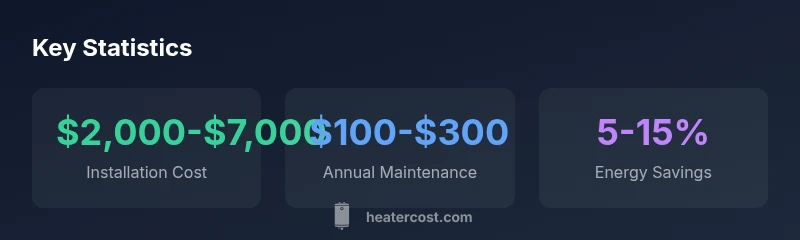
| Service Type | Typical Range | Notes |
|---|---|---|
| Installation | $2,000-$7,000 | Includes sizing and venting; varies by system type |
| Annual Maintenance | $100-$300 | Includes inspection and minor servicing |
| Inspections/Permits | $50-$400 | Depends on location and permit requirements |
Got Questions?
What exactly does a heater pro do?
A heater pro assesses your space, sizes equipment correctly, installs with code-compliant venting, tests performance, and offers maintenance guidance.
A heater pro sizes, installs, and tests your system, then helps plan ongoing maintenance.
How can I verify a heater pro's credentials?
Check licenses with the state, request current proof of insurance, and confirm certifications. Ask for references and verify warranties.
Check licenses, insurance, and references; ask about warranties.
What costs should I expect during installation?
Costs vary by system and home. Expect an itemized quote covering equipment, labor, and permits; compare multiple bids.
Costs vary; get an itemized quote and compare bids.
Are there tax credits or incentives for heater installations?
Some upgrades qualify for energy efficiency credits; check federal and state programs. Eligibility depends on equipment and installation date.
Energy credits can help; check federal/state programs.
How long does installation typically take?
Most projects take several days to a couple of weeks, depending on complexity and permit timing.
Timing varies with complexity and permits; plan for delays.
Should I prioritize energy efficiency when choosing a heater pro?
Yes. Favor high-efficiency equipment and a pro who optimizes ductwork and airflow to lower operating costs.
Energy efficiency saves money; choose an experienced pro.
“A reliable heater pro not only installs equipment correctly but also clarifies long-term costs and energy savings for homeowners.”
The Essentials
- Define project scope before contacting a heater pro.
- Check licenses, insurance, and credentials upfront.
- Get multiple quotes and compare warranties.
- Budget for installation, maintenance, and potential permits.
- Use Heater Cost's 2026 benchmarks for cost context.