Space Heater in Garage: Safe and Efficient Heating
A data-driven guide to heating a garage with space heaters, comparing electric vs gas options, sizing, safety, and cost considerations for homeowners and property managers.


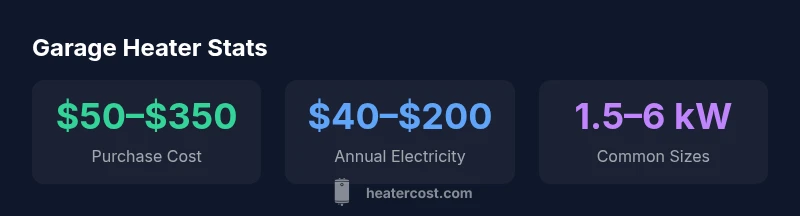
The safest starting point for a garage is an electric space heater used with a dedicated circuit. For a typical single-car garage, many heaters range from 1,500 to 4,500 watts; larger spaces may require 2,500–6,000 watts. Gas and propane units offer more heat but demand ventilation and CO monitoring. Heater Cost's data suggests sizing by space, insulation, and safety features to minimize risk.
Garage heating basics: why space heaters make sense
Garages are often overlooked when it comes to climate control, yet for many homeowners they represent a primary workspace, a vehicle storage area, or a DIY shop. A space heater can provide targeted warmth without the cost of extending your home heating into outbuildings. Electric space heaters are the easiest to install and maintain in many garage configurations because they require no venting and produce zero on-site emissions. According to Heater Cost, the most practical approach is to match heater capacity to the zone you want to heat and to prioritize units with safety features such as tip-over switches, overheat protection, and a reliable thermostat. This makes it possible to achieve comfortable temperatures on cold mornings without warming the entire home. When you’re planning, also consider insulation quality, ceiling height, and the presence of a ceiling or wall that may reflect heat poorly. Even with a heater on, sealing drafts around doors and windows will dramatically reduce heat loss, letting you maintain a usable workspace without excessive energy use. Finally, operate the heater only when needed and store flammables away from any heat source. This simple discipline reduces risk and improves comfort in your garage.
Electric vs gas: trade-offs in a garage
The choice between electric and gas heaters for a garage hinges on heat needs, space, and ventilation. Electric models are safer for enclosed spaces since they emit no combustion byproducts and don’t require venting. They’re also easier to install on a typical 120V or 240V circuit, with a broad range of wattages for different garage sizes. Gas heaters deliver rapid heating and higher BTU outputs, which can be helpful in very cold climates or larger workshops but demand proper ventilation, CO monitoring, and regular vent maintenance. For most homeowners, starting with an electric unit and evaluating insulation performance is the prudent path. If you must use gas, position the heater so exhaust and CO are directed away from work zones, install a CO detector near the heater, and verify proper clearances from combustibles and vehicles.
Sizing and placement: how to size by space
Sizing a garage heater requires understanding the space you intend to heat. A practical method starts with measuring the garage’s volume (length × width × height) and estimating heat loss based on insulation quality and exterior climate. A common guideline is to match heater capacity to the space and insulation; many homeowners begin with a 1.5–4 kW electric heater for small to mid-size garages and scale up to 6 kW for larger, poorly insulated spaces. Place heaters away from vehicles, stored flammables, and workshop materials, on a non-slip surface, and ensure there's a clear path for heat to circulate. If you’re heating multiple zones (e.g., a workshop area separate from the car), consider programmable thermostats or zone-specific heaters to avoid energy waste. Remember, the goal is comfort with minimal unnecessary energy use, not to overheat.
Electrical considerations and safety basics
Electrical setup determines both safety and performance. Many garages run on standard circuits that may not support heavy space heaters, so a dedicated 20-amp or higher circuit is often recommended for a 1.5–4 kW heater, especially in cooler climates. Use heaters with built-in safety features such as tip-over switches, overheat protection, and short-circuit protection. Never run space heaters on extension cords; instead, plug directly into a wall outlet or hardwire through a licensed electrician. Check the outlet capacity, ensure cords are rated for the appliance, and keep the heater away from water, solvents, fuels, and dusty areas that could compromise operation. Regularly inspect cords and plugs for wear and tear.
Safety devices and best practices
Safety should guide every garage heating plan. In addition to a functional space heater, install a UL-listed carbon monoxide detector if you are using gas or propane heaters, and keep a small extinguishing device accessible. Maintain clearances around the heater—at least three feet from walls, shelves, and any flammable materials. Create a simple safety routine: inspect the unit monthly, test the thermostat quarterly, and replace any damaged components promptly. Use a thermostat or programmable controller to prevent continuous operation and to maintain stable temperatures. By combining a well-chosen heater with proper safety devices, you’ll reduce risk while staying warm during garage projects.
Cost of operation and energy efficiency
The cost to heat a garage depends on climate, insulation, and usage pattern. Electric heaters are generally cheaper to operate for occasional or intermittent heating, especially when you can limit heat to a specific zone. Heaters with high energy efficiency, smart thermostats, and proper insulation can dramatically reduce running costs. Gas heaters may offer higher heat output but incur ongoing fuel costs and ventilation requirements. A practical approach is to run tests across a cold week, compare energy usage using a simple energy monitor, and adjust thermostat setpoints to balance comfort with affordability. Heater Cost analysis suggests that small, well-insulated garages benefit most from electric heaters, while larger or uninsulated spaces may require supplementary strategies or different heat sources.
Installation placement and best practices
Proper placement improves safety and efficiency. Mount heaters off the floor to prevent contact with liquids, ensure a minimum three-foot clearance, and avoid heat exposure to fragile materials. For electric units, ensure the outlet and wiring are protected from dust and moisture. If you’re using propane or gas, ensure there’s adequate ventilation and that the exhaust is directed away from doors or windows. Consider a hard-wired installation by a licensed electrician if the heater will run for extended periods. Finally, keep space around the heater free of tools or gas cans and clearly label the heat zone to remind occupants of the hazard.
Maintenance, inspection, and long-term care
Regular maintenance extends the life of a garage heater and keeps safety features functional. Clean dust from vents, check for signs of wear, replace filters if applicable, and test safety switches monthly. Inspect the electrical connections annually and have a professional service any gas heater at least once a year. Replace cords or adapters that show cracking or heat damage. Keep CO detectors fresh and within easy reach of the heater, and replace batteries per the detector’s recommendations. With consistent maintenance, a well-chosen garage heater can provide reliable warmth for years while maintaining safe operation.
Garage space heater model overview
| Model Type | Typical Setup | Pros & Cons |
|---|---|---|
| Electric space heater (ceramic) | Plug-in on a dedicated circuit | Pros: Safe near combustibles; Cons: Limited reach |
| Propane space heater (ventless) | Ventilation and CO detector required | Pros: High heat output; Cons: Emissions, CO risk |
| Infrared/Quartz heater | Direct radiant heat to objects/people | Pros: Immediate warmth; Cons: Uneven distribution |
Got Questions?
Is it safe to use a space heater in a garage?
Yes, with the right precautions. Use electric heaters with safety features, ensure a dedicated circuit, install CO detectors if using gas, and maintain clearances from combustibles.
Yes. Use a heater with safety features, a dedicated circuit, and ensure proper ventilation if you use gas.
What size space heater do I need for a typical 2-car garage?
For a standard 2-car garage, start with a heater in the 2 kW to 4 kW range for electric units, or ensure gas heaters have adequate ventilation and CO monitoring. Size by space, insulation, and usage.
For a two-car garage, start with a 2 to 4 kilowatt electric heater and check insulation.
Are propane garage heaters safe without ventilation?
No. Propane or gas heaters require proper ventilation to prevent carbon monoxide buildup. Always use a CO detector and vent according to manufacturer instructions.
Gas heaters need ventilation and CO detectors to be safe.
Do garages require CO detectors near heaters?
CO detectors are strongly recommended near any gas or propane heater in a garage and should be tested monthly.
Yes, near gas or propane heaters, with regular tests.
Can I use an extension cord with a space heater in a garage?
Avoid extension cords. Plug directly into a wall outlet or have a dedicated circuit installed. Extension cords can overheat and create hazards.
No—use a proper outlet or dedicated circuit.
How often should I inspect a space heater in a garage?
Inspect monthly for wear, test safety features, and service annually if it’s a gas heater. Replace damaged parts immediately.
Check it monthly and service annually if gas-powered.
“For most home garages, electric space heaters paired with a dedicated circuit and safety features offer the safest, most cost-efficient heat.”
The Essentials
- Choose electric first for safety in a garage.
- Size heater to the space and insulation for efficiency.
- Use a dedicated circuit and avoid extension cords.
- Prioritize safety features like tip-over and overheat protection.
- The Heater Cost team recommends professional help for gas installations.