Electric Garage Heaters: A Practical Buyer’s Guide
Learn how electric garage heaters work, compare costs, installation needs, and safety considerations. This data-driven guide helps homeowners, renters, and property managers decide if this option fits their space and budget.


An electric garage heater is a compact space heater designed to warm a garage using electric resistance coils or infrared elements, typically wall- or ceiling-mounted. It provides zone heating, fast warmth, and avoids combustion byproducts, making it a clean, low-maintenance option for cold-weather garages. Compared with propane or natural gas models, electric options require no venting, simplifying installation, but electricity costs can be higher depending on rate and space.
Why choose an electric garage heater
Electric garage heaters have risen in popularity for homeowners who want reliable, clean warmth without the complexities of fuel storage or combustion. For many garages—especially those with good insulation and smaller footprints—an electric unit can deliver fast, zone-specific heating. They are particularly attractive in spaces where venting would be difficult or prohibited, and where a simple, plug-and-play approach is desirable. From a safety perspective, electric heaters don’t emit carbon monoxide, and many models include built-in tip-over and overheat protection. For busy households or rental properties, the minimal maintenance makes them a practical long-term choice. When sizing is correct, you can maintain comfortable temperatures without overheating adjacent living spaces.
If you’re evaluating costs, remember that operating costs depend heavily on electricity prices, climate, and how well the garage is insulated. In milder climates, an electric unit may be cheaper to operate than propane or natural gas, especially if you already pay for peak-hour electricity. The Heater Cost team notes that upfront costs are often modest, but you should anticipate ongoing electricity expenses. For customers concerned about safety or emissions, electric heaters are a strong fit because they produce no on-site combustion byproducts and require no venting.
Finally, consider long-term usage patterns. If you use the garage as a workshop or a regularly heated space, an electric garage heater can provide dependable heat without the complexity of fuel logistics. The right model can strike a balance between comfort, safety, and energy efficiency, particularly when paired with basic insulation improvements and a well-sealed door.
How electric garage heaters work
Most electric garage heaters convert electrical energy directly into heat using resistance coils or infrared elements. The most common configurations are wall-mounted units that operate on standard 120V or 240V circuits, with larger models using higher voltage for greater BTU/h output. In 120V applications, expect modest heat output suitable for smaller spaces or supplemental heating; 240V models deliver higher BTU/h and are appropriate for larger garages or spaces you want to heat quickly.
In a coil-based heater, electricity passes through a resistance element, heating a metal plate or fin assembly that then radiates warmth into the space. Infrared heaters warm objects and people directly rather than warming the air first, which can feel more immediate in a garage with drafts or high ceilings. Thermostatic controls, fan-assisted airflow, and adjustable louvers help distribute heat evenly and prevent cold zones.
One practical benefit of electric heat is dosing. You can run a small unit for moderate warmth or combine multiple units to scale heat output. For many garages, a well-placed infrared option can provide quick warmth at object level, while a convector-style heater maintains ambient air temperature. When selecting a model, pay attention to the unit’s efficiency rating, noise level, and safety features such as thermal cutoffs and automatic shutoff in case of blockage.
Key features to look for in an electric garage heater
When evaluating options, start with wattage or BTU/h equivalents, then assess safety, control, and installation needs. A few features reliably improve comfort and longevity:
- Output range and zoning: Look for adjustable wattage or multiple heat settings. In larger garages, two smaller units can offer better heat distribution than a single oversized unit.
- Thermostats and controls: An accurate thermostat helps avoid overheating and reduces electricity usage. Consider models with programmable timers or Wi-Fi connectivity for remote control.
- Mounting options: Wall-mounted or ceiling-mounted designs save floor space. Check for mounting hardware that supports your ceiling height and stud layout.
- Safety features: Automatic shutoff on overheating, tip-over protection, and cool-to-touch housing reduce risk in busy spaces.
- Noise and airflow: Quieter fans are preferable in living-adjacent garages. If you pursue infrared, you’ll typically benefit from quiet operation since no large fan is required.
- Electrical requirements: Confirm circuit capacity and whether a dedicated circuit is needed. Some garages will require a licensed electrician to install a new 240V line or a subpanel connection.
- Maintenance: Electric heaters typically require less maintenance than fuel-fired heaters, but dust and debris can hinder heating efficiency. Routine cleaning and vent-free operation can help maintain performance.
Installation considerations and safety for attached garages
Installing an electric garage heater involves electrical planning and adherence to local codes. Start by evaluating your garage’s electrical service. A unit with higher wattage may demand a dedicated circuit or panel upgrade, especially in attached garages where electrical loads are shared with living spaces. If you’re replacing an older heater or adding a new 240V model, a licensed electrician is advisable to ensure correct wiring, circuit protection, and adherence to local permits.
Ventilation is not required for electric heaters, which simplifies installation compared with fuel-burning options. However, you should still maintain safe clearances from walls, shelves, and combustibles, following the manufacturer’s guidelines. In attached garages, consider smoke and CO detectors in adjacent living areas, and keep the thermostat away from potential drafts that could cause temperature fluctuations. Finally, secure the unit and verify that mounting brackets, screws, and studs are rated to support the heater’s weight and vibration.
Operating costs, efficiency, and climate considerations
Operating costs for electric garage heaters hinge on electricity prices, climate, and how well the space is insulated. In temperate climates with moderate winter demand, electric heat can be competitive with propane, especially if you can use a small, programmable unit to maintain baseline warmth. In harsher climates or poorly insulated garages, running costs can rise, motivating a strategy that combines insulation improvements with a primary heating system and a supplemental electric heater for chillier days.
Efficiency matters too. Infrared models can feel warmer for the same wattage by heating objects and people directly, reducing air-churn losses in drafty spaces. Convection (coil-based) heaters tend to heat air, which can be less effective in drafty garages but continue to be useful for uniform ambient warmth. If you anticipate frequent cold snaps, you may want to size a unit or pair of units toward a higher BTU/h target to minimize cycling and keep the space comfortable without excessive runtime.
Electric vs other heating options for garages
Compared with propane or natural gas heaters, electric garage heaters offer the advantages of safety and simplicity: no fuel storage, no exhaust or venting, and fewer maintenance tasks. However, fuel-based options can deliver higher peak heat outputs for larger spaces at potentially lower operating costs where electricity is expensive or scarce. For many homeowners with well-insulated garages, an electric heater paired with insulation upgrades can provide efficient, reliable warmth without the headaches of gas lines or venting.
Radiant electric heaters are especially effective for quick warmth near the workbench or tool chest, while convector units deliver more uniform ambient warmth for general comfort. When selecting among options, consider the size of your garage, the typical occupancy, and whether you want primary heating or supplemental warmth. If your building has a tight envelope and you don’t expect extreme cold, electric models often strike the best balance of cost, ease of installation, and safety.
Maintenance and longevity
Electric garage heaters generally require minimal ongoing maintenance. A periodic dusting of the vents and heat exchanger surfaces helps maintain efficiency and prolongs life. If you have a stand-alone electric heater, keep it in a dry, well-ventilated area away from direct exposure to water. For wall-mounted units, confirm that brackets and mounting points remain secure over time, especially in humid environments or spaces with heavy use. Replace worn-out filters (if applicable) and test safety features—thermostats, overheat protection, and auto shutoff—during routine checks. A simple annual inspection by a qualified technician can prevent unexpected failures and extend the life of the unit.
Comparison of garage heating options
| Option | Pros | Cons | Typical Cost Range | Best For |
|---|---|---|---|---|
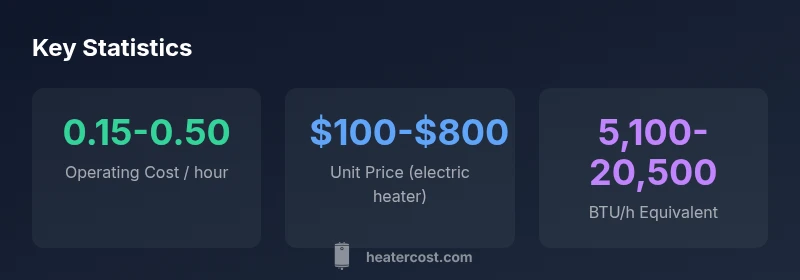
| Electric garage heater | No venting; quick heat; zone control | Higher electricity costs in cold climates; potential electrical load limits | Unit price: $100-$800; installation: $100-$600 | Small to medium garages, dry spaces |
| Propane space heater | High heat output; works without electricity | Fuel storage and venting required; combustion byproducts | Unit price: $150-$900; installation: $150-$500 | Garages with limited electrical service or very cold climates |
Got Questions?
Is an electric garage heater safe for attached garages?
Yes, electric garage heaters are generally safe for attached garages when installed according to manufacturer instructions and local code. Choose models with overheat protection, proper clearances, and a dedicated circuit if required. Smoke and CO detectors in adjacent living areas add an extra layer of safety.
Yes. Use models with proper safety features and ensure correct installation and detectors in living areas.
What is the typical running cost for an electric garage heater?
Running costs vary with climate and electricity rates. A typical small-to-medium unit can cost roughly $0.15 to $0.50 per hour to operate, depending on wattage and local rates. Use a heater with a programmable thermostat to optimize usage.
Costs depend on climate and energy prices; using a programmable thermostat helps keep costs predictable.
Can I install an electric garage heater myself?
Installation often requires wiring to a dedicated circuit and adherence to electrical codes. In many places, a licensed electrician is recommended to ensure safety and permit compliance. Always consult local code and the unit’s installation guide.
It’s best to hire a licensed electrician to ensure code compliance and safety.
How many BTUs does an electric garage heater produce?
Electric heaters are rated in watts. A common range is 1,500–6,000 watts, equivalent to roughly 5,100–20,500 BTU/h depending on the model. Higher wattage yields more heat, suitable for larger spaces.
Look at watts; BTU/h ranges roughly from five thousand to twenty thousand for common models.
Do electric garage heaters need permits?
Permit requirements vary by locality. Some upgrades to electrical service require permits and inspections. Check with your local building department before installation.
Permits depend on your area; check with local building authorities before installing.
“Electric garage heaters offer clean, reliable warmth without combustion byproducts, but total cost depends on electricity rates, insulation, and space sizing.”
The Essentials
- Assess electrical service before choosing an electric garage heater.
- Match heater wattage to garage size and insulation for efficiency.
- Account for installation costs and electrical work when budgeting.
- Electric heaters avoid fuel storage and venting—great for attached garages.
- Compare operating costs based on local electricity rates and climate.