Propane Heaters for Homes: Costs, Safety, and Guidance
A comprehensive guide to propane heaters for homes, covering costs, sizing, safety, venting, and maintenance to help homeowners, renters, and property managers make informed decisions.


Propane heaters for homes are a practical space heating option that delivers rapid warmth when properly vented and sized. They can be cost-effective compared with electric heat in colder climates, especially where natural gas isn’t available. Correct sizing, venting, and professional installation are essential for safety and efficiency.
Why propane heaters for homes remain relevant in 2026
Propane heaters for homes continue to be a practical option for households that lack reliable natural gas service or want an emergency or supplementary heat source. In rural areas and during power outages, propane units can provide dependable warmth without relying on the electric grid. The Heater Cost team notes that propane systems also pair well with other heating strategies, such as wood stoves or heat pumps, to create a flexible, layered approach to home comfort. When correctly sized and installed, propane heaters can deliver fast warmth, favorable performance in cold climates, and usable backup heat during cold snaps. This article uses evidence-based guidance to help homeowners assess sizing, safety, venting, maintenance, and total costs associated with propane heaters for homes.
Key takeaways for homeowners: consider space size, climate, and available venting options when evaluating propane heat as a primary or supplemental source.
How propane heaters work: basics and safety
Propane heaters burn fuel to generate heat that is distributed into living spaces by convection or with integral fans. There are vented and vent-free designs. Vent-free units rely on indoor air and combustion byproducts that must be managed with CO detectors and appropriate clearance to combustibles. Vented models exhaust combustion byproducts outdoors through a flue or chimney. Regardless of design, installation should follow manufacturer instructions and local codes, and a licensed technician is typically required for gas connections and venting. Safety features to look for include automatic shutoff, oxygen depletion sensors on some models, and sealed connections to minimize leaks. For households, it is essential to store propane cylinders in a ventilated outdoor area when not in use and to inspect hoses and cylinders for wear before each heating season.
Sizing and installation: getting it right
Sizing a propane heater is critical for comfort and efficiency. An undersized unit will struggle to warm a space and may run constantly, increasing fuel use and wear. An oversized unit may short-cycle, reducing comfort and shortening the unit’s life. To determine the right size, homeowners should perform a simple room-by-room heat load assessment or consult a professional who can perform a formal calculation using climate data, insulation levels, and window characteristics. Installation involves proper gas line connections, venting design, clearances from walls and furniture, and adherence to local permits and building codes. In many jurisdictions, a licensed gas technician is required to complete the gas line work and venting, ensuring safety and compliance. Checking the manufacturer’s installation manual for clearance measurements and venting requirements is essential before purchase.
Efficiency, costs, and comparison to alternatives
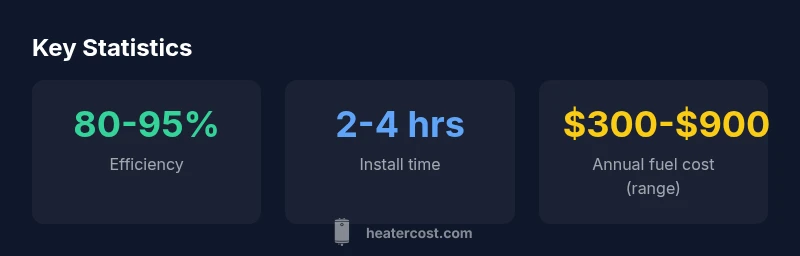
Propane heaters can deliver strong efficiency, typically in the 80-95% range depending on the model and venting configuration. In cold climates, propane can be cost-competitive with electric heat, particularly when electricity prices are high or grid reliability is a concern. When evaluating total costs, homeowners should consider the purchase price, installation costs, propane price volatility, and expected usage. A simple decision framework is to compare propane’s operation cost against electricity costs in your region, factoring in the BTU requirements of the space and the heater’s efficiency. Keep in mind that propane is a fossil fuel; ongoing price fluctuations can influence long-term costs. For some households, propane heating serves best as a supplemental heat source rather than a primary system, especially in well-insulated homes or where electricity rates are manageable.
Practical tip: simulate a winter bill with a simple energy calculator that factors room size, insulation, window area, and expected propane consumption to gain a rough sense of annual cost variation.
Venting, CO safety and code considerations
Venting strategy is central to propane heater safety. Vent-free units should be used only in well-ventilated spaces and require continuous CO monitoring and adherence to manufacturer guidelines. Vented units expel combustion byproducts through a dedicated venting system to the outdoors, which can influence installation costs and allow for safer, higher-heat operation. Always verify that the unit is certified for indoor use and that the venting path is unobstructed and properly sealed. CO detectors should be installed on every level and tested regularly. Local codes may require permits for gas appliance installation and periodic safety inspections. Regular professional servicing, including checking gas lines for leaks, cleaning burners, and verifying vent integrity, can extend the life of the heater and maintain safety margins.
Maintenance and longevity: keeping propane heaters efficient
Routine maintenance is essential for performance and safety. Schedule annual inspections with a licensed technician to check gas connections, burners, heat exchangers, and vent systems. Regularly inspect hoses and cylinders for wear or leaks, and replace chains, fittings, or regulators as needed. Clean or replace air filters if the unit uses a fan-assisted design, and ensure adequate clearance around the heater to prevent overheating. Keep propane cylinders upright and outdoors when not in use, and store spare cylinders in a ventilated area away from ignition sources. Proper maintenance enhances efficiency and extends the unit’s lifespan, reducing the likelihood of costly repairs or unsafe operation.
Note: experiences vary by model and maintenance practices; refer to the manufacturer for specific intervals and procedures.
Choosing the right model: portable vs stationary
Propane heaters come in portable and fixed designs. Portable units offer flexible warmth for living rooms, bedrooms, or outdoor spaces and are convenient during seasonal use or for temporary needs. Stationary propane heaters, including vented wall models and direct-vent designs, are typically more efficient for continuous, space-wide heating and can be integrated into a home’s heating plan. When choosing between portable and stationary options, consider how often you’ll need heat, the space’s size, and whether you want a primary or supplemental heat source. Look for models with clear safety features, stable heat output, and compatibility with existing ventilation arrangements. A professional can help determine the best match for your home's layout and insulation level.
Real-world decision framework for homeowners
To decide if propane heaters belong in your home heating strategy, start by defining your space, climate, and budget. Compare propane costs with electricity or natural gas in your area, evaluating energy price trends, usage patterns, and space heat requirements. Consider the space’s insulation quality, window performance, and whether you expect to rely on propane during outages. Finally, weigh installation costs, ongoing fuel costs, and the availability of service technicians in your region. By following a structured assessment, homeowners, renters, and property managers can determine whether propane heaters for homes fit their needs and lifestyle. For those seeking a balanced approach, propane heat can offer reliable supplemental warmth while keeping options open for future upgrades.
Comparison of propane heater types
| Model Type | Fuel Source | Typical Use | Approximate Efficiency |
|---|---|---|---|
| Ventless propane space heater | Propane | Supplemental heat in living spaces | 80-95% |
| Direct-vent propane heater | Propane | Whole-room heating in cold climates | 85-99% |
| Propane wall heater (vented) | Propane | Primary/backup heat in small homes | 75-90% |
Got Questions?
Are propane heaters safe for indoor use?
Yes, propane heaters can be safe indoors when vented correctly and equipped with CO detectors. Follow manufacturer instructions and local codes, and have a licensed professional handle gas connections.
Propane heaters can be safe indoors if you vent them properly and monitor for carbon monoxide with detectors.
Do propane heaters require venting?
Most indoor propane heaters require venting to the outdoors to remove combustion byproducts. Ventless units should only be used in well-ventilated areas and with CO monitoring.
Yes—venting is usually required to keep indoor air safe and healthy.
How do I estimate the right size for my space?
Use room area, insulation, and climate data to estimate BTU needs. A professional heat-load calculation helps ensure you choose a heater that fits the space without short-cycling.
Size matters—get a proper calculation to match heater output to your room.
What maintenance is needed?
Schedule annual inspections, check for gas leaks, inspect vents, clean burners, and replace worn parts as recommended by the manufacturer.
Regular maintenance keeps it safe and efficient.
How do propane heaters compare to electric heat in cost?
Propane can be cheaper in colder climates or where electric rates are high, but price volatility and efficiency affect overall costs. Compare regional propane prices with electricity costs for a fair assessment.
It depends on local prices and usage; compare costs in your area.
Can I install one myself?
Most propane heaters require professional installation due to gas line work and venting. DIY installation is not recommended because of safety and code concerns.
No, get a licensed pro for installation.
“Propane heaters can be safe and efficient when properly sized and vented, and when homeowners follow ventilation and maintenance guidelines.”
The Essentials
- Actively size heaters to space and climate before purchase
- Ensure proper venting and CO safety measures for indoor use
- Compare propane costs to electricity to determine total annual costs
- Prioritize professional installation and routine maintenance
- Use propane heaters as part of a layered home heating plan