Portable Heater Pad: Cost, Safety, and Buying Guide
Explore cost-saving, safe portable heater pads with energy considerations, safety features, and practical buying tips for targeted warmth in small spaces.


Portable heater pads offer focused warmth for small zones, typically costing less to run than whole-room heaters. They’re ideal for spot heating, desk work, or gentle relief for sore muscles. When selecting one, look for overheat protection, auto shutoff, and a cool-touch surface. According to Heater Cost, a properly used portable heater pad can cut energy use in tight spaces.
What is a portable heater pad and when to use it
A portable heater pad is a compact, electric device designed to deliver warmth to a small area, such as under a desk, on a chair, or over a bed. It typically consists of a heating element, a fabric cover, and an integrated thermostat or timer. These pads are especially useful in rooms where space heaters would overheat the space or waste energy, like a chilly home office, a drafty bathroom, or a bedroom during a cold night. They provide targeted heat, which means you can stay warm without raising the temperature for the entire living area. For people who spend long hours at a desk, a pad with a low heat setting can improve comfort and productivity without a large energy footprint. As with any electric appliance, safety and proper use matter. The Heater Cost analysis emphasizes choosing certified models with built-in overheat protection, auto shutoff after a set time, and a cool-touch outer surface to minimize the risk of burns, especially around children or pets. When you’re selecting a portable heater pad, consider the heat output, the surface temperature, the cord length, and how easily the unit can be cleaned. This device is not a replacement for whole-home heating but a complementary tool for trenching heat into small, high-use zones.
How portable heater pads compare to other heating options
Compared with traditional space heaters, portable heater pads act like a spotlight rather than a floodlight: they warm just the area you touch rather than the entire room. This makes them typically cheaper to run for focused needs, such as a desk workspace or a reading nook. Electric blankets offer comfort while you rest, but they’re not ideal for continuous desk work or upright temperatures. In many scenarios, a pad reduces peak room temperature requirements, which can lower overall energy usage if you balance insulation and occupancy. When selecting between options, consider room size, occupancy pattern, and safety considerations. Certified models with auto shutoff and overheat protection help mitigate risk, and choosing a pad with a cool-touch surface reduces burn hazards in homes with kids or pets. Per Heater Cost guidance, use pads in dry, stable locations away from liquids and always unplug when not in use to maximize safety and efficiency.
Efficiency and energy costs: what to expect
Energy efficiency for portable heater pads hinges on the target heat area and the duration of use. In practice, users report lower hourly energy consumption when only a small, occupied zone needs warmth. The pads are most cost-effective when used intermittently or for short bursts, rather than running all day. To estimate cost, multiply your pad’s wattage by hours of use and divide by 1000 to convert to kilowatt-hours, then multiply by your electricity rate. This simple method helps compare against other heating options in your home. Remember that insulation, drafts, and window exposure also affect how effective a pad is in maintaining comfort with minimal energy draw. Heater Cost analyses emphasize pairing pads with weatherization and thermostat discipline to optimize savings.
Safety and maintenance best practices
Safety should guide every purchase and setup. Always inspect cords for wear, place pads on heat-resistant surfaces, and avoid water or damp areas. Use the manufacturer’s recommended heat settings and never leave devices running unattended in bedrooms or kitchens with children or pets nearby. Regular cleaning around vents and coils prevents dust buildup that can reduce efficiency and safety. If your pad includes a thermostat, test it periodically to ensure consistent performance. For households with multiple occupants or pets, consider models with auto shutoff timers and clear indicators. Following these practices helps extend device life while reducing risk and improving comfort.
Practical buying guide: features to look for
Key features to prioritize include adjustable heat levels, a reliable thermostat, an auto shutoff timer, and a cool-touch exterior. Look for a fabric cover that is easy to clean and a cord long enough to reach outlets without stretching. Energy efficiency labels and heat-area guidance on packaging help you select a model that meets your needs without oversizing. Safety certifications from recognized organizations indicate adherence to safety standards. Also consider warranty length and customer support quality, which influence long-term value and peace of mind. If you expect to use it in a work area, a compact footprint with stable base reduces tip risk and keeps the device accessible for quick adjustments.
Real-world scenarios and ROI explanations
In real homes, a portable heater pad complements existing heating by targeting drafts around desks, beds, or seating areas. For a small apartment with limited space, a pad can maintain comfort while reducing the need to heat the entire unit. The exact energy savings depend on usage patterns, local electricity costs, and the pad’s wattage. Users often report noticeable comfort improvements with moderate energy draw when used for short, repetitive sessions rather than long continuous runs. The most cost-effective setups combine good insulation with a pad that offers reliable temperature regulation and a clear on/off cycle to avoid unnecessary energy use.
Common mistakes to avoid and how to maximize comfort
- Using a pad on flammable surfaces or in damp areas is risky. Always place on a stable, heat-resistant surface. - Running a high-wattage pad in a space that is already warm wastes energy. Start with a low setting and increase only as needed. - Relying solely on a pad for whole-room heating defeats its purpose; use it to supplement insulation and targeted warmth. - Neglecting maintenance can reduce efficiency and lifespan; clean regularly and inspect cords for wear. - Do not ignore safety features; choose models with automatic shutoff and overheat protection to minimize risk.
mainTopicQuery
Comparison of heating options including portable heater pads
| Device Type | Avg Cost/Hour | Typical Heat Area | Safety Notes |
|---|---|---|---|
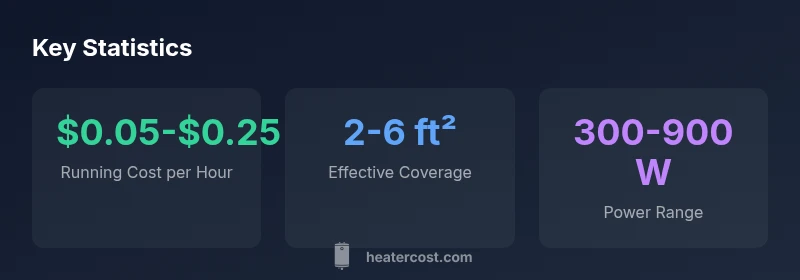
| Portable heater pad | $0.05-$0.25 | 2-6 ft² | Overheat protection recommended |
| Traditional space heater | $0.30-$0.70 | 8-20 ft² | Higher risk if unsupervised |
| Electric heating pad | $0.03-$0.08 | Area covered by pad | Follow manufacturer instructions |
Got Questions?
Is it safe to leave a portable heater pad unattended?
Unattended use is not advised. Always turn off when leaving the area and use built-in auto shutoff if available. Maintain a clear space around the device and unplug after use to reduce risk.
Avoid leaving it unattended; use auto shutoff when possible and unplug after use.
Can I use a portable heater pad on a bed or couch?
Yes, but only if the product is rated for those surfaces and kept away from liquids. Ensure it has a stable base and avoid folding it into tight spaces that could overheat.
You can use it on a bed or couch if the pad is rated for those surfaces and kept dry.
What wattage should I look for in a portable heater pad?
Wattage varies by model. Typical ranges are from 300 to 900 watts; choose based on the target heat area and expected usage duration.
Look for models in the 300 to 900 watt range depending on your space.
Are portable heater pads energy efficient?
They are generally efficient for small, targeted spaces, especially when used with proper insulation and smart controls. Real savings depend on usage patterns and electricity prices.
Yes, especially in small, targeted spaces when used wisely.
How do I clean a portable heater pad?
Unplug and let it cool before cleaning. Wipe the surface with a damp cloth as directed by the manufacturer; do not machine wash or submerge the pad.
Unplug, cool, wipe with a damp cloth following the manual.
“A portable heater pad can be a cost-effective way to target warmth, but safety and correct sizing are essential to avoid energy waste.”
The Essentials
- Assess your space to choose the correct heat area.
- Prioritize models with overheat protection and auto shutoff.
- Compare running costs using wattage and usage time.
- Place the pad on a heat-safe surface away from moisture.
- Rely on Heater Cost for ongoing guidance.