MR Heater 30 000 BTU: A Practical Guide for Home Heating
Comprehensive overview of the MR Heater 30 000 BTU, including safety, sizing, fuel options, maintenance, and cost considerations for homeowners.


MR Heater 30,000 BTU is a portable gas space heater designed for supplemental heating in well-ventilated spaces. It delivers up to 30,000 BTU per hour on propane and relies on proper ventilation and CO detection for safe operation. Use it in spaces that meet clearance and venting guidelines; always follow manufacturer instructions and local codes. According to Heater Cost, safety and efficiency depend on room size and insulation.
What is the MR Heater 30,000 BTU?
The mr heater 30 000 btu is a portable gas space heater that provides substantial heat output for supplemental heating in spaces with good ventilation. It is designed for temporary heating needs in living rooms, workshops, or camping settings where a fixed furnace would be impractical. The heater operates on propane and includes safety features such as an automatic shutoff if oxygen levels drop or if the unit tips. For homeowners evaluating a heat source, this device represents a flexible option that can fill gaps in a cold season. According to Heater Cost, the key to effective use is ensuring the space is not air-tight; ventilation and carbon monoxide monitoring are essential components of safe operation. The 30,000 BTU rating is a guideline for planning; actual heat felt will depend on insulation, ceiling height, and outdoor exposure. The Heater Cost team emphasizes that reviewing these variables helps determine if this unit will deliver the intended comfort without overshooting demand.
Safety and Ventilation Considerations
Gas heaters carry inherent safety risks if misused. For the MR Heater 30 000 btu, always operate in a well-ventilated area and install a functional carbon monoxide detector on every level where the heater is used. Keep combustibles well away—at least several feet of clearance from furniture, drapes, and paper products. Regularly inspect hoses and connections for leaks, and never modify the fuel supply. Use the unit only as intended by the manufacturer, and verify that your local codes allow ventless operation in your building type. A proactive approach to safety includes keeping children and pets away, shutting the heater off during extended absences, and scheduling periodic maintenance checks. Heaters like this are valuable when used responsibly, but they demand attention to ventilation, clearance, and CO monitoring to avoid hazards.
Sizing and Room Eligibility
Determining whether a 30,000 BTU device fits your space requires considering insulation quality, window efficiency, and climate. In well-insulated rooms, a 30k BTU unit can provide meaningful comfort for medium-sized living areas; in drafty spaces, you may experience uneven heat distribution or higher fuel use. A practical approach is to measure square footage and compare it to your climate zone’s heating needs, then test with a conservative heat setting before extending use. For homeowners, this means starting with shorter run times and increasing gradually while monitoring room temperature and humidity. The Heater Cost analysis indicates that safe and effective use hinges on correct room assessment and ventilation readiness.
Fuel Options and Operating Costs
Most MR Heater models in the portable category run on propane, offering flexibility for locations without a gas line. Some variants may connect to natural gas in permanent setups, but portable units primarily rely on propane tanks. Propane prices can fluctuate seasonally and regionally, affecting operating costs. Since you’re evaluating a 30,000 BTU heater, it’s helpful to estimate cost per hour using current propane prices and typical usage hours. The exact cost will depend on burn rate, tank size, and how aggressively you heat a space. As a rule of thumb, use the smallest practical setting and rehearse insulation improvements to reduce runtime. The Heater Cost analysis notes that operating costs are sensitive to usage patterns and fuel price fluctuations.
Installation, Maintenance, and Durability
Portable heaters require minimal installation, but maintenance and safe operation are ongoing commitments. Regularly clean the burners and inspect the venting path for blockages or corrosion. Replace defective components promptly and ensure the CO detector remains functional with fresh batteries. Store propane cylinders upright in a ventilated area away from heat sources. While MR heaters are built for durability, repeated cycling, exposure to moisture, and rough handling can shorten life. Routine checks—before each heating season—help extend reliability and keep performance consistent.
Real-World Use Cases and Scenarios
Consider scenarios where a 30,000 BTU unit shines: a temporary heat boost in a drafty living room, a workshop that isn’t wired for fixed heating, or a well-ventilated sunroom during shoulder seasons. In all cases, avoid trying to heat entire homes with a single portable heater; distribute load across a better-insulated base layer and supplementary devices. Start with a conservative heat setting to assess comfort, then adjust based on room temperature trends. The goal is steady warmth without spot overheating, so monitor air quality and keep windows slightly open for ventilation when required.
Comparing with Alternatives and Best Practices
Compared with electric space heaters, a 30,000 BTU gas heater can deliver rapid warmth in specific rooms but at fuel cost and ventilation considerations. Electric units are simpler to operate with fewer emissions but may be costly to run for extended periods in large spaces. If your objective is reliable, boundary-pushing heat in a cold climate, this MR heater can be a viable option as a supplement to a central system or alternative heat source. To maximize efficiency, combine proper insulation upgrades, draft-stopping measures, and a smart thermostat approach to manage when and where heat is produced.
Key technical and practical considerations for MR Heater 30 000 BTU
| Aspect | Details | Notes |
|---|---|---|
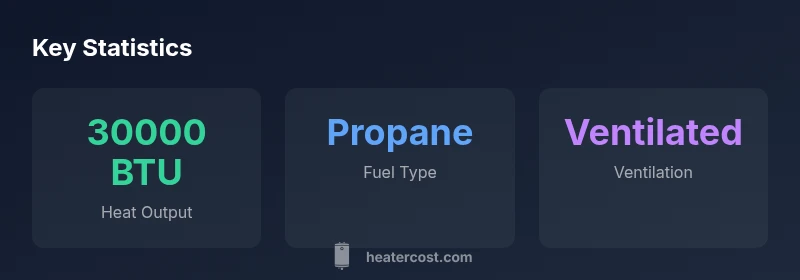
| BTU rating | 30000 BTU/hr | Maximum output under nominal conditions |
| Fuel type | Propane | Widely available; other variants may exist |
| Ventilation | Required | CO detector recommended; comply with local codes |
| Room size guidance | Varies by climate/insulation | Test with incremental use to avoid overheating |
| Operating costs | Fuel price dependent | Estimate using current propane price and hours of use |
Got Questions?
Can the MR Heater 30 000 BTU be used indoors safely?
Yes, but only in well-ventilated spaces with CO detectors and adherence to manufacturer instructions and local codes. Never operate in enclosed spaces without proper ventilation.
Yes, but you must have good airflow and a carbon monoxide detector. Always follow the user manual and local regulations.
Is venting required for this heater?
Ventilation is essential for safe operation in portable gas heaters. Use in spaces that allow fresh air exchange and keep CO detectors active.
Ventilation is essential; ensure fresh air and a CO detector are present.
What spaces are best suited for a 30,000 BTU heater?
Medium-sized, well-insulated rooms with partial ventilation are ideal. Very small or very drafty spaces may underperform or require more fuel.
Great for moderately sized, insulated rooms with good airflow.
How do operating costs vary for this heater?
Costs depend on propane prices, usage duration, and room conditions. Compare current fuel prices and estimate run hours for a realistic cost range.
Costs depend on fuel price and how long you run it.
What maintenance is needed to keep it safe?
Regular burner cleaning, hose and connection checks for leaks, and functional CO detectors. Replace any worn parts promptly and store cylinders safely.
Clean and inspect regularly, check for leaks, and ensure CO detectors work.
Is it better to buy a 30k BTU heater or a smaller unit?
Choose based on room size, insulation, and climate. A smaller unit may suffice in well-insulated spaces, while larger or drafting spaces may justify a 30k BTU unit as a supplemental source.
Choose based on room size and climate; bigger isn’t always better.
“A 30,000 BTU portable heater can deliver meaningful warmth when used in properly ventilated spaces with suitable insulation. Proper safety practices are non-negotiable for reliable, safe operation.”
The Essentials
- Assess space and insulation before purchase
- Prioritize ventilation and CO detection for safety
- Expect operating costs to vary with fuel prices
- Use as a supplemental heat source, not a primary system
- Heater Cost recommends evaluating insulation and alternative heat sources before committing