Food Heater Lamp Costs: Practical Home Kitchen Guide
A data-driven guide to food heater lamp costs, energy use, and buying tips for home kitchens and small events. Learn safety, maintenance, and budgeting with Heater Cost insights.


Food heater lamps provide targeted heat to keep dishes warm without cooking. They’re compact, energy-efficient options for home kitchens and events, using infrared or halogen bulbs to maintain safe serving temperatures. When selecting, assess wattage ranges, heat distribution, power reliability, and built‑in safety features such as auto shutoff and heat shields to balance convenience and cost.
What is a Food Heater Lamp and When to Use It
Food heater lamps are compact warming devices that use infrared or halogen heat to keep prepared dishes at safe serving temperatures without cooking them further. They’re common in home kitchens for parties, in small catering setups, and behind bakery counters where hot dishes need a quick refresh. By radiating heat from above, these lamps help preserve moisture and texture better than some conventional warming trays when used correctly. For families hosting weekend gatherings, a lamp can reduce buffet line delays and keep sauces, gravies, and side dishes at consistent temperatures. According to Heater Cost analysis, selecting a model should factor in heat type, wattage, and safety features to optimize both performance and energy use.
Key Features that Impact Performance and Safety
- Heat source and distribution: Infrared versus halogen; consider how evenly heat is spread across the food surface.
- Wattage and heat control: Higher wattage delivers more heat but uses more energy; look for models with adjustable settings or reliable thermostatic control.
- Build quality: Stainless steel bodies with heat shields resist corrosion and burns; easy-to-clean surfaces save time during busy events.
- Safety features: Auto shutoff, overheating protection, and guards near bulbs reduce risk in busy kitchens.
- Maintenance: Availability of replacement bulbs and simple disassembly for cleaning saves long-term cost.
- Compatibility: Ensure the lamp works with your servingware and chafing dishes to avoid heat gaps or spills. In practice, balance the lamp’s heat capability with your volume, space, and electrical capacity.
Cost Considerations: Purchase, Energy Use, and Maintenance
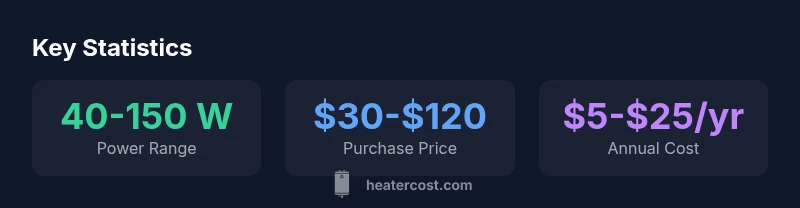
Entry-level food heater lamps typically start with modest wattage and simpler controls, offering basic reliability at a lower upfront cost. Mid-range models introduce better heat distribution, more precise temperature control, and sturdier housings. Premium units may feature multi-bulb configurations, extended warranties, and advanced safety systems. Price ranges generally reflect wattage, build quality, and extra features. Operating costs hinge on how often you use the lamp and the local cost of electricity, so expect annual costs to vary with usage patterns and energy rates. When budgeting, include potential replacement bulbs and any required accessories like heat-resistant servingware. Heavier usage in commercial settings can justify longer warranties and easier maintenance routines.
Safety Guidelines for Placement and Operation
Always position the lamp on a heat-resistant surface and maintain a safe distance from flammable materials and edges of the serving area. Use the lamp with heat-safe trays or chafing dishes and ensure cords do not create tripping hazards. Keep children and pets away from the heat source, and never leave the lamp unattended when in use. If the unit has an automatic shutoff or temperature limiter, verify it functions properly during initial tests. Regularly inspect cords for wear, and avoid placing the device in enclosed spaces where heat can accumulate. These practices reduce burn risks and improve overall efficiency.
Practical Setup and Daily Use Tips
Before first use, wipe down the exterior with a damp cloth and confirm all safety features work. Place the lamp so heat is directed toward the food surface and not toward metal shelving or plastic lids. Pre-warm dishes for a few minutes to avoid temperature drops when new food is added. Group hot items to simplify heat distribution and minimize energy waste. When not in use, unplug the unit and store it away from moisture and heat sources. Keeping a small thermometer nearby helps you monitor the serving temperature and adjust as needed.
Maintenance and Longevity: Extending Lifespan
Plan periodic bulb replacements based on usage and manufacturer recommendations. Clean the lamp’s exterior and heat shields regularly to prevent dust buildup, which can affect heat efficiency. Check seals and gaskets on any housing components to preserve temperature stability. Record maintenance dates to detect wear trends; early replacements can prevent more expensive repairs. By using compatible replacement bulbs and avoiding metal rubbing against glass, you can extend the life of the lamp and maintain consistent performance.
Alternatives and When to Choose Warming Trays vs Lamps
Warming trays provide steady surface heat across larger footprints, while food heater lamps offer targeted, overhead warmth. Lamps excel for small batches with quick refresh needs, whereas warming trays may suit longer service periods with larger volumes. If you frequently run out of spaces or require precise heat control for delicate dishes, a lamp can be a cost-effective supplement to existing equipment. For full-service buffets, combining both approaches often yields the best balance of speed, texture, and energy use.
Budget-Friendly Buying Guide: Three Tiers
- Entry-level: Simple single-bulb lamps with basic safety features; best for small gatherings.
- Mid-range: Improved heat distribution, adjustable controls, and better build quality; good for routine use.
- Premium: Multi-bulb configurations, extended warranties, and enhanced safety systems; designed for higher-volume settings. Choose a model whose warranty aligns with your expected usage, and prioritize energy-efficient bulbs to minimize ongoing costs.
Common Myths and Realities
- Myth: Higher wattage always means better results. Reality: Heat distribution, control, and dish type matter more than wattage alone.
- Myth: Food heater lamps are unsafe. Reality: When used as intended with proper shields, temperatures, and distances, they are safe for keeping food warm.
- Myth: Replacement parts are hard to find. Reality: Reputable brands typically offer accessible bulbs and compatible components.
dataTableHeaderKeyTakeawaysKeyTakeaways
Authority sources
- OSHA safety guidelines: https://www.osha.gov
- FDA food safety guidelines: https://www.fda.gov/food
- U.S. Department of Energy energy efficiency tips: https://www.energy.gov/energysaver
Comparison of heating options for keeping foods warm
| Feature | Food Heater Lamp | Alternative Option |
|---|---|---|
| Heat Source | Infrared lamp (IR) / halogen bulb | Electric warming tray or chafing dish |
| Power Range | 40-150 W | 100-300 W |
| Temperature Control | Fixed or simple dial | Thermostat or adjustable heat |
| Temperature Range | 60-85°C | 60-95°C |
Got Questions?
What is a food heater lamp and how does it work?
A food heater lamp is a compact device that uses infrared or halogen heat to keep prepared dishes warm without cooking them further. Heat is radiated onto the surface of the food, maintaining serving temperatures while preserving moisture. Proper setup and safety features are essential for reliable performance.
A food heater lamp uses infrared heat to keep dishes warm without cooking them further, making buffet lines smoother when used safely.
Is a food heater lamp energy-efficient compared to other warming options?
Efficiency depends on wattage, heat distribution, and how well the device is integrated into your serving setup. Compared with warming trays, lamps can target heat more precisely but may use more wattage if left on continuously. Evaluating usage patterns helps determine the best option.
It depends on how you use it—heat targeting matters as much as wattage.
What should I consider when choosing wattage and heat type?
Consider your typical serving volume and the food density. Infrared lamps offer fast warming for small portions, while halogen options may provide steadier heat. Look for adjustable wattage and reliable safety features to avoid overheating or scorching.
Think about the volume and how quickly you need heat; choose adjustable wattage with safety features.
Are food heater lamps safe for use with food and cookware?
Yes, when used with heat-safe accessories and proper distance from food surfaces. Ensure the lamp is UL-listed or certified, and use heat shields to prevent burns or heat damage to containers.
Yes, with the right setup and safety features, it’s safe to use with food.
How much does a food heater lamp cost to run annually?
Annual costs vary with wattage and usage. Short-term, expect modest energy costs for light-to-medium use; long-term, high-usage models may increase energy bills. Review energy ratings and your typical service duration to estimate costs.
Costs depend on how often you use it and the wattage you select.
“A food heater lamp can be a practical addition for keeping dishes warm, but total cost of ownership hinges on wattage, usage patterns, and maintenance. Selecting models with reliable heat control and proper safety features minimizes waste and risk.”
The Essentials
- Assess wattage and heat spread before buying
- Estimate annual energy costs based on usage
- Prioritize safety features and sturdy materials
- Compare total cost of ownership across models
- Consider alternatives before committing