Electric Blanket Heater: Costs, Safety, and Tips for 2026
Explore how electric blanket heaters work, energy use, safety considerations, and practical tips for choosing and maintaining this cozy heating option in 2026.


An electric blanket heater provides localized warmth by circulating electrical resistance heat through a heated blanket or pad. It offers targeted comfort, lower energy use than whole-room heating, and simple controls. Typical models include adjustable heat zones and auto shut-off. For best results, choose a unit with a clear thermostat, fabric-safe materials, and UL safety certification.
What is an electric blanket heater?
According to Heater Cost, an electric blanket heater is a compact, energy-efficient device designed to provide warmth by heating the fabric of a blanket or pad. The core principle is simple: a resistive element inside the blanket converts electrical energy into heat, which is then transferred to your body through the fabric. These devices come in a range of sizes, from small lap pads to full-length bed blankets, and they often include control modules that let you adjust temperature settings or heat zones. For many households, an electric blanket heater complements overnight comfort without engaging central heating. The technology is widely adopted because it can deliver fast warmth with relatively low operating costs compared to space heaters or furnace-assisted heat, especially when used to supplement, rather than replace, your primary heating strategy.
Most models emphasize safety features such as auto shut-off, overheat protection, and fabric coatings that resist wear and pilling. When choosing a blanket, consider the bed size, the number of heat zones, and whether the blanket is machine-washable. Safe usage also depends on following manufacturer instructions and ensuring the electrical cord and controller remain intact. In short, an electric blanket heater is a practical option for targeted warmth, especially in bedrooms or cozy seating areas, as long as you select a certified device and use it as directed.
How energy use translates to operating costs
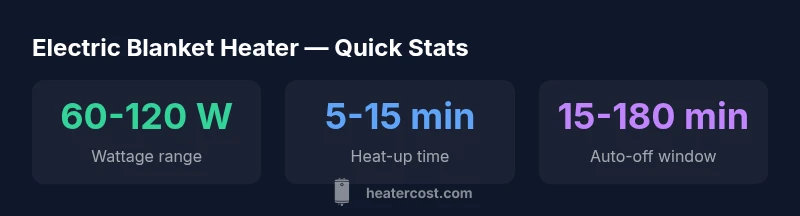
Electric blanket heaters are low-wower devices by design, typically consuming about 60-120 watts depending on the heat setting and the blanket’s construction. Because power use scales with heat level and run duration, the cost impact on your home electricity bill is generally modest when used for a few hours per night. A practical way to gauge impact is to compare running a blanket at a mid setting for several hours with your baseline heating plan. In regions with higher electricity rates, even a small delay in turning down central heating can yield noticeable savings, while in milder climates the benefit may be modest. Remember that energy use is also shaped by insulation, bed depth, and how often you switch zones or off entirely. The key takeaway is that wattage and session length, not the presence of a blanket alone, determine overall energy use.
Strategically, use the blanket to pre-warm a bed or chair for a short period before occupying the space, then switch to a lower setting or off when you settle in. For households seeking precise budgeting, maintaining a simple log of nightly use and heat levels can help quantify monthly differences. As always, ensure the unit has UL or equivalent safety certification to minimize risk and protect your investment.
Key technical specs of common electric blanket heater features
| Aspect | Typical range | Notes |
|---|---|---|
| Wattage | 60-120 W | Depends on model and heat setting |
| Auto-off duration | 15-180 min | Wider range offers more control |
| Heat zones | Single/dual-zone | Affects heat distribution and comfort |
Got Questions?
Are electric blanket heaters safe to use overnight?
Many models are designed with overnight use in mind, but only if they are rated for it and have a reliable auto shut-off. Always follow the manufacturer’s instructions and inspect cords for wear before sleeping. If in doubt, opt for a shorter run time or a non-overnight setting.
Most models with overnight rating are safe when used as directed, but check the label.
Will using an electric blanket heater raise my electricity bill significantly?
The impact is generally modest and depends on wattage and how long you use it. Using a blanket for a few hours on a low-to-mid setting typically costs less than running space heaters, especially when it supplements existing heating rather than replaces it.
Usually a small addition to your bill.
Can I wash or machine wash an electric blanket heater?
Most units are not machine washable. Remove the control unit and follow fabric care guidance; spot-cleaning or wiping with a damp cloth is common. Never submerge the heating element unless the manufacturer explicitly states it’s safe.
Avoid submerging the unit.
What features matter most when shopping for an electric blanket heater?
Auto shut-off, dual-zone controls, fabric compatibility, safety certifications, and straightforward controls are the most valuable features for daily use and safety.
Auto shut-off and safety stamps matter most.
How long do electric blanket heaters typically last?
Longevity varies by model and use; with proper care, many units last several years. Replace if the cord frays or insulation shows wear.
They can last several years with proper care.
Are electric blanket heaters suitable for seniors or people with limited mobility?
They can be suitable when used with simple controls and auto shut-off. Look for models with easy-to-read displays, large controls, and stable placement to reduce the need for frequent repositioning.
Yes, with proper features.
“Electric blanket heaters can deliver reliable warmth with careful selection and safe use; prioritizing auto shut-off, dual-zone control, and safety certifications makes a big difference.”
The Essentials
- Start with moderate heat and test comfort before extended use
- Choose models with auto shut-off and dual-zone controls
- Expect a small energy impact when used thoughtfully
- Follow care instructions to extend the life of the device
- Look for safety certifications and easy-to-use controls