Space Heater Home: Safe & Efficient Heating Guide
Learn how to choose, use, and maintain a space heater at home. This guide covers safety, efficiency, and cost considerations for homeowners, renters, and property managers.


Space heaters are designed to quickly warm a single room when used as a supplemental heat source, particularly in well-insulated spaces. Look for models with adjustable heat settings, a built-in thermostat, and safety features like tip-over and overheat protection. Use them only in occupied rooms and never as the primary heating method for a whole home.
About space heater home: scope and intent
Space heater home decisions hinge on who you are and where you live. For renters, a compact, portable unit can deliver warmth to a drafty bedroom or living room without altering the building. For homeowners, it can supplement a central system during shoulder seasons or in zones where a furnace is less efficient. Property managers often require quick, safe solutions to keep common areas comfortable between seasonal service visits. This guide focuses on electric space heaters as a flexible, safe option for those goals. It does not replace a primary heating system in most homes, but when used correctly it can improve comfort and reduce overall energy waste by avoiding unnecessary heating in unoccupied spaces. According to Heater Cost, the first step is to assess the space you need to heat and consider insulation, air leaks, and occupancy patterns. In a well-insulated room, a small heater can provide noticeable comfort without turning the entire house into a furnace. In contrast, a drafty room or a large open area may require multiple units or an alternative heating strategy. The intent here is practical: learn about types, sizing, placement, and safety so you can choose a model that matches your real-world needs while keeping energy use reasonable.
How space heaters work and shapes
Electric space heaters convert electrical energy into heat, but they come in several designs that trade heat delivery for speed or energy efficiency. Ceramic heaters use a ceramic core that heats quickly and distributes warmth with a fan; oil-filled radiators rely on heated oil inside a sealed core to release gentle warmth; infrared or quartz models emit radiant heat that warms objects directly; convectors warm surrounding air that rises naturally. Each type has pros and cons: ceramic units are fast and portable; oil-filled units stay cooler to the touch and retain heat longer after they’re off; infrared heaters feel immediate but heat a smaller area; convectors are quiet but may cycle on/off more often. When space heater home users choose among these shapes, they should consider how the heat will spread in their room, whether pets or kids are present, and how often the unit will be moved. A good approach is to think in terms of heat delivery style: quick one-room warmth (ceramic or infrared) versus steady background warmth (oil-filled or convection). The right choice depends on ceiling height, floor plan, and the positions of doors and windows.
How to size and choose the right heater
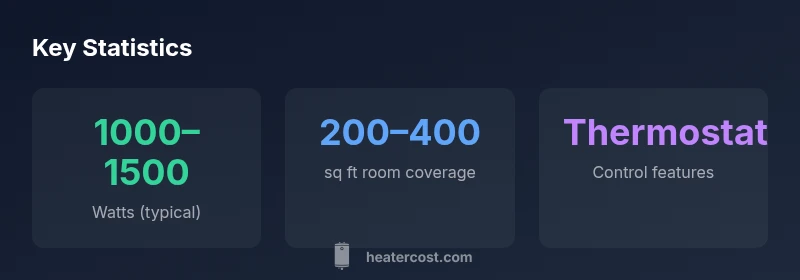
Selecting the right heater begins with a simple room assessment: measure the room size, note insulation quality, and identify any drafts around windows or doors. In general, smaller, well-insulated spaces respond best to compact units around 1000–1500 watts maximum, while larger or draftier rooms may need heavier capacity or multiple units. For space heater home usage, plan for comfort rather than complete climate control; most people heat only the portion of the space where they spend time. A practical sizing method is to estimate wattage per square foot, adjusting for climate and insulation. For example, a well-insulated 150–200 square foot living area might be adequately served by 1000–1500 watts, whereas a 400–600 square foot room with drafts or high ceilings could require higher output or a second heater. Beyond wattage, consider thermostat control and heat-activated safety features, such as automatic shutoff and tip-over protection. With safety in mind, avoid placing heaters behind furniture or near beds, and never leave a running heater unattended when you leave the room or go to sleep.
Safety features and best practices
Safety is the most important factor with space heater home use. Always use a model that includes a cool-to-touch housing, a tip-over switch, and an automatic shutoff if the unit overheats. Look for built-in thermostats and overheat protection to prevent energy waste and fire risk. Place the heater on a flat, stable surface away from water and flammable materials, with at least three feet of clearance on all sides. Keep cords out of walkways to prevent tripping, and unplug the device when it’s not in use. Use dedicated outlets and avoid running heaters through extension cords, which can overheat. If you have children or pets, consider models with protective grilles and a lower heat setting for safe ongoing use. Finally, perform routine maintenance such as cleaning dust from grilles and ensuring the cord and plug show no wear. If you notice burning smells, buzzing noises, or unusual heat, unplug and discontinue use.
Efficiency and operating costs: myths vs reality
Many homeowners assume space heaters save money by letting you shut down central heating. In practice, heating a small space with an electric heater can still be expensive if you rely on it heavily and run it at high settings for long periods. The most cost-effective strategy is to use the heater when you are in the room, at moderate heat, and in tandem with proper insulation and draft sealing. Energy efficiency ratings and features like thermoregulation help; look for models with adjustable thermostats, ECO modes, and ceramic elements that minimize heat loss. However, while space heaters can reduce energy use in some scenarios, they’re not a universal solution for replacing a home’s central heating system. Based on Heater Cost research for 2026, the best value tends to come from targeted use in occupied spaces combined with smart home zoning where possible. In cold snaps, layering with weatherstripping and a programmable thermostat for the main system often yields greater savings than extended use of a single space heater.
Placement strategies for different rooms
Room-by-room placement matters for comfort and safety. In the living room or family room, position the heater so that heat flows away from the walls and toward seating areas, avoiding corners where drafts can cool the heat quickly. In bedrooms, choose low-heat, quiet models and place them where accidental contact is unlikely; keep children and pets from touching the heater. At a home office, a compact unit near the desk or near the seating area can reduce the need to raise the thermostat for the entire house. In kitchens or bathrooms, avoid electric heaters altogether due to moisture and electrical hazards; instead use dedicated vented systems where appropriate. Always operate heaters on hard flooring rather than carpets that can trap heat and lint. If you use multiple units, stagger their operation so you don’t exceed outlet capacity.
Maintenance and longevity
To extend the life of your space heater, keep it clean and dry, with routine inspections for frayed cords or damaged grilles. Unplug before cleaning, and use a soft brush or vacuum to remove dust from vents. Store heaters in a dry, dust-free area when not in use, and avoid wrapping cords tightly around the unit. Annual checks by a professional are not required for most residential electric space heaters, but if you notice weak performance, rattling noises, or reduced heat output, it may indicate a loose connection, a failing thermal switch, or worn components that require replacement. Keep a small routine: quick inspections after every season and proper storage during warm months. This approach reduces safety risks, helps maintain heat efficiency, and prolongs the life of components such as fans, thermal switches, and heating elements.
Alternatives and a practical decision tree
Finally, consider where a space heater fits within your overall heating plan. If you live in a small apartment, a space heater plus draft sealing can be enough for shoulder seasons. In larger homes or spaces with high ceilings, central heating improves reliability and comfort. A practical decision tree: assess room size and insulation; check safety features; compare operating costs; evaluate climate and occupancy patterns; decide whether to rent or buy; plan for a backup heat source in extreme cold. For many households, the optimal approach is a mixed strategy: keep central heating as the backbone, supplement with space heaters to maintain comfort in frequently used rooms, and use insulation improvements to reduce energy waste year-round.
Comparison of common space heater types
| Space Heater Type | Typical Use Case | Pros | Cons |
|---|---|---|---|
| Ceramic | Quick warmth for small to medium rooms | Warmth is fast; portable and affordable | Can be noisy; heat may not distribute evenly |
| Oil-filled | Steady, low-noise warmth in living areas | Quiet; retains heat after off | Slower to heat; heavier |
| Infrared/Quartz | Direct heat to objects/people | Immediate heat; energy-efficient for spot heating | Heat concentrated; not ideal for whole room |
| Fan-forced convection | Medium to large rooms | Good airflow; inexpensive | Can dry air; louder due to fan |
Got Questions?
Can space heaters be used in bedrooms?
Yes, with careful placement and low heat settings. Use models with a stable base, thermostat control, and a grille guard; keep textiles away to minimize fire risk. Never sleep with an unlimited heat setting running and ensure proper ventilation.
Yes, but use a model with safety features and keep it away from bedding; never sleep with it on high heat.
Are electric space heaters safe for kids and pets?
Choose heaters with tip-over protection and a heat shield. Place units out of reach of children and pets, and supervise when in use. Regularly inspect cords for wear and use lower settings around curious animals.
Yes, with safety features and supervision. Keep heaters away from children and pets.
Do space heaters really save money?
They can reduce heating costs in small, occupied spaces when used temporarily, but running a heater at high power for long periods can offset savings. Use them strategically—heat only the area you’re in and seal drafts for best results.
They can save money if used wisely in small spaces; effectiveness depends on usage.
Can space heaters catch fire?
Any electrical device can pose a risk if misused. Always follow the manufacturer's guidelines, keep away from flammables, and unplug when not in use. If you smell burning or hear unusual noises, discontinue use immediately.
Yes, with proper precautions. Follow safety rules and unplug when not in use.
Is it better to fix insulation leaks or use a space heater?
Addressing air leaks and insulation first typically yields larger, longer-lasting savings. Space heaters are best as a supplemental tool to maintain comfort in occupied spaces when central heating is already efficient.
Fix leaks first; heaters are supplementary.
“Electric space heaters are most effective when used as targeted, supplementary warmth in well-insulated spaces. Safety features and thermostat control are essential for reducing risk.”
The Essentials
- Assess room size and insulation before choosing a heater
- Prioritize safety features: tip-over, overheat protection, thermostat
- Heat only occupied spaces and avoid long unattended runs
- Use space heaters as a supplement to central heating, not a primary system