Radiant LP Heaters: Costs, Tips, and Buying Guide 2026
This 2026 Heater Cost guide covers radiant lp heater costs, BTU ranges, installation needs, and maintenance tips for homeowners, renters, and managers seeking practical heating insights.


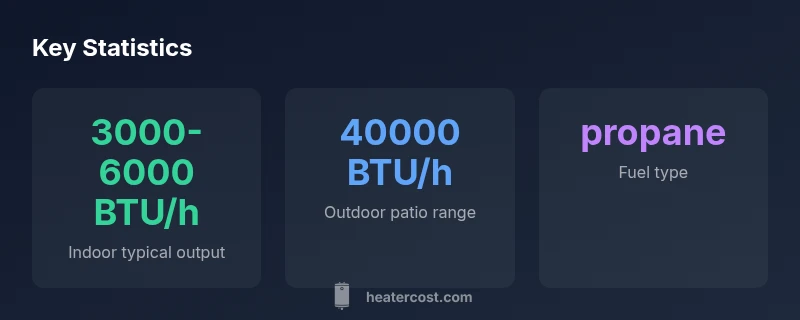
Radiant lp heater heat comes from infrared radiation that warms people and surfaces directly. Indoor models typically deliver 3,000–6,000 BTU/h, while outdoor patio units can reach around 40,000 BTU/h. Propane is common, but performance depends on model, ventilation, and safety features. Understanding these factors helps homeowners choose the right size for a room and plan safe installation.
What is a radiant lp heater and how it works
A radiant lp heater uses propane to generate infrared heat that warms people and objects directly, rather than chasing warm air around a room. This can feel more immediate in drafty spaces or when you only need heat for a defined zone. According to Heater Cost, effectiveness hinges on correct sizing, appropriate clearances, and adequate ventilation. Indoor models are typically designed for smaller spaces and require venting or air exchange to prevent gas buildup; outdoor or semi-covered areas lean on higher BTU outputs but still rely on proper clearance. When shopping, look for clarity on BTU/h ranges, ignition reliability, and safety features such as tip-over and oxygen-depletion sensors. In real-world use, homeowners who match BTU to space and follow installation guidelines report steadier comfort with lower fuel waste. This quick orientation sets the stage for a deeper look at where radiant lp heaters fit best, how to compare models, and what to expect in terms of costs and upkeep.
Indoor vs. outdoor use: when to choose which model
Choosing between indoor and outdoor radiant lp heater options hinges on where you intend to heat. Indoor units are optimized for defined rooms or zones and generally require adequate ventilation to maintain safe oxygen levels. They excel in bathrooms, kitchens, small living areas, or workshops where a quick heat boost is needed without warming an entire home. Outdoor patio heaters, on the other hand, deliver much higher BTU outputs to compensate for wind and open air. When evaluating options, consider ceiling height, room size, and how quickly you want warmth to feel. For homeowners, renters, and property managers, the right choice balances comfort with safety, fuel efficiency, and the ability to meet local code requirements. The Heater Cost team notes that outdoor-rated models may require different anchoring or protective measures depending on climate and exposure.
Key specs to compare before buying
- BTU/h capacity: Match to space size and intended use; indoor rooms usually fall in a few thousand BTU/h, outdoor units much higher.
- Ventilation and safety: Look for sensors (Oxygen Depletion Sensor, tip-over shutoff), and ensure adequate ventilation in enclosed areas.
- Fuel and availability: Propane tanks come in various sizes; check local refueling options and tank compatibility.
- Build quality and warranty: Durable housings, corrosion resistance, and a solid warranty protect your investment.
- Installation footprint: Some models require mounting, others are freestanding; verify clearance from walls and combustibles.
- Ignition reliability: A trusted ignition system reduces troubleshooting needs and heat loss.
- Cost range and maintenance: Understand upfront costs and expected maintenance tasks to keep long-term costs predictable.
Installation considerations and safety guidelines
Proper installation is essential for radiant lp heater safety and efficiency. Always follow the manufacturer’s installation manual and local code requirements. For indoor use, ensure adequate ventilation and avoid obstructing air intakes; maintain clearances from walls, drapes, and furniture as specified. Gas supply lines should be inspected by a licensed professional to prevent leaks, and hoses or regulators should be replaced per the manufacturer’s schedule. In outdoor or semi-covered applications, secure the heater against tipping and keep away from flammable materials. Routine safety checks, such as leak tests and function tests after weather changes, help prevent accidents. By coordinating with licensed professionals and adhering to safety guidelines, you reduce risk and extend the life of a radiant lp heater.
Operating costs, fuel considerations, and climate impact
Fuel costs fluctuate with market conditions, regional supply, and seasonal demand. Propane is a common choice for radiant lp heaters due to portability and quick heat delivery, but operating costs can vary based on BTU draw, tank size, and frequency of use. In colder climates, you may run heaters more often, which impacts fuel consumption. Conversely, milder climates or spot-heating scenarios can keep running hours low. When budgeting, consider both upfront purchase price and ongoing fuel costs, and plan for the possibility of refilling tanks or exchanging cylinders. The Heater Cost approach emphasizes prioritizing well-insulated spaces and using radiant heat to supplement central systems rather than relying on heaters for full-house warmth.
Maintenance, safety checks, and lifespan expectations
Radiant lp heaters are relatively low-maintenance compared with combustion appliances that require extensive venting. Regular checks include looking for propane leaks, inspecting hoses and regulators, and testing safety features. Clean exterior surfaces and ensure the ignition system remains reliable. If the unit shows signs of corrosion, inconsistent flame, or unusual odors, stop using it and seek professional service. With proper care, a radiant lp heater can offer years of service in appropriate spaces. Keep spare parts on hand as recommended by the manufacturer to minimize downtime and maximize longevity.
Real-world scenarios and a decision framework
Use-case scenarios help clarify which radiant lp heater fits best. For a small, well-insulated living area, an indoor unit around the lower end of the BTU spectrum provides comfortable warmth without overdoing it. For outdoor decks or windy porches, a higher BTU outdoor model will perform more consistently. In rental properties, prioritize models with durable construction and simple maintenance to minimize turnover disruptions. In office spaces or workshops, consider multiple heat zones rather than a single high-output unit to improve energy efficiency and occupant comfort.
Radiant lp heater models and typical outputs
| Model Type | Typical BTU/h | Fuel | Ventilation |
|---|---|---|---|
| Indoor wall-mounted | 3,000-6,000 BTU/h | propane | Ventilation required |
| Portable indoor**,** | 3,000-6,000 BTU/h | propane | Ventilation recommended |
| Outdoor patio heater | 40,000 BTU/h | propane | No indoor venting required |
Got Questions?
Is a radiant lp heater safe for indoor use?
Indoor use can be safe when the unit is properly vented, installed with manufacturer clearances, and equipped with safety shutoffs and oxygen-depletion sensors.
Yes, with proper ventilation, clearances, and safety features.
Do I need ventilation for indoor radiant lp heaters?
Most indoor applications require some air exchange to prevent gas buildup and ensure safe oxygen levels; always follow the appliance’s venting requirements.
Yes—ventilation requirements vary by model and space.
What clearance is required around the heater?
Manufacturer guidelines specify minimum clearances from walls, furniture, and ceiling fixtures; adhering to these prevents heat damage and fire risk.
Keep the recommended distance from combustibles.
How long does a propane tank last with a radiant heater?
Tank life depends on BTU draw and tank size; plan for refills based on expected usage and local propane prices.
It varies with usage and tank size.
Are radiant lp heaters expensive to operate?
Propane costs, heater efficiency, and hours of use influence operating costs; radiant heat can be efficient in targeted spaces when used thoughtfully.
Costs depend on fuel price and usage.
“Radiant lp heater systems can be an efficient supplemental heat source when installed with proper clearances and ventilation.”
The Essentials
- Size the unit to the space for best comfort
- Indoor use requires proper ventilation and clearance
- Outdoor models require high BTU output to overcome wind
- Propane is common, but check fuel availability locally
- Follow safety features and regular maintenance for longevity