Portable Food Heaters: Costs, Comparisons, and Practical Buying Guide
Explore how portable food heaters work, compare models, estimate energy costs, and decide what fits home, RV, or event use. Practical buying tips and safety guidance from Heater Cost.


Definition: A portable food heater is a compact, electric device designed to keep foods warm or reheat them safely when a full kitchen isn't available. Ranging from countertop warmers to buffet-style units, these devices rely on a heating element and thermostat to maintain safe temperatures. They offer flexible warming for leftovers, events, camping, or temporary setups without complex installation.
What is a portable food heater and how it works
A portable food heater is a compact, electric device designed to keep foods warm or to reheat them safely when a full kitchen isn't available. These units come in various sizes—from small plug-in warmers that sit on a countertop to larger buffet-style units intended for events. The core idea is simple: an electric heating element transfers heat to trays or dishes, while a thermostat and safety features regulate temperature to prevent scorching or dry-out. Many models use a water pan or steam method to maintain humidity, which helps preserve texture and flavor. Because it is portable, users can move it between rooms, car trunks, or outdoor gatherings without heavy installation work. For homeowners and renters alike, portable food heaters offer a practical middle ground between microwaves and built-in ovens, enabling safer, more consistent warming for leftovers, catered meals, or hot-dish service during parties. In practice, you’ll see wattage ranges that influence warming speed, power cords that determine placement flexibility, and compatibility with standard serving dishes you already own.
Common use cases and needs
People use portable food heaters in a wide range of settings: family meals at home, catering events, dorm rooms, RV trips, and classroom or office cafeterias. The most common needs are consistent warmth without drying, easy portability, and minimal installation effort. For event planners, a single unit that can keep multiple dishes warm over several hours can reduce staffing and delay. For homeowners, compact models fit in apartments where a full warming oven isn't practical. The best portable food heater balances size, power, and the number of warmers you need to cover your menu. If you routinely host large gatherings, consider units with larger trays and stacked configurations, or plan to mix several models to cover different dishes. Finally, check which dishes you already own are compatible with the unit’s insert pans and lids to avoid buying new vessels just to use the heater.
Key features to compare
When evaluating portable food heaters, focus on a few core features:
- Wattage and heating control: A wider wattage range offers faster warming but increases energy use. Look for adjustable thermostats or multiple heat settings.
- Pan compatibility and temperature uniformity: Ensure the unit accepts common pan sizes and that heat distributes evenly across the surface.
- Temperature range and humidity control: Some models include humidity features to reduce drying, which helps preserve texture.
- Safety features: Auto shut-off, overheating protection, and stable feet are essential for kitchens and events.
- Portability and ease of cleaning: Removable trays, dishwasher-safe components, and light weight improve daily use.
- Power source flexibility: Plug-in electric models are common, but some units use BBQ or car-adapter options for travel.
- Durability and warranty: Look for models with stainless-steel construction and at least a one-year warranty.
Safety and maintenance basics
Safety should guide every buying decision. Always follow the manufacturer’s instructions for setup and operation. Keep the heater on a stable, nonflammable surface away from water, flames, and clutter. Use only heat-safe serving dishes and keep cords out of walkways to prevent trips. Regular cleaning of removable trays and surfaces reduces residue buildup and makes sanitation easier. At least every few months, inspect cords and connectors for wear. If you notice overheating, unusual smells, or the unit won’t heat evenly, discontinue use and replace or service it. For renters and shared spaces, store the unit safely when not in use and avoid placing it under cabinets or near curtains.
Evaluating total cost of ownership
Upfront cost for portable food heaters can range widely based on size, material, and features, but you should also plan for operating costs and maintenance. Compare models by their total cost of ownership rather than upfront price alone. Energy consumption matters: models with humidity and precise temperature control typically use energy more efficiently than older, unstable designs. Consider replacement parts and the ease of cleaning—these affect maintenance costs over time. If you host infrequently, renting may be a cost-effective option; for frequent use, a durable stainless-steel model with a reliable warranty often pays back over years of service.
How to measure energy use and estimate costs
To estimate energy use, you can model consumption with a simple formula: daily energy use (kWh) = (Wattage/1000) × hours of operation. Multiply by your local electricity rate to estimate daily cost. For example, a 600 W heater used for 3 hours at a rate of $0.15 per kWh would cost about $0.27 per day. If you run it 5 days a week, monthly costs could range around $5–$10, depending on rate and usage. If you switch to a model with better temperature stability and humidity control, you can reduce hot spots and keep dishes warm with less overall energy. Always check the label for the actual wattage and compare it to similar units to ensure you're getting efficient performance.
Choosing for renters vs homeowners
Renters often need compact, plug-in models that fit small kitchens or dorm rooms, with easy storage and minimal installation. Homeowners buying for family meals or home catering can prioritize larger capacity and sturdier construction. In both cases, consider a model with good safety features and simple cleaning. Look for models that fit common dish sizes and come with dishwasher-safe parts to simplify routine sanitation. If you travel, check whether the heater can operate on standard outlets in the vehicle or campground outlets. In all scenarios, read reviews focusing on reliability and customer service.
Cleaning and sanitization considerations
Sanitation matters when warming food, so choose units with removable, dishwasher-safe trays and surfaces that resist staining and odors. Clean the unit after each use with mild soap and warm water, avoiding abrasive scrubs that could damage coatings. Replace or sanitize inserts regularly if you use the heater for different dishes. If the model includes humidity features, wipe water reservoirs and check seals to prevent mold. Store accessories in a dry place and away from heat sources when not in use. Proper maintenance extends the life of portable food heaters and keeps food safe for consumption.
Practical buying checklist
Use this quick checklist when shopping:
- Define primary use: home, travel, or events.
- Check wattage and temperature control range.
- Confirm pan compatibility and tray cleanability.
- Review safety features and warranty terms.
- Compare energy use and expected operating costs using a simple formula.
- Read user reviews and consider after-sales support.
- Assess storage space and portability relative to your kitchen or vehicle size.
- Ensure compatibility with your serving vessels and lids. This approach helps you pick a portable food heater that balances performance, safety, and cost.
Comparison of portable food heater types
| Model Type | Typical Use Case | Power Range |
|---|---|---|
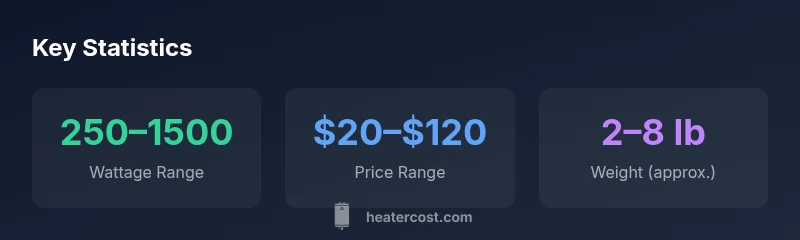
| Buffet warmer | Catering events | 400-900 W |
| Countertop portable warmer | Home use, dorms | 250-600 W |
| Heavy-duty buffet/server warmer | Catering, outdoor events | 800-1500 W |
Got Questions?
What is a portable food heater and how does it differ from a kitchen warming device?
A portable food heater is a compact, electricity-powered warmer designed to keep dishes hot or reheat them. It differs from built-in kitchen warming devices by being freestanding, requiring no major installation, and offering flexibility for temporary or mobile use.
A portable food heater is a freestanding warmer that keeps dishes hot or reheats them without installation. It’s ideal for temporary setups and travel.
How much energy does a portable food heater use?
Energy use depends on wattage and run time. Higher wattage yields faster warming but increases consumption. Use the simple watts-to-kWh formula to estimate costs and compare models.
Energy use depends on wattage and how long you run it. Higher wattage means more energy used, so compare models by efficiency.
Are portable food heaters safe to use around groceries?
Yes, when used according to instructions. Keep liquids away from electrical components, use heat-safe vessels, and ensure proper ventilation. Regular cleaning reduces contamination risk.
Yes, if you follow the manual and keep the unit away from liquids and clutter. Clean regularly.
Can I use a portable food heater outdoors?
Some models are designed for outdoor use with stable surfaces and weather-appropriate operation. Check the product specs for outdoor compatibility and ensure a safe power source.
Some are suitable for outdoors if you have a stable surface and appropriate power. Check specs first.
What maintenance is required for these devices?
Regular cleaning of removable trays, inspecting cords, and replacing worn parts extend life. Do not immerse electrical components in water; follow the manufacturer’s cleaning guidance.
Clean removable parts, inspect cords, and replace worn parts. Avoid soaking electrical parts.
What warranty should I look for?
Aim for at least a one-year warranty covering heating elements and structural parts. Longer coverage can provide peace of mind for frequent use.
Look for a minimum one-year warranty and check what's covered.
“Portable food heaters offer flexible warming without a full kitchen. When chosen with the right wattage and safety features, they enable reliable meal warming in homes, offices, and events.”
The Essentials
- Define your primary use and size needs
- Check wattage for energy efficiency
- Factor safety features and cleaning ease
- Estimate total costs including energy and maintenance
- Renters should prioritize compact, apartment-friendly models