Indoor Pellet Heater Guide: Costs, Setup, and Safety
Learn how indoor pellet heaters work, what to consider when buying, venting and installation requirements, costs, and maintenance tips to decide if pellet heating fits your space.


Indoor pellet heaters can be a practical option for supplemental heat, provided they are installed with approved venting and local permits. They’re not universal for all spaces, so you must ensure certified installation, proper clearances, and continuous CO monitoring. Efficiency and operating costs depend on model, pellets, and how you use the unit.
How indoor pellet heaters fit into residential heating
Pellet heaters designed for indoor use are compact stoves that burn compressed wood pellets. They are intended to provide supplemental heat rather than completely replacing a central furnace. When used correctly, they can add warmth to living rooms, bedrooms, or small apartments while reducing reliance on propane or electric resistance heat. The advantage is a steady heat source with more consistent comfort than many electric heaters, and pellets generally burn cleaner than cordwood. The Heater Cost team notes that successful indoor pellet heating depends on proper placement, a dedicated electrical supply, and an exhaust path that leads outside safely. In practice, you’ll want to locate the unit on a stable, noncombustible surface with a clear path to an exterior vent or chimney. In larger homes or damp climates, you may use the pellet heater indoors as a supplemental zone heater rather than the primary source. You’ll also need a dry, organized pellet storage area to avoid moisture damage and a simple maintenance routine to keep the burn clean. With correct setup, indoor pellet heating can be a practical part of a multi-source heating strategy: pellet heater indoors plus a primary furnace for cold snaps.
Sizing and performance: getting the right output
To maximize comfort with a pellet heater indoors, you must size the unit for the space. Manufacturers typically rate indoor pellet heaters in kilowatts or BTUs, and room size is a primary driver of heat needs. A 15–25 square meter room usually benefits from a smaller unit, while larger living areas may require mid-range output. Remember that insulation, window exposure, and ceiling height influence required heat, so don’t rely on nameplate numbers alone. In practical terms, a pellet heater indoors designed for your area should warm the space without overheating it. Pairing the unit with a smart thermostat or a programmable timer helps avoid energy waste. Operational efficiency tends to improve when combustion air is clean, pellets are dry, and the unit is routinely cleaned. Expect some fluctuation in performance between hardwood- versus softwood-based pellets, and during shoulder seasons where outside temperatures swing widely. If you are unsure, consult a qualified installer who can perform a quick room-by-room heat load calculation and translate that into a safe, effective indoor pellet heating setup.
Venting, safety, and code considerations
Indoor pellet heaters require venting to move combustion byproducts outside. This can be through an approved venting system, a masonry chimney, or a purpose-built vent pipe depending on local codes. Improper venting is a leading cause of backdrafts and CO buildup. Installers should verify clearance from combustibles, typically 3–6 feet from walls and furniture, and ensure a dedicated electrical circuit with a proper outlet. CO detectors near the living area and in bedrooms are essential for early warning, and many jurisdictions require a sealed, clean exhaust path. Keep the vent system clean and free of obstructions; damp pellets or misfired flames increase creosote formation and risk of chimney fire. If you rent, check your lease’s restrictions on pellet heaters and ensure landlord approval for venting through existing channels. Overall, pellet heater indoors can be safe when installed to code and maintained with routine inspections.
Installation options: freestanding vs insert
Freestanding indoor pellet heaters resemble compact stoves and can be moved if you relocate. They often require a noncombustible hearth, proper clearance, and a vent adapter to the exterior. Inserts are designed to fit into an existing fireplace opening and can give a more integrated look, but installation tends to be more involved, requiring professional assistance to seal the fireplace and connect venting. In both cases, you should verify clearances around furniture, flooring, and overhead ceilings, and confirm the unit’s exhaust meets local regulations. Budget for a certified installation, plus possible electrical upgrades and vent pipe components, which can affect total cost. In the end, the choice depends on room layout, aesthetic preference, and whether you already have a chimney or dedicated vent path. A proper install makes the pellet heater indoor setup safe, efficient, and visually appealing.
Operating costs, pellet quality, and efficiency metrics
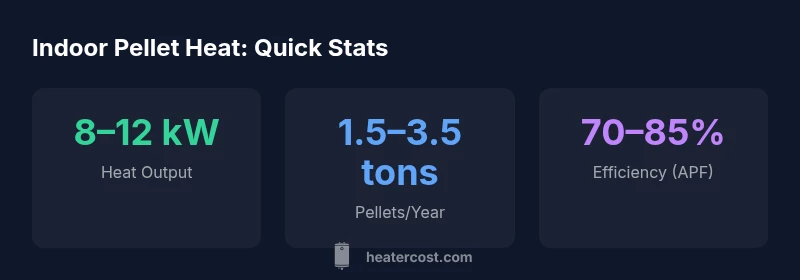
Operational costs for a pellet heater indoors are driven by fuel price, heat output, and efficiency. Pellets vary in price and quality; higher moisture pellets burn less efficiently and produce more ash, raising maintenance costs, while dry, uniformly sized pellets tend to yield steadier heat. Efficiency is often discussed as APF (annual fuel utilization efficiency) or similar metrics; indoor pellet heaters typically offer a broad efficiency range depending on model and maintenance, with real-world results influenced by airflow and cleaning frequency. When evaluating options, calculate roughly how many pounds of pellets you’d burn per heating season and multiply by current pellet prices to estimate annual fuel costs. Remember to factor in electricity use for fans and controls. Keeping the unit clean and performing regular maintenance can maintain efficiency and reduce the cost per BTU, making your pellet heater indoors a cost-effective choice for moderate climates and shoulder seasons.
Maintenance, cleaning, and troubleshooting
Regular maintenance is essential for reliability. At minimum, plan for ash removal, burner head inspection, and flue cleaning according to the manufacturer’s schedule. Check gaskets and doors for air leaks that can undermine efficiency; replace worn seals as needed. Use dry pellets and store them in a dry location to minimize moisture-related issues. If you notice unusual smoke color, excessive ash, or a drafty vent, consult the manual and consider professional service. Keep the area around the pellet heater indoors clear of dust, pet hair, and flammable clutter. Install a CO detector in occupied spaces and test the device monthly. When troubleshooting, document symptoms, check for pellet quality, verify venting, and check electrical connections. With a proactive maintenance routine, a pellet heater indoors can deliver dependable warmth with fewer disruptions.
Real-world scenarios: selecting pellets and room placement
Think about how you use space: a small living room may benefit from a compact unit placed away from direct heat-sensitive furnishings, while a larger family room may justify a mid-range model with a bigger heat plume. Pellets with low moisture content tend to burn cleaner and produce less creosote; wooden pellets from reputable brands typically meet standard size and density guidelines. Place the stove on a noncombustible base with a clear zone around it to avoid accidental contact. If your home has high ceilings or poor insulation, you may need a secondary heat source in peak winter. For renters, ensure your landlord approves venting to the exterior and that you have a reliable maintenance plan in place. Pellets prices can fluctuate, so build a budget cushion for price swings. Overall, a well-chosen pellet heater indoors can deliver comfortable warmth while remaining economical and relatively simple to operate.
Final buying checklist and next steps
Before purchasing a pellet heater indoors, list the space to heat, required heat output, and ventilation options. Compare at least three models on efficiency, pellet type support, and maintenance ease. Confirm installation requirements with a licensed professional and check local permits. Estimate ongoing pellet costs, electricity use, and maintenance time. Finally, gather safety gear such as CO detectors and fire extinguishers, and create a simple routine for pellet care. With this approach, you can confidently move forward with indoor pellet heating that aligns with your budget and climate.
Indoor pellet heater options comparison
| Option | Heat Output Range | Typical Installation Complexity |
|---|---|---|
| Free-Standing Pellet Stove | 8-12 kW | Medium |
| Pellet Stove Insert (Into Existing Fireplace) | 6-9 kW | High |
| Pellet Fireplace Console/Unit | 4-8 kW | Low |
Got Questions?
Can you install a pellet heater indoors?
Yes, indoor installation is possible when venting is properly routed to the exterior and local codes are followed. A licensed installer can confirm feasibility for your space.
Yes, you can install indoors if venting and local codes are met, and a licensed installer can confirm feasibility.
What maintenance does an indoor pellet heater require?
Regular cleaning, ash removal, and periodic checks of seals, vents, and pellets are essential. Schedule an annual professional inspection for safety and efficiency.
Regular cleaning and pellet checks are essential; an annual professional inspection is highly recommended.
Are there safety concerns with pellet heaters indoors?
Yes—ensure proper ventilation, CO detectors in living spaces, and adequate clearance from combustibles. Follow manufacturer and local code guidelines to minimize risk.
Yes, install CO detectors and maintain proper venting and clearances to minimize risk.
How much does it cost to operate an indoor pellet heater?
Costs depend on pellet price, unit efficiency, and how often you use it. Estimate yearly fuel by multiplying expected pellet use by local pellet prices and add electricity for fans.
Costs vary with pellets and usage; estimate by expected pellet use and local prices.
What pellet quality matters most?
Choose pellets with low moisture content, uniform size, and certified burn quality to reduce ash and improve heat consistency.
Opt for low-moisture, uniform pellets from reputable brands for cleaner burns.
Is an indoor pellet heater a substitute for a furnace?
Typically, indoor pellet heaters are a supplemental heat source. Most homes still rely on a central furnace for primary heating, especially in cold climates.
Usually a supplement, not a full replacement for a furnace.
“Indoor pellet heating can be economical and comfortable when installed correctly and maintained regularly.”
The Essentials
- Assess space heating needs before buying
- Prioritize correct venting and CO monitoring
- Compare efficiency and pellet costs to estimate yearly fuel
- Plan for pellet storage and maintenance time
- Consult a licensed installer for safe, code-compliant setup