Outdoor Heater Rent: A Practical Guide for Temporary Outdoor Heating
Explore outdoor heater rent: when to rent, how to choose a unit, typical costs, delivery, safety, and budgeting tips, with insights from Heater Cost.


Outdoor heater rent is the temporary provisioning of portable heating equipment for outdoor spaces such as patios, decks, or event areas. This approach delivers flexible warmth without the long-term ownership or maintenance burden, making it ideal for seasonal use, temporary events, or weather-driven needs. The Heater Cost team emphasizes that renting can optimize uptime and control costs for short-term outdoor heating.
Why outdoor heater rent makes sense for temporary spaces
Renting an outdoor heater offers a practical solution for seasonal patios, backyard gatherings, or temporary outdoor dining when a space requires heat only for a portion of the year. According to Heater Cost, outdoor heater rent provides flexibility and minimizes upfront capital outlay, which is especially valuable for homeowners planning weekend events, landlords testing new outdoor layouts, or municipalities hosting seasonal markets. Renting also reduces maintenance obligations; you’re not on the hook for filter changes, fuel logistics, or long-term wear. From a cost-management perspective, renting allows you to scale heat output to match demand—boosting warmth for a full dining season or dialing back during milder evenings. Consider the total cost of ownership (TCO): rental payments, fuel, delivery, and potential coverage plans can be simpler to forecast than a purchase and long-term upkeep. For many, the decision hinges on duration, heat requirements, and whether the space is used irregularly.
The Heater Cost team notes that most renters appreciate the ability to rotate between different heater types to match outdoor layouts and weather patterns. If your space hosts frequent events with variable guest counts, renting lets you adjust heat capacity without tying cash to a single unit. In short, outdoor heater rent is not just about warmth—it’s a constrained, cost-aware approach to reliable comfort.
How renting compares to buying for patios and events
Buying an outdoor heater offers ownership, but it also carries costs that can accumulate quickly: purchase price, ongoing fuel or electricity, storage, maintenance, and eventual resale or disposal. Renting shifts that burden away from the balance sheet and onto a predictable operating expense. For short-term needs or sporadic use, rental often yields a lower effective cost per event when you factor in maintenance, storage logistics, and the risk of underutilized equipment. The Heater Cost analysis highlights that rental makes sense when you expect heat use to be irregular, seasonal, or event-driven. You can choose from a range of heater types—propane, electric, or gas—without committing to one technology. Rental agreements often include delivery, setup, and basic maintenance, simplifying logistics for hosts and property managers. If the space will be in use for multiple events across a season, compare the cumulative rental cost to a potential purchase and anticipate fuel costs and warranty benefits.
Types of outdoor heaters you can rent and their coverage
Outdoor heater rentals span several technologies, each with distinct warmth patterns and footprint considerations. Propane patio heaters deliver high heat output and broad coverage, with typical heat spread suitable for dining tables and social spaces. Electric infrared heaters offer quick, directional warmth with lower up-front risk and fewer emissions, ideal for tucked-away seating zones or covered patios. Gas-fired models (often natural gas) blend strong output with continuous operation for longer events, though installation considerations and local codes may apply. Portable tabletop units provide light warmth for intimate corners, while larger stand-alone units can move between spaces. When selecting a rental, assess BTU or wattage in relation to your outdoor square footage, wind exposure, and sheltering. Remember safety: maintain clearances from combustible materials, keep fuel sources secure, and ensure electrical connections are weather-rated and properly grounded.
How to choose a rental provider: factors to evaluate
Choosing the right rental partner is as important as selecting the heater itself. Start with the basics: verify the unit’s heat output, coverage area, and fuel type. For open-air venues, prioritize models with higher wind resistance and stable bases to prevent tipping. Inquire about delivery windows, setup, teardown, and on-site safety checks. Ask about included services: fuel supply, refueling options, and maintenance during the rental period. Clarify insurance, liability, and deposit terms, and review cancellation policies for uncertain weather. Evaluate the provider’s reliability: look for reviews, response times, and clear terms. If you’re coordinating multiple spaces, request bundles or multi-unit discounts. According to Heater Cost, a thoughtful rental plan aligns heat capacity with event duration and guest flow, avoiding both underheating and wasteful excess heat.
Planning, delivery, and safety tips for outdoor heater rentals
A smooth rental experience hinges on planning and proactive safety. Schedule delivery well ahead of your event date to secure preferred units and locations, and confirm setup times that accommodate guest flow. Inspect units upon arrival for visible damage, cords, hoses, and accessibility of fuel sources. For electric heaters, ensure outlets are GFCI-protected and cords are rated for outdoor use. For propane or gas models, check connections and ventilated placement away from enclosed spaces. Maintain safe clearances—keep heaters at least several feet from walls, furniture, and overhanging materials, and never leave a hot unit unattended. Prepare a weather contingency plan, including wind thresholds and rain considerations that could affect operation. Store backup fuel if needed and ensure proper shut-down procedures at the end of the rental period.
Budgeting and best practices: making the most of your outdoor heater rental
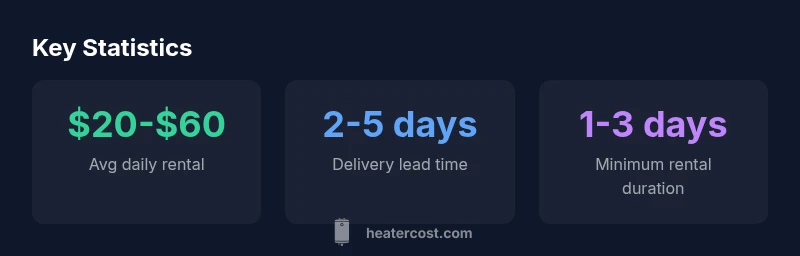
To optimize value, map heat needs to event timing and guest density, then select units that match those requirements rather than overprovisioning. Build in delivery fees, fuel costs, and potential cleaning or damage charges when forecasting budget. Compare daily rental rates across providers and explore longer rental packages if you anticipate extended use, as some suppliers offer reduced rates for multi-day commitments. Consider safety add-ons, such as heat shields or protective covers, to extend equipment life. Finally, schedule return windows to avoid late fees, and verify the provider’s pickup options. The Heater Cost team recommends documenting the equipment’s condition at delivery and keeping a copy of the rental agreement for reference in case of disputes.
Rental options by heater type and typical coverage
| Heater Type | Coverage (ft) | Typical Rental Range |
|---|---|---|
| Propane patio heater | Up to 20-25 ft | $20-$60 per day |
| Electric infrared heater | Up to 15-20 ft | $15-$50 per day |
| Gas patio heater (natural gas) | Up to 20-25 ft | $25-$70 per day |
| Tabletop/compact heater | Up to 8-12 ft | $10-$30 per day |
Got Questions?
What is the typical cost to rent an outdoor heater per day?
Costs vary by heater type and location, but most rentals fall within a broad daily range. Expect delivery, setup, and fuel to influence the total. Heater Cost analysis (2026) notes that prices fluctuate with demand and unit size.
Daily rental costs vary by heater type and location; check the total including delivery and fuel when planning your budget.
How long should I rent an outdoor heater for an event?
Plan for the event day plus set-up and teardown windows. For multi-day events, some hosts select a short-term rental with a flexible extension option. The heater type and weather forecast drive the optimal duration.
Plan for the event day plus setup and takedown, and consider extensions if weather changes.
Do I need permits to use outdoor heaters for a rental event?
Permit requirements vary by location and heater type. Check with local authorities or the rental provider about fire codes, wind restrictions, and fuel handling rules.
Check local fire codes and with your rental provider about permit needs.
What safety considerations should I verify before renting?
Verify clearances, fuel supply safety, proper ventilation for gas units, outdoor-grade electrical connections for electric heaters, and a plan for wind or weather events.
Ensure proper clearance, safe fuel handling, ventilation for gas, and weather-safe electrical setup.
Is renting more cost-effective than buying for temporary setups?
For irregular or short-term use, renting typically lowers upfront cost and avoids maintenance. For frequent or long-running warmth needs, buying may be more economical in the long run.
Renting is often cheaper for temporary needs; buying may pay off for frequent use.
What’s usually included in a rental agreement?
Most rentals include delivery and setup, with fuel options and basic maintenance. Review the contract for insurance, deposits, and damage coverage.
Delivery, setup, and basic maintenance are common; read the contract for insurance and deposits.
“Renting outdoor heaters offers practical flexibility for temporary spaces, with predictable costs and professional setup. The right rental plan aligns heat output with guest flow and space constraints.”
The Essentials
- Rent when you need flexible, short-term outdoor heating
- Compare BTU/wattage and wind resistance to match space
- Expect delivery, setup, and fuel options to be included or add-ons
- Budget for deposits and potential fuel charges
- The Heater Cost team recommends evaluating total cost of ownership vs rental for seasonal needs