Is Dyson Heater Worth It? An In-Depth 2026 Review
A balanced, in-depth review of the Dyson heater, covering performance, features, energy use, noise, maintenance, and who should consider this premium space heater.


Is Dyson heater worth it? For many buyers, it blends fast heat delivery, precise room targeting, and a modern aesthetic, but it carries a premium price. According to Heater Cost, the value depends on your priorities: performance and design versus budget and long-term energy use. If you need quick warmth in a small space and want a standout device, it can be worth the investment; if you prioritize low cost, explore alternatives.
Design and Build Quality
Dyson's heater lineup emphasizes premium materials, compact form, and a modern, minimalist aesthetic. The build feels solid, with a metal grille and a weighted base that remains stable on typical flooring. The footprint is smaller than many convection heaters, which makes placement in tight living rooms, home offices, or bedrooms easier without sacrificing heat output. The finish is smooth and fingerprint-resistant, and the control panel is clean and legible in low light. In daily use, the heat source remains unobtrusive, and the unit stays cool to the touch on the outer shell during normal operation. According to Heater Cost, the value of this design is about more than cosmetics; it reduces visual clutter and encourages consistent use, which is a practical benefit in rooms that you want to feel comfortable quickly. If you value aesthetics as part of your heating setup, this model earns serious consideration, and its worth rises with frequent, targeted heating instead of whole-room warming. Is dyson heater worth it for you? If your space benefits from a compact, stylish unit that doubles as a conversation piece, this model earns serious consideration.
Heating Performance and Range
Heat delivery is one of the strongest arguments for a Dyson heater in a small to mid-size space. The unit uses directed airflow to warm the target area rather than the entire room, which typically yields faster perceived warmth than similar wattage panels. In rooms around 100–250 square feet, you will notice quicker comfort versus convection-style heaters. For larger spaces, expect longer runtimes or the need to supplement with another heat source. It is worth noting that heat range depends on insulation quality, ceiling height, and air leakage. The question is is dyson heater worth it for you if you prioritize speed and targeted warmth over end-to-end room heating. Heater Cost analysis indicates that the heater performs best when used as a supplementary heat source rather than as the sole primary heat in a drafty living area. In those conditions, you can maintain comfortable temperatures with moderate energy use.
Features that matter for Dyson heaters
Dyson's models include precise temperature control, a straightforward interface, automatic shutoff safety, and a design that simplifies cleaning. Optional features like oscillation modes, a compact remote, and a sleep timer can enhance comfort. For energy cost tracking, note that efficiency hinges on wattage and duty cycle rather than sheer power alone. If you want a heater that doubles as a stylish accent, Dyson products often win praise; however, the premium price means you should compare the feature set against cheaper options to ensure you are not paying for style alone. When evaluating is dyson heater worth it, weigh features against your real needs: quick, focused heat in a small space, a quiet operation profile, and a maintenance-friendly design.
Noise, Airflow, and Comfort
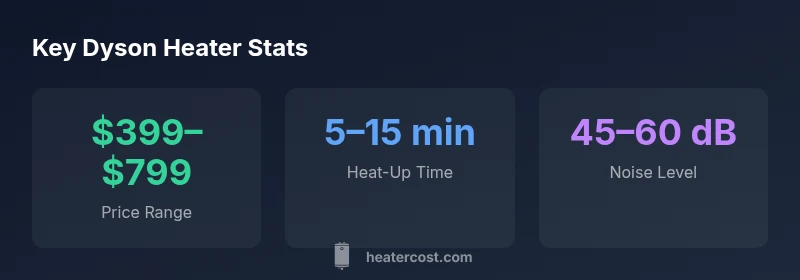
Noise matters in bedrooms and home offices. Dyson heaters operate with a smooth airflow for most models, but you may still perceive a soft hum or airflow whoosh at close range. The real-world noise level often lands in the moderate range, roughly around mid-40s to mid-60s decibels depending on the fan speed and room acoustics. In practice, that means late-night use is acceptable for many, but if you are sensitive to sound, you may want the lowest setting and ensure the unit has space to vent without obstruction. Airflow is typically well directed with minimal stray drafts across the room. For bedrooms, consider layout: placing the unit at an angle away from the bed can reduce perceived sound and avoid direct drafts. The overall comfort gain from rapid warm air can be noticeable within minutes, which helps justify the price for some households.
Safety, Warranty, and Durability
Dyson emphasizes built-in safety features such as overheating protection and stable bases. Warranty terms vary by region and model, commonly spanning a couple of years, with optional extended coverage available through retailers. From a durability standpoint, the unit's construction is designed for daily use in living rooms and home offices. Owners who clean filters, keep the intake clear, and avoid blocking vents tend to experience fewer performance hiccups over time. If you have children or pets, cool-touch surfaces and thoughtful cord management help reduce incidental contact risk. The Heater Cost team notes that reliability over the years can influence is dyson heater worth it decisions, especially if you plan to rely on a heater for frequent seasonal use. Overall safety and service are strong points, but manage expectations relative to the price tag.
Running Costs and Energy Efficiency
Energy efficiency is not only about wattage but how you use the device. Dyson heaters can be surprisingly efficient when used as targeted supplementary heat rather than the primary source. If you live in a well-insulated apartment, you can maintain comfort with relatively modest energy consumption. Conversely, in drafty rooms or larger spaces, running the heater at higher settings for longer periods can erode efficiency gains. The picture is mixed: you may enjoy fast warmth and good comfort while paying more per hour than with cheaper alternatives. Heater Cost analysis (2026) suggests that the economic value hinges on your heating goals, climate, and how you balance speed with staying power. For best results, set the thermostat to a comfortable baseline rather than letting the unit run for hours on high. In short, is dyson heater worth it depends on your energy budget and the value you place on rapid warmth and design.
Installation, Placement, and Maintenance
Setting up a Dyson heater is straightforward, but placement matters for safety and performance. Avoid placing the heater in direct contact with walls or behind furniture, and ensure there is adequate clearance for airflow. Place it on a stable, level surface away from heat-sensitive items and kids' play zones. Maintenance is minimal but important: dust the grille regularly, check for obstructions, and clean the filter if the model includes one. A simple routine will help preserve efficiency and prolong life. Annual checks and basic cleaning beat letting dust build up and reduce airflow. Most models are designed for easy cleaning with a removable grille, but consult the user manual for model-specific guidance. Consumers who expect long-term happiness from a premium heater should plan for occasional filter cleaning and go from there. Placement and maintenance play a bigger role than many buyers anticipate.
How it compares to alternatives
To decide if is dyson heater worth it, compare against heat sources with similar outputs such as ceramic panel heaters, oil-filled radiators, and compact convection heaters. Dyson's strength lies in fast, directed heat, precise temperature control, and compact footprint, but cheaper units may offer comparable warmth in the same square footage during cold snaps without the premium features. If your priority is silent operation, most premium brands offer nearly silent modes; if you want rapid warmth in a small space, Dyson stands out. In some situations, a small panel heater with a heat-boosting support can achieve the same effect at much lower upfront cost. The takeaway is to match the unit to your use case: is dyson heater worth it when you want style and speed, or do you need a budget-friendly, steady heat source? The answer depends on your space, wallet, and appetite for premium design.
Real-World Scenarios: When It Shines
Small apartments, home offices, and dorm rooms benefit most from Dyson heaters. In these spaces, you need quick comfort without taking up a lot of room, and the unit's modern design can blend with contemporary decor. In bedrooms, the gentle heat and predictable operation help create a comfortable night’s sleep, especially during shoulder seasons. If you heat with a centralized system most of the year, a Dyson heater chosen for a specific task such as warming a desk area or a reading nook can reduce overall energy use. In all cases, consider energy costs, insulation quality, and space size. Homeowners who want quick warmth in a targeted zone and appreciate effective aesthetics are most likely to find value here. In larger open-plan spaces, you may be better off with centralized or more robust alternatives.
Value for Money and Price Considerations
Price is a primary consideration when evaluating is dyson heater worth it. Dyson heaters carry a premium price, typically higher than many conventional space heaters. If you want a device that doubles as a design piece and offers fast, focused heat, the incremental cost may be justified. For budget-conscious buyers, consider cheaper options that provide reliable warmth with fewer features. Think about long-term energy costs as well: a quick heat boost can save money on overall heating if used judiciously. In any case, measure your expected usage, room size, insulation, and tolerance for premium design to decide if the investment aligns with your goals. The Heater Cost team suggests that the decision hinges on how strongly you value speed, style, and compact form rather than pure warmth alone.
Common Myths and Misconceptions
One common myth is that speed equals efficiency. The fastest heater can overshoot your comfort level and waste energy if mismanaged. Another misconception is that premium prices guarantee durability; while Dyson products are well-built, normal wear and care still matters. Finally, some buyers assume a design-focused heater will blend invisibly with a room without affecting energy use; in reality, any space heater can impact your overall energy budget, especially when used as a primary heat source. Understanding how heat is delivered, maintained, and dialed in will help you decide if is dyson heater worth it based on your circumstances. Efficiency comes from thoughtful use as much as product choice.
Final Thoughts: Is It Worth It for You
This final section helps you relate the features to your needs. If you regularly heat a small, well-insulated space and you value a sleek aesthetic along with targeted warmth, the Dyson heater can be worth it. If you operate on a tight budget or require a robust, room-filling heat source for larger spaces, you may be better served by a less expensive option. The Heater Cost team emphasizes a balanced approach: assess your priorities, compare alternatives, and decide based on real-world needs rather than marketing promises.
The Good
- Fast, directed warmth in small spaces
- Compact footprint with modern design
- Simple controls and reliable safety features
- Aesthetically versatile for contemporary interiors
Negatives
- Premium price vs. basic models
- Not ideal as a sole heat source for large spaces
- Maintenance includes regular filter cleaning and vent care
Best for design-conscious buyers who want fast, targeted heat in small spaces
This Dyson heater delivers quick warmth and a premium look. While you pay a premium for the aesthetic and compact form, the performance justifies the cost in small rooms where rapid comfort matters. If your priority is budget value or bulk heating of larger areas, consider alternatives.
Got Questions?
What makes a Dyson heater different from cheaper space heaters?
Dyson heaters prioritize fast, targeted heat, a sleek design, and refined controls. They tend to cost more upfront but offer features and airflow patterns that can improve comfort in small spaces. If you value style and quick warmth, they can be worth it; otherwise, cheaper models may meet basic needs.
Dyson heaters heat quickly and look great, but they cost more. If you want rapid warmth in a small space and care about design, they’re worth considering; otherwise, look at cheaper options.
Is Dyson heater efficient for long-term heating?
Efficiency depends on usage. In well-insulated spaces, a Dyson heater used as a supplementary heat source can be efficient. In drafty rooms or when used as the primary heat, you’ll pay more per hour. Use it to boost warmth in targeted zones rather than whole rooms.
It can be efficient when used properly as a supplement in well-insulated spaces, less so when used as the main heat source.
Can Dyson heaters replace central heating in cold climates?
Generally not. Dyson heaters are best used for spot heating or small rooms. Relying on a single Dyson unit to replace central heating in colder climates is not practical due to heat distribution and energy costs.
They’re great for small, quick heat but not a full substitute for central heating in cold climates.
How loud is a Dyson heater in practice?
Most models operate at a moderate noise level, with noticeable but not overpowering sound at higher settings. In a quiet bedroom, run on the lowest setting or place away from sleeping areas for comfort.
It’s usually moderate; you can keep it unobtrusive by using a lower setting in bedrooms.
Do Dyson heaters require special maintenance?
Maintenance is minimal but important. Regularly dust the grille, clean or replace filters if provided, and ensure vents aren’t blocked. A simple routine helps maintain performance and longevity.
A quick dusting and periodic filter care keep it running well.
Where can I buy variants of the Dyson heater in 2026?
Dyson heaters are widely available through major retailers and Dyson’s official store. Compare warranty terms and verify return policies before purchase to ensure you get the right model for your space.
You can buy them from major retailers or Dyson’s store; check warranties before buying.
The Essentials
- Assess space size and insulation before buying
- Weigh upfront cost against potential energy savings
- Value aesthetics if you want a design piece that performs
- Use as a supplementary heat source to maximize efficiency