How to Exit a Water Heater Rental: A Step-by-Step Guide
Learn to exit your water heater rental with confidence. This step-by-step guide covers contract review, cost comparisons, negotiation, and a smooth switch to ownership for homeowners and property managers.


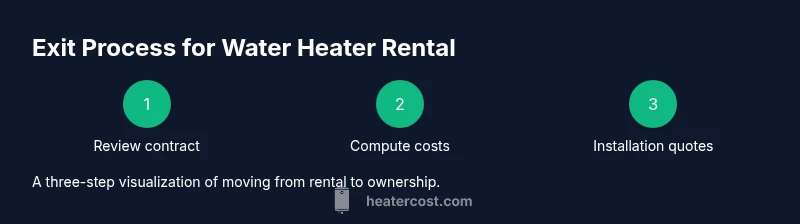
Ready to stop paying for a water heater rental? This guide shows you how to exit the agreement, evaluate buyout options, and switch to owning a new or used unit. You’ll learn how to read your contract, compare costs, and plan a smooth transition with minimal downtime. This quick answer gives you the roadmap, while the full article dives into templates, timelines, and negotiation tactics.
Why readers want to exit water heater rental
According to Heater Cost, many households pay a premium for rental programs that end up costing more over time than owning. Exiting a rental can save you money, increase control over maintenance, and allow you to choose a more energy-efficient model. This section outlines why switching from a rental to ownership often makes financial and practical sense, especially when you plan to stay in your home for several years. We’ll cover cost considerations, risk factors, and the steps you should take to prepare for a clean transition. Key ideas include comparing total cost of ownership, looking beyond monthly payments, and recognizing that warranties, incentives, and installation costs can shift the balance in favor of ownership for many households.
Understanding your rental contract
Rental contracts vary widely in length, fees, and responsibilities. Some programs include routine maintenance and repairs, while others transfer maintenance costs to you after a set period. Start by locating the termination or buyout clause, the required notice period, and any early termination penalties. If your contract lacks a clear buyout term, note any references to buyout price or purchase option and request a written quote. Pay attention to how equipment ownership transfers at the end of the rental, who is responsible for disposal or recycling, and whether there are any transfer fees. This clarity reduces surprises when you move toward ownership.
Calculating true ownership costs vs rental
To decide whether buying is right, you need apples-to-apples cost comparisons. List all rental payments over the term, but also estimate purchase price, installation, and ongoing maintenance. Include potential energy savings from a more efficient model, and consider the lifespan of the unit. Some owners recoup costs through energy rebates or tax incentives. Keep in mind that owning a water heater can shift warranty responsibility to you, which may affect service costs. Heater Cost's framework emphasizes long-term value over short-term monthly savings, especially for households planning to remain in the home for 5-15 years.
Exit paths: buyout, transfer, or cancellation
There are usually multiple routes to exit a water heater rental. A buyout finalizes ownership once you pay the stated amount, while a transfer simply moves the rental obligation to a new occupant or property. Cancellation ends the contract but may require returning the equipment and paying fees. Each path has different timing, fees, and process steps, so compare all options. If you plan to stay, buyout or transfer often makes the most sense; if you’re moving soon, cancellation might be preferable to avoid longer commitments.
How to negotiate favorable terms
Negotiation often yields better buyout terms, waived fees, or credits toward installation. Start by documenting your preferred exit path and your cost analysis. Ask for a reduced buyout price, extended grace periods, or a pro-rated termination fee. Be prepared to present competing quotes from local installers or other energy providers to leverage concessions. Keep communications professional and anchored in numbers—contracts respond to clear, well-supported requests rather than emotional appeals. Heater Cost notes that most providers respond positively when customers show a credible ownership plan.
Planning the installation of a purchased water heater
Choose between tanked and tankless models based on usage, space, and energy goals. Obtain at least two installation quotes that include permits, venting (if required), and a tank sizing calculation. Verify that the installer is licensed and insured and that the unit is compatible with your home’s existing piping and electrical or gas supply. Schedule utility shutoffs or inspections as needed and coordinate with your water utility for billing changes. Proper planning reduces downtime and ensures a clean transition from rental to ownership.
Permits, safety, and code considerations
Switching to ownership may trigger local permits or safety inspections, especially for gas or high-capacity electric heaters. Check your city or county building department requirements early, and factor permit fees into your budget. A licensed installer should handle gas connections, venting, and electrical work to meet code. Keep a copy of permit numbers and inspection reports for your records and future maintenance. Failing to secure the proper permits can lead to fines or insurance gaps, so don’t skip this step.
Managing the old equipment and final paperwork
Return or remove the rental unit as required by your contract, arrange for pickup, and document the return with receipts or photos. Collect any warranty documents or service records related to the rental so you can pass them on to the new owner or installer if applicable. Update your lease or ownership records and ensure your utility account reflects the new ownership status. Retain all final invoices and the retrofit paperwork for future maintenance or resale discussions.
Timing the exit to minimize downtime
One of the biggest pains is a gap between canceling the rental and having a functioning water heater installed. Build a transition window with your installer that aligns with the end of your rental term or the date you need hot water again. If possible, schedule installation during off-peak times to reduce price quotes and ensure a smoother service transfer. Prepare temporary hot water options only if necessary, and coordinate leak prevention during the swap.
Financial implications: incentives, warranties, and taxes
Ownership can unlock energy rebates, tax credits, and utility incentives, depending on your local laws. Review current programs for energy efficiency upgrades and water heaters to maximize any savings. Be aware that warranties on the unit may be your responsibility after the rental ends, so keep the installer’s warranty paperwork handy. Some regions require separate warranties for labor and parts. Talk to a tax professional about any retrofit or purchase incentives you may claim.
Step-by-step transition checklist
Use this checklist to keep your exit organized and on schedule: 1) Gather all contract documents; 2) Confirm buyout options and quotes; 3) Obtain installation permits; 4) Schedule installation and utility updates; 5) Finalize equipment return or transfer; 6) Verify billing reflects ownership; 7) Test the new unit and monitor performance; 8) Archive all receipts and warranties. Following a structured plan minimizes surprises and accelerates ownership.
Common mistakes and how to avoid them
Many homeowners rush the exit and miss essential details, such as verifying a transfer date or confirming warranty transfer. Failing to compare total cost of ownership can leave you paying more in the long run. Don’t overlook permits, professional installation, or utility updates, which can cause delays or code issues. Finally, don’t assume your rental provider will volunteer a fair price—come prepared with alternatives and a clear exit strategy.
Tools & Materials
- Copy of current rental contract(Bring all terms, including buyout, notice, and service terms)
- Recent utility bills/energy usage data(Used to compare ownership costs and expected savings)
- Personal identification(For contract signing and transfer paperwork)
- Budget worksheet or estimate for replacement unit(Includes unit price, installation, permits, and potential rebates)
- Quotes from local plumbers/installers(Helpful for negotiating favorable terms and installation plan)
- Inventory of existing equipment (model numbers, age)(Useful for sizing and warranty transfer)
Steps
Estimated time: 2-6 weeks
- 1
Gather documents
Collect the rental contract, past invoices, notices, and any maintenance records. Having everything in one place makes it easier to evaluate buyout terms and verify transfer options.
Tip: Create a dedicated folder (digital and physical) for all exit documents. - 2
Review the contract terms
Identify explicit buyout options, notice periods, and any termination penalties. Note who owns the equipment at the end and whether there are transfer or disposal fees.
Tip: Highlight the most favorable exit path (buyout vs. cancellation) to guide negotiations. - 3
Compute ownership costs
Estimate purchase price, installation, permits, and ongoing maintenance. Compare these with expected rental payments and potential energy savings from a newer model.
Tip: Use a simple worksheet: upfront costs vs. annual operating costs over 5–15 years. - 4
Get installation quotes
Ask for two or three quotes that include labor, permits, venting, and any necessary electrical or gas work. Ensure quotes cover warranty and post-installation support.
Tip: Request a breakdown so you can compare apples-to-apples. - 5
Negotiate terms
Present your cost analysis and competing quotes to negotiate a lower buyout price, waived fees, or transitional credits.
Tip: Be prepared to walk away if terms don’t meet your ownership plan. - 6
Choose a replacement unit
Decide between tanked or tankless based on usage, space, and energy goals. Confirm sizing with the installer.
Tip: Ask about energy-efficiency ratings and expected lifespan. - 7
Coordinate installation and permits
Schedule installation, confirm permit requirements, and verify the installer’s license and insurance.
Tip: Keep permit numbers and inspection records for your files. - 8
Cancel the rental and update records
Complete the rental cancellation, ensure final billing is correct, and update utility accounts to reflect ownership.
Tip: Take photos of equipment removal and keep final receipts. - 9
Test the new system
Run the new water heater, check for leaks, and confirm correct temperature settings. Ensure warranties and service contacts are accessible.
Tip: Record model, serial number, and installer contact for future maintenance.
Got Questions?
What is the first step to exit a water heater rental?
The first step is to review your contract for buyout terms and notice periods. This establishes whether exit is allowed and what fees may apply. Then compare ownership costs to your current rental cost.
Start by checking the contract for buyout terms, then compare ownership costs to decide your best exit path.
Can I transfer the rental to another property or occupant?
Some rental agreements allow transfer, but terms vary. You’ll need written approval from the provider and may need a new party to assume obligations. If transfer isn’t allowed, you’ll focus on buyout or cancellation.
Transfers depend on the contract; check if another occupant can take over and obtain written approval.
Is buying a water heater worth it than continuing to rent?
Often yes, especially over several years, due to cumulative rental payments and potential energy savings. Your decision should hinge on the total cost of ownership, installation costs, and local incentives.
Buying can pay off over time, but run the numbers for your situation.
How long does the exit process typically take?
Timing varies with contract terms, permit requirements, and installation scheduling. Plan for a few weeks to a couple of months to complete the switch from rental to ownership.
Expect a few weeks to a couple of months depending on permits and installation.
What if my contract forbids early termination?
If termination is restricted, you can negotiate or explore transfer or waiting until the term ends. A legal review can help identify any loopholes or alternative exit paths.
If termination isn’t allowed, negotiate or consider transfer or ending at term.
Watch Video
The Essentials
- Review your contract and identify exit options.
- Calculate true ownership costs before deciding.
- Coordinate licensed installation and permits.
- Document every step with receipts and warranties.
- Aim for a smooth transition with minimal downtime.