How to Choose a Heater to Heat Your Whole House
Learn how to size, compare, and install a heater that can heat your entire home efficiently, with planning for permits, maintenance, and long-term energy savings.


This guide helps you size and select a heater that can heat whole house efficiently, covering system options, load sizing, and practical installation steps. You’ll learn how to evaluate your home’s heat load, choose between central and zoned setups, and plan for permits and ongoing maintenance to ensure comfort year-round.
What it means to heat your whole house
When you set out to heat your entire home, you’re balancing comfort, efficiency, and reliability. A well-designed whole-house heating strategy delivers consistent warmth in every room, avoids cold spots, and minimizes energy waste. According to Heater Cost, the right approach starts with understanding your climate, insulation quality, and house layout. If you’re upgrading from space heaters or portable units, a properly sized central or zoned system can transform comfort and energy use while reducing running costs over time. This section unpacks what “heater to heat your whole house” really entails, and why a thoughtful plan matters more than chasing the latest gadget.
Key ideas to keep in mind:
- Central systems (furnace, boiler, or heat pump) provide uniform warmth, but require proper sizing and duct or radiator design.
- Zoned systems let you tailor warmth by area, reducing waste in unoccupied spaces.
- Climate, insulation, and air sealing drive efficiency as much as the heater choice itself.
Central vs. zoned heating for whole-house comfort
Central heating uses one main appliance to heat the entire home through a network of ducts or radiant distribution. Zoned heating adds valves, dampers, or separate thermostats to control temperature room-by-room. For many homes, a combined approach works best: a central core plus zones in living areas, bedrooms, and basements. When Heater Cost analyzes options, the focus is on achieving even temperatures, minimizing temperature swings, and reducing fuel or electricity use over time. Consider these factors:
- Climate severity and seasonal temperatures
- Home layout and floor plan complexity
- Existing ductwork or piping and upgrade needs
- Potential comfort improvements from zoning or smart controls
Sizing and load fundamentals: getting the number right
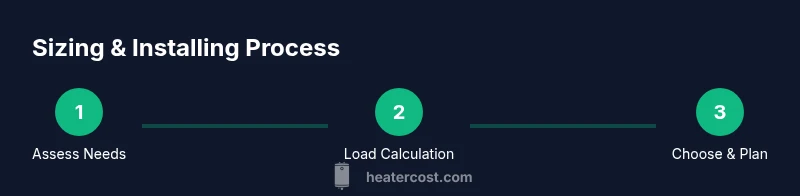
Sizing a heater to heat the whole house means estimating the building’s heat load—the amount of heat needed to maintain comfort in the coldest conditions. Professionals use detailed calculations (Manual J is common in the United States) to account for wall and attic insulation, window quality, air leakage, occupancy, and climate zone. As a homeowner, you can start with rough estimates based on square footage and climate, but planning should culminate in a professional load calculation. An undersized unit will struggle on cold days; an oversized unit wastes energy and shortens equipment life. The goal is a system matched to the house, not the biggest unit available.
Energy efficiency and operating costs: what to expect
Efficiency matters more than raw capacity. Look for high-efficiency equipment, reduced energy usage, and smart controls that adjust output to actual demand. AFUE (annual fuel utilization efficiency) for furnaces and boilers, SEER (seasonal energy efficiency ratio) for heat pumps, and HSPF ( heating seasonal performance factor) provide benchmarks, but real-world savings come from proper installation, regular maintenance, and correct sizing. Based on Heater Cost analysis, prudent choices in system type and efficiency can meaningfully reduce annual energy costs, particularly when combined with weatherization and thermostat optimization.
Choosing between gas, electric heat pumps, or boilers
Gas furnaces, electric heat pumps, and boilers each have strengths depending on climate, electricity costs, and home design. Gas furnaces excel in colder climates with fast heating and lower electrical demand. Air source heat pumps now perform well in moderate climates and with newer refrigerants; in very cold weather, some homeowners pair them with a supplemental heat source. Boilers (gas or oil) provide steady, quiet heat and work well with radiant or baseboard setups but may involve higher upfront costs. For whole-house comfort, many households find a heat pump + backup reserve to be a balanced approach, though regional costs and availability matter. Remember to compare installed costs, maintenance needs, and expected life span.
Installation considerations and permits: planning for a safe, compliant install
Professional installation is essential for most whole-house heating systems. A licensed contractor evaluates the existing structure, provides proper venting and combustion air considerations, and ensures code compliance. Permits are common and can affect scheduling and inspection requirements. During planning, discuss ductwork or piping routes, combustion air needs, condensate disposal (for boilers), and electrical service upgrades. Good communication with the installer helps align expectations and reduces post-install surprises while ensuring safety and reliability.
Maintenance and safety: keeping it reliable year after year
Regular maintenance is the backbone of a long-lived, efficient system. Schedule annual inspections for gas or oil-fired equipment and semi-annual checks for heat pumps with heat strips. Replace filters as recommended, inspect ductwork for leaks, and keep vents unobstructed. Safety devices like carbon monoxide detectors and proper venting require attention, especially in older homes. A proactive maintenance plan reduces sudden failures, extends equipment life, and preserves indoor air quality while supporting steady whole-house comfort.
Quick-start planning checklist for homeowners
- Confirm your climate zone and insulation quality are suitable for a central or zoned system.
- Get a professional load calculation to size the unit accurately.
- Compare at least two system types (e.g., heat pump vs furnace) considering climate, fuel costs, and maintenance.
- Assess existing ducts or piping for upgrades and sealing needs.
- Check local permit requirements and energy-efficiency incentives.
- Plan for smart thermostats and zoning controls to optimize comfort and efficiency.
- Establish a maintenance schedule with an approved contractor.
- Set a realistic budget that includes installation, equipment, permits, and potential upgrades.
Common myths and mistakes to avoid
A frequent mistake is overemphasizing initial price without considering long-term costs. Another pitfall is underestimating the importance of proper duct sealing and air leaks, which can undermine performance. Relying on a quick online sizing calculator without a professional load assessment can lead to undersized or oversized equipment. Finally, neglecting upgrades to insulation and sealing before or during installation can limit benefits, making the system seem less effective than expected.
Tools & Materials
- Measuring tape(to document room dimensions and ceiling heights)
- Notepad and pen(for note taking and a quick load checklist)
- Digital camera or smartphone(to photograph existing ductwork or radiators)
- Infrared thermometer(for quick heat loss checks and comfort verification)
- Weather-stripping/sealant kit(helps improve efficiency before or during installation)
- Load estimation calculator or app(use for rough sizing before professional assessment)
- Flashlight or headlamp(for accessing attics, basements, and crawl spaces)
- Safety gear (gloves, goggles)(essential for any installation work)
Steps
Estimated time: 2-6 weeks
- 1
Assess current home and goals
Survey insulation, air leaks, windows, and the current heating system. Define comfort goals, such as uniform temperatures or zoned control in living areas. This baseline informs your system type and sizing strategy.
Tip: Document weak points with photos and notes to discuss with a contractor. - 2
Obtain a formal load calculation
Hire a professional to perform a Manual J load calculation or equivalent. This ensures the chosen system size is appropriate for the coldest design day and real house conditions.
Tip: Ask the contractor to show how they derived the required heating capacity. - 3
Compare system options
Evaluate central systems (furnace/boiler), air-source heat pumps, and any boilers or radiant options. Consider climate, energy costs, and maintenance needs.
Tip: Create a simple pros/cons matrix for fuel type, efficiency, and installation cost. - 4
Plan distribution and zoning
Decide whether to pursue a single-zone layout or multiple zones with dampers, thermostats, and smart controls. Proper zoning improves comfort and can cut energy use.
Tip: Ensure ductwork or piping can be updated to support zoning without leaks. - 5
Check permits and incentives
Contact your local building department to learn permit requirements. Look for energy-efficiency rebates or tax credits that apply to your installation.
Tip: Ask the installer to manage permit submissions to streamline the process. - 6
Request formal quotes
Get detailed proposals from at least two licensed contractors, including equipment specs, installation steps, and timelines.
Tip: Clarify warranty terms and service plans before signing. - 7
Plan for installation and timelines
Coordinate project scheduling around weather and occupancy. Expect temporary disruptions but aim for a defined start and finish date.
Tip: Ask about temporary heating options during the install if needed. - 8
Set up maintenance and safety routines
Establish a seasonal inspection, filter changes, and safety checks such as CO detector tests and vent inspections.
Tip: Create a yearly calendar with reminders for service visits.
Got Questions?
What is the best heater for a whole-house system?
There isn’t a single best heater; the right choice depends on climate, house design, and energy costs. A licensed pro can recommend central or zoned options that fit your home and budget.
There isn’t a single best heater—choices depend on your climate and home. A professional can help pick central or zoned options that fit your budget and comfort needs.
How do I calculate my home’s heat load?
A professional uses a load calculation (often Manual J) that accounts for insulation, air leakage, windows, occupancy, and climate. This ensures proper sizing.
A professional uses a formal load calculation to size the system correctly based on insulation, leaks, windows, and climate.
Can I install a whole-house heater myself?
Most whole-house heating systems require a licensed installer due to safety, venting, and code compliance. DIY installation is discouraged for gas, oil, and complex systems.
Most homeowners should not install these systems themselves because of safety and code requirements; use a licensed installer.
What permits are typically required?
Local jurisdictions usually require permits for new heating equipment and venting work. A contractor can handle permit submissions and inspections.
Permits are commonly required for new heating equipment and venting; your installer will handle this.
How often should I service a whole-house system?
Plan annual professional inspections, with filters changed per manufacturer guidance. Regular maintenance prevents failures and maintains efficiency.
Have a professional inspect yearly and replace filters as recommended to keep the system reliable and efficient.
Watch Video
The Essentials
- Size based on heat load, not room count.
- Compare central and zoned options for consistent comfort.
- Account for insulation and sealing to maximize efficiency.
- Plan permits and maintenance early for a smooth install.